

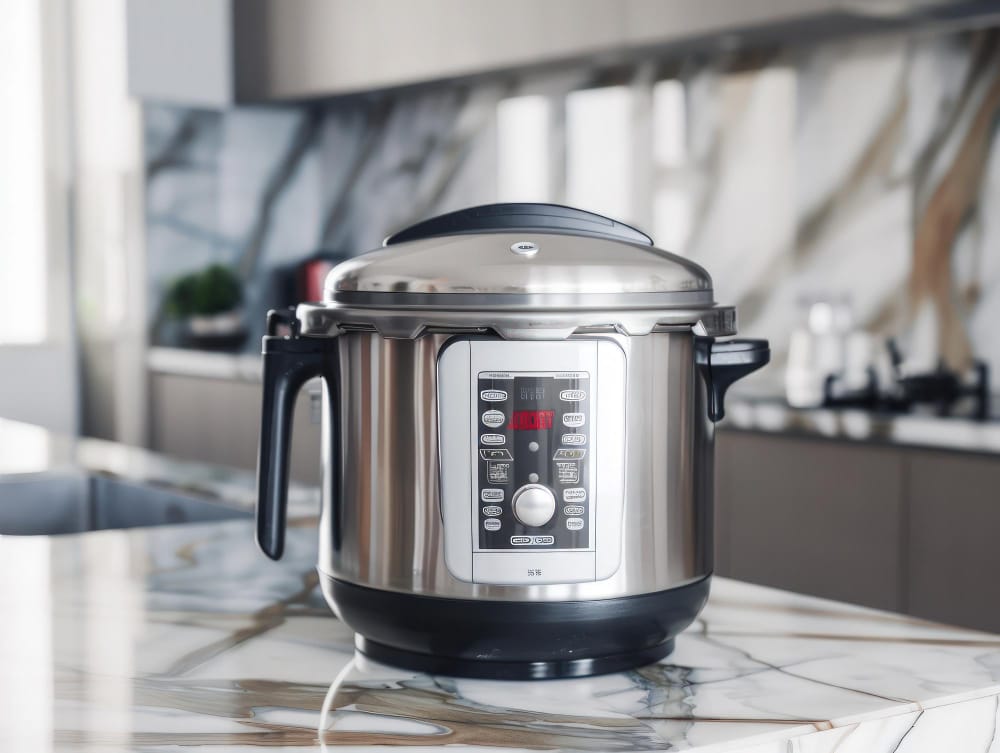
If you or someone in your family suffered serious burns when a Tristar Power Quick Pot 6-quart electric pressure cooker, model Y6D-36, opened while still pressurized, you may have grounds to pursue a product liability claim. Depending on the circumstances, a lawsuit may seek compensation for medical expenses, lost wages, future treatment, permanent scarring, pain and suffering, and other losses caused by the incident.
At Phillips Law Offices, we understand how a defective kitchen appliance can turn an ordinary meal preparation into a serious medical emergency. A pressure cooker is supposed to contain hot liquids and steam safely during operation. When a lid opens unexpectedly while pressure remains inside, boiling food and liquid can escape with considerable force, potentially causing severe burns to the person using the appliance and anyone nearby.
The U.S. Consumer Product Safety Commission (CPSC) has issued a safety warning concerning the Power Quick Pot 6-quart pressure cooker, model Y6D-36, over reports of hot contents being expelled and resulting burn injuries. Consumers who own the affected model should take the warning seriously and stop using the appliance as directed by the agency.
Our team at Phillips Law Offices helps injured people understand their legal options after preventable accidents. If a Power Quick Pot pressure cooker caused your injuries, we can review the circumstances, explain the product liability issues that may apply, and discuss whether you may have grounds for a claim under Illinois law or another state’s applicable law.
What Is the Power Quick Pot Pressure Cooker Safety Warning?
The Power Quick Pot is an electric pressure cooker designed to prepare meals using heat and trapped steam. Its sealed cooking chamber allows pressure to build inside the appliance, reducing cooking time. Because the contents can remain extremely hot while pressure is present, the lid and pressure-release mechanisms play an important role in safe operation.
The CPSC warning identifies the Power Quick Pot 6-quart electric pressure cooker, model Y6D-36, as the affected product. According to the agency’s published warning, the lid may open while the cooker remains pressurized, allowing hot contents to escape unexpectedly.
The agency reported receiving 24 reports involving the expulsion of hot contents and serious burn injuries. Approximately 393,000 units were reportedly sold through online retailers, including Walmart.com, Amazon.com and eBay, as well as other retailers nationwide. Reported sales occurred from approximately July 2018 through November 2023, with prices ranging from $44 to $160.
The CPSC identified Tristar Products, Inc., of Altamonte Springs, Florida, as the importer and stated that the company had not agreed to recall the affected product or provide a consumer remedy at the time of the warning.
A safety warning is not the same as a formal product recall. Nevertheless, the reported hazard raises important questions about pressure cooker safety, product design, warnings, and the responsibilities of companies that manufacture, import and distribute consumer appliances.
Anyone who owns the affected model should consult the CPSC’s Power Quick Pot safety warning for the agency’s instructions.
How to Identify the Affected Power Quick Pot Model Y6D-36
Before determining whether a pressure cooker is covered by the warning, check the appliance’s identification label. The affected product is specifically identified as the 6-quart Power Quick Pot, model Y6D-36.
The cooker has a stainless-steel body, a black pressure lid, button controls and a digital display for temperature and cooking functions. The Power Quick Pot name appears on the front of the appliance, while the model number can be found on a label on the back.
To check your appliance:
- Stop using the cooker while you verify its model.
- Locate the identification label on the back of the unit.
- Check whether the model number reads Y6D-36.
- Compare the product information with the CPSC warning.
- Follow the agency’s safety instructions for the affected appliance.
If the model number matches, do not continue cooking with the pressure cooker. Do not sell it, give it away or allow another person to use it.
If the appliance caused an injury, however, consider speaking with a product liability attorney before disposing of it. The cooker may contain physical evidence that helps investigators evaluate the failure. Keep it unplugged and safely secured, and ask an attorney how to preserve it without exposing anyone to further risk.
Why a Pressure Cooker That Opens Under Pressure Can Cause Severe Burns
Electric pressure cookers rely on a sealed cooking chamber to contain steam and hot food during operation. Under pressure, water can reach temperatures above its normal boiling point at atmospheric pressure. When a lid opens unexpectedly before the pressure has been safely released, hot liquid, steam and food may escape rapidly.
This type of failure can expose a person to several sources of injury at once. Boiling liquid may splash onto the skin, steam can cause thermal injuries, and hot food can remain in contact with the body long enough to deepen a burn.
The location and severity of the injury often depend on where the person is standing, the contents of the cooker, the temperature of the material released and how long the hot substance remains against the skin. The face, neck, chest, arms and hands may be exposed when someone stands over the appliance or reaches toward its lid.
Some burns can be treated with routine medical care, while more serious injuries may require emergency treatment, hospitalization, specialized wound care, surgery or skin grafts. Deep burns can also lead to permanent scarring, restricted movement, nerve damage and emotional distress.
The consequences may extend beyond the initial injury. A person with extensive burns might miss work, require assistance with daily activities, undergo repeated medical procedures or experience lasting changes in appearance. Children and other vulnerable household members may face particular difficulties when a burn affects sensitive areas of the body.
A pressure cooker should be used according to its instructions, but consumers also reasonably expect its safety mechanisms to function as intended. When a product fails during ordinary or reasonably foreseeable use, the circumstances may warrant an investigation into whether a defect contributed to the injury.
Can You File a Power Quick Pot Burn Lawsuit?
You may be able to pursue a Power Quick Pot burn lawsuit if a product defect caused or contributed to your injuries. Whether a claim is viable depends on the available evidence, the cause of the incident, the applicable law and other case-specific factors.
A product liability claim may involve one or more legal theories.
Design Defect
A design defect claim examines whether the product’s design created an unreasonable safety risk. In a pressure cooker case, an investigation may consider the lid assembly, pressure-locking system, pressure-release controls and safeguards intended to prevent opening while pressure remains inside the cooking chamber.
Engineers and other qualified experts may examine whether a safer, practical design could have reduced the risk of the failure. The relevant legal test depends on the law governing the claim.
Manufacturing Defect
A manufacturing defect claim focuses on whether an individual unit departed from its intended design or manufacturing specifications. For example, investigators may examine whether a locking component, seal, valve or other part was improperly assembled, damaged or manufactured outside the required specifications.
Not every pressure cooker failure establishes a manufacturing defect. The physical condition of the appliance, its maintenance history and the circumstances of the incident can all matter.
Failure to Warn or Inadequate Instructions
Manufacturers and other potentially responsible companies may face claims when inadequate warnings or instructions fail to communicate a foreseeable risk. An investigation may examine whether the product’s instructions adequately explained pressure-release procedures, safe lid operation, maintenance requirements and circumstances in which the lid should not be opened.
The question is not simply whether a manual contained warnings. It is whether the warnings and instructions met the applicable legal requirements and whether an alleged deficiency contributed to the injury.
Negligence and Other Product Liability Theories
Depending on the evidence, a claim may also involve negligence or other recognized legal theories. Potential questions include whether a company exercised reasonable care in designing, testing, manufacturing, inspecting, importing or distributing the cooker.
The availability of each claim depends on the facts and applicable law. A product liability attorney can assess which theories are supported by the evidence rather than assuming that every case involves the same defect.
Who May Be Liable for Power Quick Pot Pressure Cooker Burns?
A product liability investigation may identify several companies or parties whose conduct or role in the product’s distribution deserves examination. The CPSC’s identification of Tristar Products, Inc., as the importer is relevant information, but it does not automatically establish legal liability for a particular injury.
Potentially responsible parties may include:
- The manufacturer: The company that designed or manufactured the pressure cooker may be examined for potential design, manufacturing or warning defects.
- The importer: A company that brings a product into the United States may be relevant to an investigation, depending on its role and the applicable law.
- Distributors and suppliers: Businesses involved in moving the appliance through the supply chain may need to be identified.
- Retailers and sellers: The company that sold the cooker may be relevant to a claim, depending on the facts and the governing product liability rules.
- Other responsible parties: Additional entities may warrant investigation if their conduct contributed to the incident.
Identifying the correct parties can require purchase records, product labels, manufacturing information, technical inspections and other evidence. When a product was manufactured overseas, additional questions may arise concerning jurisdiction, service of legal documents and the practicalities of pursuing a claim.
At Phillips Law Offices, we can evaluate the available information and explain which parties may need to be considered in a product liability investigation.
What Compensation May Be Available After a Power Quick Pot Burn Injury?
The financial and personal effects of a serious burn can continue long after the initial emergency. A person considering a Power Quick Pot burn claim may be able to seek compensation for legally recognized losses supported by the evidence.
Medical Expenses and Future Treatment
Compensation may include reasonable medical expenses associated with the injury. Depending on the circumstances, these may involve ambulance transportation, emergency room care, hospitalization, burn treatment, medications, wound dressings, specialist appointments, surgery, skin grafts, rehabilitation and follow-up care.
Some burn injuries require treatment for months or years. Future medical expenses may therefore be an important part of a claim when supported by appropriate medical evidence.
Lost Wages and Reduced Earning Capacity
Serious burns can prevent a person from returning to work immediately. Some injuries may also interfere with a person’s ability to perform the same job over the long term.
A claim may include lost wages and, when supported by the facts, reduced future earning capacity. Employment records, wage statements, medical restrictions and other documentation can help establish these losses.
Pain and Suffering
Burn injuries can involve significant pain during initial treatment and recovery. Repeated wound care, surgery and rehabilitation may create additional physical discomfort.
Where permitted by applicable law, compensation may account for physical pain and the broader effects of the injury on daily life.
Permanent Scarring and Disfigurement
Burns may leave lasting scars, changes in skin texture or color, and other visible effects. Some injuries may require scar management or reconstructive procedures.
When supported by the evidence and permitted by law, a claim may seek compensation for permanent scarring, disfigurement and the impact these changes have on a person’s life.
Emotional Distress and Loss of Enjoyment of Life
A serious burn can affect confidence, sleep, relationships, family activities and social participation. Some people experience lasting anxiety or emotional distress following a traumatic appliance failure.
Depending on the applicable law and evidence, these effects may be considered when evaluating damages.
Claims Involving Injured Children
When a child suffers burns from a defective pressure cooker, the family may face medical expenses, time away from work and concerns about the child’s recovery and long-term well-being.
A parent or legal guardian can seek advice about the child’s potential claim and any separate rights the parent may have. Special rules may govern settlements, limitation periods and the handling of compensation for minors.
No particular settlement or recovery is guaranteed. The value of a claim depends on factors such as the severity of the injuries, medical prognosis, financial losses, evidence of a defect, liability issues and applicable law.
What to Do If a Power Quick Pot Pressure Cooker Burns You
The steps you take after a pressure cooker failure can help protect your health and preserve evidence relevant to a potential claim.
1. Seek Medical Attention Immediately
Your health should come first. Serious burns require prompt medical evaluation, and some injuries may be more severe than they initially appear. Follow the instructions of qualified medical professionals and attend recommended follow-up appointments.
Keep copies of medical records, discharge instructions, prescriptions and bills related to the incident.
2. Stop Using the Affected Cooker
Follow the CPSC’s instructions to stop using the affected model. Do not attempt to test the locking mechanism, recreate the failure or operate the cooker to see whether the problem happens again.
If the appliance is involved in an injury claim, keep it unplugged and secured away from children and other household members.
3. Preserve the Pressure Cooker When Safe to Do So
The cooker may help establish what happened. Its lid, locking components, valves, seals and other parts could be relevant to a technical inspection.
If you were injured, ask an attorney about preserving the product before disposing of it. Do not compromise your safety to retrieve or store an appliance that remains hot, pressurized or otherwise hazardous.
4. Photograph Your Injuries and the Appliance
Photographs can document the condition of the product and the progression of visible injuries. If it is safe, take pictures of the model number, product label, lid, controls and surrounding area.
Photograph injuries over time when appropriate, while following your healthcare provider’s guidance. Avoid altering or repairing the appliance before an inspection.
5. Gather Purchase and Product Records
Keep any order confirmations, receipts, emails, manuals, packaging and warranty information you still have. If the cooker was purchased online or received as a gift, account records or messages may help establish where it came from.
You do not necessarily need to have every original document before seeking legal advice. An attorney can help identify which records may be available and relevant.
6. Document Expenses and Time Away From Work
Save medical bills, prescription receipts, travel expenses related to treatment and employment records showing missed work. If your injuries affect your ability to perform your job, keep relevant medical restrictions and communications with your employer.
These records may help establish the financial impact of the incident.
7. Report the Incident to the CPSC
Consumers can report product safety incidents through SaferProducts.gov. Include accurate information about the product, the incident and any resulting injuries.
A report does not replace medical care or a legal claim, but it can provide the agency with information about an alleged product hazard.
8. Obtain Legal Advice Before Making Important Decisions
You may be contacted by a retailer, manufacturer, insurer or another company after an incident. Before making detailed statements, signing a release or accepting a proposed settlement, consider obtaining independent legal advice.
A lawyer can help you understand the potential consequences of those decisions and determine what evidence should be preserved.
Power Quick Pot Burn Lawsuits and Illinois Product Liability Law
Phillips Law Offices is based in Chicago and represents injured people in personal injury matters. If a Power Quick Pot pressure cooker caused a burn injury in Illinois, the potential claim may involve Illinois product liability law, including questions about defective design, manufacturing, warnings and the responsibilities of parties in the product’s distribution chain.
The legal analysis may also depend on where the injury occurred, where the product was purchased, which companies were involved and other facts affecting the applicable law. A product bought in Illinois and an injury suffered in another state may raise different legal questions from an incident that occurred entirely in Illinois.
The existence of a CPSC safety warning can be relevant background for an investigation, but it does not by itself prove that a particular cooker was defective or establish that a particular company is legally responsible. The evidence concerning the individual incident remains important.
How Long Do You Have to File a Power Quick Pot Lawsuit in Illinois?
There is no single deadline that can safely be assumed to apply to every pressure cooker injury claim. Illinois law generally provides a two-year limitations period for many personal injury actions, but product liability cases can involve additional rules, including statutes of repose, exceptions and questions about which state’s law applies.
The date of injury, the age of the injured person, the identity of the defendant and other circumstances may affect the applicable deadline. Waiting can also make it harder to locate witnesses, obtain records or preserve the product in its original condition.
If you or a family member suffered a Power Quick Pot burn injury, seek legal advice promptly so the deadlines applicable to your circumstances can be evaluated.
How Phillips Law Offices Can Help With a Pressure Cooker Burn Claim
A serious burn injury can leave a person dealing with medical treatment, lost income, uncertainty about recovery and questions about how the appliance failed. A product liability investigation can help clarify the circumstances and identify potential legal options.
At Phillips Law Offices, we can review the available facts, including the model number, purchase history, injury records and circumstances surrounding the lid opening. Depending on the case, an investigation may involve obtaining product documentation, reviewing relevant safety information, preserving the appliance and consulting qualified experts.
We can also evaluate the potential financial effects of the injury, including past medical expenses, future treatment needs, missed work, scarring and other losses recognized by the applicable law.
Every case requires an individual assessment. We do not assume that the safety warning establishes liability in every incident, and we cannot promise a particular settlement or verdict. Our goal is to help injured people understand their rights and make informed decisions about their next steps.
Frequently Asked Questions About Power Quick Pot Burn Lawsuits
Is the Power Quick Pot model Y6D-36 subject to a safety warning?
Yes. The CPSC has issued a warning concerning the 6-quart Power Quick Pot electric pressure cooker, model Y6D-36. The agency reported that the lid may open while the cooker remains pressurized, causing hot contents to escape. Consumers should consult the official warning and follow its instructions.
Has the Power Quick Pot been recalled?
The cited CPSC warning states that Tristar Products, Inc., declined to recall the affected cookers or offer a remedy at the time of the warning. A safety warning and a formal recall are different actions. Check the official CPSC notice for the agency’s current information.
Can I file a lawsuit if there was no formal recall?
A formal recall is not necessarily required to pursue a product liability claim. Whether you have a viable claim depends on the evidence, the cause of the injury and the applicable law. A lawyer can assess whether a defect or another legally actionable issue may have contributed to the incident.
What if my Power Quick Pot exploded or sprayed hot food but I was not hospitalized?
You may still wish to seek medical advice and obtain a legal assessment. The severity of an injury, its treatment requirements and the evidence of a product defect all matter. A hospital admission is not the sole factor that determines whether a claim may be possible.
What if I no longer have the pressure cooker?
Losing or disposing of the cooker does not automatically prevent you from exploring a claim. Photographs, purchase records, product labels, medical records, witness accounts and other evidence may still help establish what happened. The absence of the product can make some aspects of an investigation more difficult, so explain what evidence remains when you speak with an attorney.
What if I followed the instructions but the lid still opened?
If you used the appliance according to its instructions and the lid opened while pressure remained inside, explain those circumstances to your attorney. The product’s condition, the sequence of events, the pressure-release process and other facts will need to be examined before anyone can determine whether a defect contributed to the injury.
Can I bring a claim if I bought the cooker secondhand or received it as a gift?
Possibly. The original purchase receipt may be useful, but its absence does not necessarily end the inquiry. The model number, ownership history, product condition and circumstances of the injury may help an attorney determine what options are available.
How much is a Power Quick Pot burn lawsuit worth?
There is no standard settlement amount that applies to every case. Relevant factors may include burn severity, treatment costs, permanent scarring, future medical needs, lost earnings, pain and suffering, evidence of a defect and the strength of the liability case. Any estimate should be based on the facts of the individual claim.
Can Phillips Law Offices help if the injury happened outside Chicago?
The location of the injury and the law that applies will affect whether and how the firm can assist. Contact Phillips Law Offices to discuss where the incident occurred and whether the firm can evaluate the matter or help identify appropriate next steps.
What should I do with the cooker if the CPSC says to dispose of it?
Follow the agency’s safety instructions and do not use or give away the affected appliance. If it caused an injury, contact a product liability attorney promptly to discuss safe evidence preservation before disposing of it, when feasible. Do not place yourself or anyone else at risk to preserve the product.
Contact Phillips Law Offices About a Power Quick Pot Burn Injury
A pressure cooker should help make meal preparation easier, not expose a family to unexpected boiling liquid and serious burns. When the lid of a Power Quick Pot model Y6D-36 opens while the appliance remains pressurized, the resulting injuries can affect a person’s health, work, finances and quality of life.
If you or a loved one suffered burns involving this pressure cooker, Phillips Law Offices can review the circumstances and discuss your potential legal options. We can help you understand the issues that may matter in a product liability investigation, the evidence that could support your claim and the deadlines that may apply.
Contact Phillips Law Offices in Chicago, Illinois, to discuss a potential pressure cooker burn claim and learn whether legal action may be appropriate for your situation