
Traumatic Brain Injury (TBI) happens when a sudden blow or jolt to the head causes damage to the brain. It can be mild, like a concussion, or more serious, causing lasting damage to brain function. People may experience TBI from car accidents, falls, or sports injuries. Even though the skull is strong, it doesn’t always protect the brain from the force of an impact, which can disrupt normal brain function.
Cognitive functions refer to our brain’s ability to think, remember, and learn. After a TBI, these functions may be impaired. People often struggle with attention, problem-solving, and decision-making. The extent of the impact on cognition varies depending on the severity of the injury. While some recover over time, others may face long-term difficulties, making it hard to complete daily tasks or return to work or school.
One of the most common cognitive issues after TBI is memory loss. This can include difficulty forming new memories or remembering past events. Memory problems may be temporary or long-lasting, depending on the injury’s severity. They can interfere with daily life, making it hard to remember appointments, conversations, or even names of familiar people. Understanding how TBI affects memory is key to finding ways to cope and improve.
Understanding Traumatic Brain Injury (TBI)
What is TBI and Types of TBI (Mild, Moderate, Severe)
TBI is classified into three types: mild, moderate, and severe. A mild TBI, often called a concussion, may cause temporary confusion or headaches but usually clears up in a short time. Moderate TBI may involve loss of consciousness and more noticeable symptoms that last longer. Severe TBI can cause permanent brain damage, leading to significant changes in a person’s abilities and quality of life. The type of injury depends on the force of impact and how the brain responds.
Common Causes of TBI (Accidents, Sports Injuries, Falls, etc.)
TBI can happen in many situations. Car accidents, falls, and sports injuries are among the most common causes. In sports, particularly contact sports like football or boxing, players are at risk of TBI due to repeated blows to the head. Even a simple slip and fall can result in a brain injury, especially for older adults. Violent incidents, such as physical assaults, can also lead to TBI.
How TBI Impacts Brain Function
When the brain is injured, its ability to perform basic functions is compromised. Depending on where the damage occurs, the effects can vary. For example, if the injury is in the frontal lobe, it may affect a person’s ability to plan, organize, or control impulses. Damage to the temporal lobe may result in memory loss. The impact on brain function can range from mild to severe, affecting everything from language and movement to memory and emotions.
How the Brain Processes Memory
Memory Types: Short-Term vs. Long-Term Memory
Memory is divided into short-term and long-term. Short-term memory helps you hold onto information for a brief period, like remembering a phone number long enough to dial it. Long-term memory stores information for extended periods, from days to a lifetime, such as remembering important life events. Both types are essential for daily functioning, and when disrupted, it can make even simple tasks challenging.
The Role of Different Brain Areas in Memory (Hippocampus, Prefrontal Cortex, etc.)
Several brain regions are involved in memory processing. The hippocampus is responsible for forming new memories and connecting them to emotions. The prefrontal cortex is involved in working memory, which allows us to use and manipulate information temporarily. The amygdala helps attach emotional significance to memories. When any of these areas are injured, memory processing can be impaired, leading to forgetfulness or memory gaps.
How TBI Disrupts Memory Processing
After a TBI, the pathways that help process memory can be damaged, making it hard for the brain to store or recall information. This disruption may cause short-term memory problems, like forgetting recent conversations or where you placed your keys. In severe cases, TBI may even erase long-term memories or make it impossible to form new ones, leading to frustration and confusion.
The Relationship Between TBI and Memory Loss
Why Memory is Vulnerable After TBI
The brain’s memory centers, like the hippocampus, are especially sensitive to injury. When these areas are damaged in a TBI, it becomes difficult for the brain to process and store new information. This makes memory one of the most commonly affected cognitive functions. Even mild TBI can cause temporary memory issues, while more severe injuries can lead to permanent memory loss.
Short-Term Memory Loss vs. Long-Term Memory Loss After TBI
Short-term memory loss means you may forget things that just happened, like a conversation from a few minutes ago. Long-term memory loss affects memories from the past, such as important life events or facts you’ve known for years. In TBI, both types can be impacted. For example, someone might not remember what they had for breakfast but still recall events from years ago—or vice versa, depending on the severity and location of the brain injury.
Memory Gaps: What Happens When You Can’t Remember?
Memory gaps are common after TBI. A person might experience blank spots in their memory where they simply can’t recall certain events or information. This can be frustrating and disorienting, especially when others mention things that the person doesn’t remember. These gaps can affect relationships, work, and daily life, making it essential to seek strategies for managing memory loss.
Types of Memory Problems After TBI
Anterograde Amnesia: Difficulty Forming New Memories
Anterograde amnesia is a condition where a person cannot form new memories after a TBI. They may remember everything before the injury but have trouble retaining information about recent events. This makes it hard to learn new things, follow conversations, or remember daily activities. In some cases, this memory loss may be temporary, while in others, it could last longer.
Retrograde Amnesia: Loss of Existing Memories
Retrograde amnesia involves losing memories from before the injury. People may forget details from their past, like important life events, personal experiences, or even the names of loved ones. Depending on the severity of the TBI, retrograde amnesia can affect memories from a few days or months before the injury—or, in extreme cases, memories from years ago.
Working Memory Deficits: Challenges with Immediate Information Processing
Working memory allows you to hold and use information briefly, like doing mental math or following instructions. After TBI, working memory can be impaired, making it hard to stay focused or keep track of tasks. People with working memory deficits may struggle to remember simple steps, like what to do next in a recipe, or to complete everyday activities.
Post-Traumatic Amnesia: Disorientation and Memory Gaps After TBI
Post-traumatic amnesia (PTA) is a state of confusion that occurs after a TBI. People with PTA may not know where they are, what time it is, or what happened recently. This condition often involves significant memory gaps, where a person has no recollection of events that occurred during and immediately after the injury. As the brain recovers, memory usually improves, but it may take time.

Signs and Symptoms of Memory Problems After TBI
Difficulty Remembering Conversations or Events
After a TBI, one of the first signs of memory problems is difficulty recalling recent conversations or events. A person may forget parts of a discussion or not remember having the conversation at all. This can be frustrating, both for the individual and those around them, leading to misunderstandings and repeated information. Over time, this symptom may improve with therapy, but in severe cases, it might persist.
Forgetfulness in Daily Tasks
People with memory issues after TBI may find themselves forgetting daily tasks, like taking medication, attending appointments, or completing household chores. They might walk into a room and forget why they went there or leave important items, like keys or wallets, behind. This forgetfulness can interfere with daily life and may require extra reminders or organizational tools to manage.
Trouble Learning New Information
Learning new information, such as remembering a new phone number or someone’s name, can become difficult after a TBI. The brain may struggle to process and store new memories, making it hard for the person to retain recently acquired knowledge. This challenge can affect work, school, and social interactions, as they may find it hard to adapt to new information or instructions.
Challenges with Concentration and Focus
Memory problems often go hand-in-hand with difficulties in concentration. A person recovering from a TBI may find it hard to focus on tasks, making it difficult to remember details. They might get distracted easily or lose track of conversations. These focus issues can further worsen memory problems, as attention is crucial for forming and recalling memories.
Factors That Influence Memory Problems After TBI
Severity and Location of Brain Injury
The severity of a TBI plays a significant role in the extent of memory problems. A mild concussion may cause temporary memory lapses, while severe injuries can result in lasting memory deficits. The location of the injury also matters; damage to areas like the hippocampus or frontal lobe, which are important for memory processing, tends to have a more profound effect on memory function.
Time Since the Injury Occurred
Time is an important factor in recovery from memory problems after TBI. In many cases, memory improves as the brain heals. During the first few weeks or months after the injury, memory issues may be more pronounced, but they can gradually improve with rehabilitation. However, in some cases, the longer it has been since the injury without improvement, the less likely full recovery may be.
Age, Overall Health, and Pre-existing Conditions
A person’s age and overall health can influence how well they recover from memory problems after TBI. Younger individuals may experience faster recovery due to the brain’s natural plasticity, while older adults may take longer. Pre-existing conditions like dementia, anxiety, or depression can also worsen memory problems after an injury, complicating the recovery process.
Emotional and Psychological Factors (Stress, Anxiety, Depression)
Emotions can have a big impact on memory. Stress, anxiety, and depression, which are common after a TBI, can further impair memory. These emotional states may make it harder to focus, pay attention, and remember details. Addressing these psychological factors through therapy and stress-management techniques can help improve both emotional well-being and memory function.
Cognitive Changes Beyond Memory Issues
Impact on Attention and Focus
Aside from memory problems, attention and focus are often affected by TBI. People may find it difficult to concentrate on tasks for long periods or to switch their attention between different activities. This lack of focus can compound memory issues, as concentration is key to absorbing new information and retaining it. Reduced attention can interfere with work, school, and even personal relationships.
Problems with Language and Communication
Communication issues are another cognitive change that may occur after TBI. People might struggle to find the right words, form coherent sentences, or follow complex conversations. These language difficulties can make it hard to express thoughts clearly or understand what others are saying, further complicating memory issues. Speech therapy can help address some of these challenges.
Executive Function Deficits (Planning, Organizing, Decision-Making)
Executive functions, like planning, organizing, and making decisions, are often impaired after a TBI. This can make everyday tasks like paying bills, managing a schedule, or making important life decisions more challenging. People may become easily overwhelmed by choices or struggle to organize their thoughts and actions, leading to frustration and decreased independence.
Emotional and Behavioral Effects of Memory Loss After TBI
How Memory Problems Affect Mood and Relationships
Memory problems after TBI can have a significant emotional impact. People may feel embarrassed or frustrated by their inability to remember important details, leading to lowered self-esteem and strained relationships. Forgetting key events or conversations can cause tension with friends and family, who may not fully understand the challenges of memory loss. Emotional support and understanding from loved ones are crucial for coping with these difficulties.
The Link Between Memory Loss and Depression/Anxiety
Memory loss often goes hand-in-hand with depression and anxiety after TBI. People may feel anxious about their cognitive struggles or fear that their memory problems will never improve. Over time, the stress of living with memory loss can lead to depression, as individuals feel isolated or discouraged. Therapy can help manage these emotions and provide coping strategies for dealing with memory issues.
Behavioral Changes: Frustration, Irritability, and Isolation
Memory loss can lead to changes in behavior. People may become easily frustrated or irritable, especially when they struggle to remember simple things. This frustration can sometimes cause them to withdraw from social interactions, isolating themselves to avoid embarrassment or stress. Addressing these behavioral changes through counseling and support groups can help reduce isolation and improve emotional well-being.
Diagnosis of Memory Problems After TBI
Cognitive Assessments and Neurological Exams
Doctors diagnose memory problems after TBI through cognitive assessments and neurological exams. These tests evaluate a person’s memory, attention, problem-solving abilities, and other cognitive functions. By assessing the extent of memory impairment, doctors can determine the best course of treatment and rehabilitation. Regular follow-up exams are often necessary to monitor progress.
Role of Imaging Tests (MRI, CT Scans)
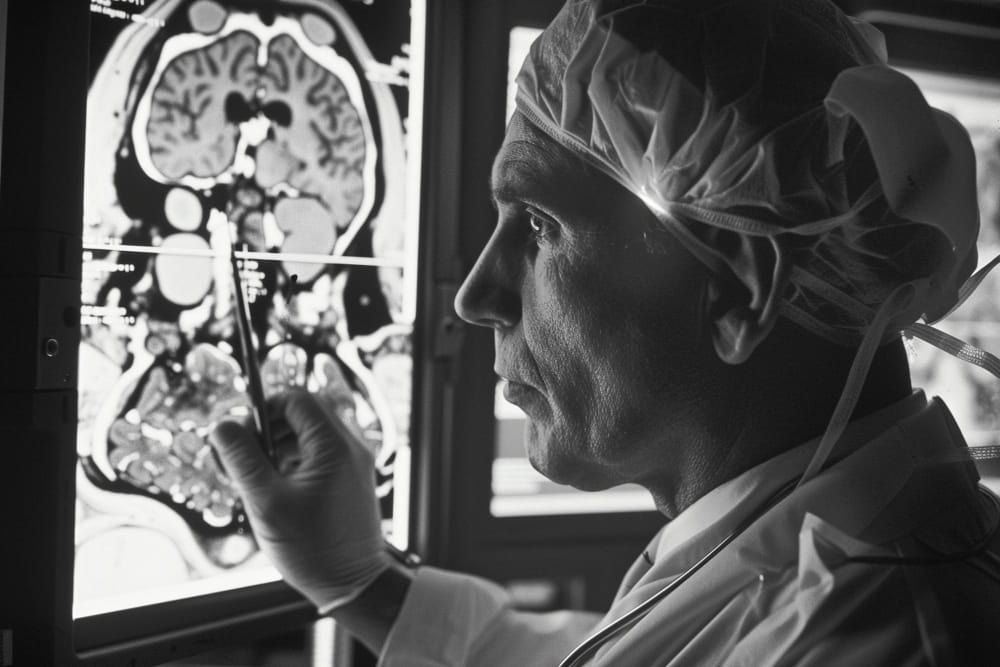
Imaging tests like MRIs and CT scans are used to visualize the brain after a TBI. These scans can show areas of damage, such as swelling or bleeding, that might be affecting memory. While imaging alone can’t fully explain memory problems, it provides valuable information about the location and severity of the brain injury, helping doctors create a tailored treatment plan.
Neuropsychological Testing: Evaluating Memory and Cognitive Function
Neuropsychological testing is a more in-depth evaluation of memory and other cognitive functions. These tests measure a person’s ability to remember information, concentrate, and solve problems. The results can give a clear picture of how TBI has affected cognitive abilities and guide treatment options. Neuropsychological testing is often a key part of developing a comprehensive recovery plan for TBI patients.
Treatment Options for Memory Problems After TBI
Cognitive Rehabilitation Therapy
Cognitive rehabilitation therapy (CRT) is one of the most common treatments for memory problems after a TBI. This therapy focuses on improving cognitive functions through specific exercises that target memory, attention, and problem-solving skills. CRT often involves practicing memory recall, learning strategies to improve organization, and using calendars or notes to aid memory. The goal is to help the brain relearn skills and develop new ways to compensate for any lasting impairments.
Memory Exercises and Brain Training Techniques
Memory exercises and brain training can help improve cognitive function after a TBI. These techniques may include activities like repeating sequences of numbers or words, solving puzzles, or playing memory games. Regular practice helps strengthen the brain’s ability to retain and recall information. There are also many digital tools and apps available that provide structured memory training exercises, which can be done at home as part of a recovery routine.
Medications for Cognitive Support
In some cases, doctors may prescribe medications to support cognitive function after a TBI. While no medication can fully reverse memory loss, certain drugs can help improve focus, attention, and mental clarity. For example, stimulants or cognitive enhancers are sometimes used to boost brain activity. These medications are typically used in combination with other treatments, like cognitive rehabilitation, to enhance overall recovery.
The Role of Technology in Memory Recovery
How Apps and Devices Help With Memory Management
Technology plays an increasingly important role in helping individuals manage memory problems after a TBI. Smartphone apps and devices can serve as digital aids, helping people keep track of appointments, reminders, and daily tasks. For example, calendar apps, alarm systems, and note-taking tools can be used to create routines and keep important information accessible. These tools provide valuable support for memory retention and organization.
Virtual Reality (VR) in Cognitive Rehabilitation
Virtual reality (VR) is emerging as a promising tool in cognitive rehabilitation for TBI patients. VR can simulate real-world environments where individuals practice memory skills in a controlled setting. For example, they might navigate through a virtual grocery store or complete tasks like finding items or recalling shopping lists. These immersive experiences provide engaging ways to strengthen memory and cognitive function.
Digital Aids: Alarms, Reminders, and Note-Taking Tools
In addition to apps, digital aids like alarms, reminders, and note-taking tools help people with memory loss stay on top of daily responsibilities. Alarms can be set to remind someone to take medications or attend appointments. Digital note-taking tools allow people to quickly record important details they might otherwise forget. These aids help create a structured, organized routine that supports memory recovery.
Lifestyle Changes to Support Memory After TBI
The Importance of a Routine for Memory Retention
Establishing a regular daily routine is crucial for individuals with memory problems after a TBI. Repetition and consistency can help reinforce memory retention by reducing the number of new decisions a person has to make each day. This can include setting specific times for meals, exercise, and rest, as well as using reminders to keep track of tasks. A well-structured routine helps reduce confusion and makes it easier to recall important information.
Healthy Diet and Brain Function: Foods That Support Cognitive Health
A balanced, healthy diet plays an essential role in brain function and memory recovery. Certain foods, like those rich in omega-3 fatty acids (such as fish), antioxidants (like berries), and vitamins (such as leafy greens), are known to support cognitive health. Eating a diet that promotes brain health can improve focus, reduce inflammation, and help the brain heal after a TBI, contributing to better memory function over time.
Regular Exercise and Its Benefits for Cognitive Recovery
Regular physical activity is beneficial not only for overall health but also for cognitive recovery after a TBI. Exercise increases blood flow to the brain, promoting the growth of new brain cells and improving mental clarity. Activities like walking, swimming, or yoga can also help reduce stress and anxiety, which are often linked to memory problems. Consistent exercise supports both mental and physical recovery, helping individuals regain focus and cognitive function.
Support for Caregivers and Families
How to Assist Loved Ones With Memory Problems After TBI
Caring for someone with memory problems after a TBI can be challenging, but there are ways to provide meaningful support. Caregivers can help by being patient, offering reminders for daily tasks, and creating a calm, structured environment. Helping a loved one keep track of appointments, medications, and responsibilities can ease their stress and reduce the impact of memory problems. Open communication is key to ensuring that both the caregiver and the individual feel supported.
Tips for Managing Daily Life With Memory Challenges
Managing daily life with memory challenges requires practical strategies. For example, creating a visual schedule or calendar in a central location can help remind the person of important tasks and appointments. Keeping a consistent routine is also helpful, as it reduces the number of new situations that may cause confusion. Simplifying tasks and breaking them down into smaller steps can make them easier to remember and accomplish.
Encouraging Patience and Understanding
Dealing with memory problems after a TBI can be frustrating, both for the person experiencing them and their loved ones. It’s important to encourage patience and understanding. Memory issues are a symptom of the injury, not a reflection of the individual’s capabilities. Offering emotional support, avoiding criticism, and celebrating small successes can help boost the person’s confidence and foster a positive environment for recovery.
Coping Strategies for Individuals With Memory Problems
Developing a Memory Improvement Routine
Creating a memory improvement routine can help individuals manage memory problems after a TBI. This might include practicing memory exercises, setting daily reminders, and using visual aids like lists or calendars. Developing habits that reinforce memory, such as writing things down immediately or repeating information aloud, can also help improve recall over time. A consistent routine provides structure and reduces the likelihood of forgetting important details.
Using Visual and Verbal Cues to Aid Memory
Visual and verbal cues are effective tools for aiding memory. For example, placing sticky notes around the house with reminders or using labeled containers for specific items can help jog memory. Verbal cues, such as repeating instructions out loud or using mnemonic devices, can also reinforce information. These strategies make it easier to recall important details and stay organized throughout the day.
Staying Organized: Notes, Calendars, and Journals
Staying organized is key to managing memory problems. Using notes, calendars, and journals can help keep track of daily activities and reduce the chance of forgetting important tasks. Writing down appointments, to-do lists, and thoughts throughout the day can create a physical record that serves as a memory aid. Digital calendars with reminders can also be useful tools for staying on top of daily responsibilities.
The Role of Therapy in Managing Memory Loss
Cognitive Behavioral Therapy (CBT) for Coping with Memory Issues
Cognitive Behavioral Therapy (CBT) can help individuals cope with the emotional challenges that arise from memory loss after a TBI. CBT focuses on changing negative thought patterns and behaviors that contribute to frustration, anxiety, or depression. By addressing these emotional reactions, individuals can develop healthier coping strategies, reducing the psychological burden of memory problems.
Speech-Language Pathologists and Memory Training
Speech-language pathologists often play a key role in memory rehabilitation after a TBI. They can help individuals improve their memory skills through specific exercises and techniques. These professionals work on enhancing verbal memory, helping the person remember words, names, and conversations. Speech-language therapy also includes strategies for organizing thoughts and improving communication skills, which can support overall memory recovery.
Psychotherapy for Emotional Support After TBI
Memory loss after a TBI can lead to significant emotional distress. Psychotherapy offers emotional support by helping individuals process their feelings, such as frustration, anger, or sadness. Therapists can guide patients in developing coping mechanisms for their memory challenges and provide a safe space to discuss their fears or anxieties. This type of emotional support is crucial for long-term recovery and mental well-being.
When to Seek Professional Help
Recognizing When Memory Issues Are Worsening
It’s important for individuals and their loved ones to recognize when memory problems after a TBI may be getting worse. If memory lapses become more frequent, or if an individual is unable to recall recent events, it may indicate a need for professional evaluation. Sudden changes in behavior, increased confusion, or difficulty with everyday tasks can also signal that it’s time to seek help. Early intervention can lead to better outcomes and help manage symptoms more effectively.
How Memory Loss Can Affect Daily Functioning
Memory loss can significantly impact daily functioning and quality of life. Tasks that once felt routine, such as remembering to take medications, attending appointments, or even following conversations, may become challenging. If memory problems are interfering with the ability to work, socialize, or perform daily activities, it’s crucial to consult a healthcare professional. They can provide appropriate assessments and recommend strategies to manage these difficulties.
The Importance of Regular Checkups With Neurologists
Regular checkups with a neurologist are essential for anyone recovering from a TBI, especially when memory problems are present. Neurologists can assess brain function, track progress, and adjust treatment plans as needed. They can also help identify any underlying issues that may be contributing to memory difficulties. Consistent monitoring ensures that individuals receive the necessary care and support throughout their recovery journey.
How Long Do Memory Problems Last After TBI?
The duration of memory problems after a TBI varies widely from person to person. Some individuals may experience short-term memory issues that improve significantly within weeks or months, while others may face long-lasting challenges. Factors such as the severity of the injury, the area of the brain affected, and the individual’s overall health play a crucial role in recovery. Ongoing therapy and support can help facilitate improvement over time.
Can Memory Fully Recover After TBI?
While some individuals may experience significant improvement in their memory after a TBI, complete recovery is not guaranteed for everyone. The extent of recovery often depends on the severity of the injury and the effectiveness of rehabilitation efforts. Some people may find that they can regain many of their cognitive functions, while others may have persistent memory issues. Continued support and adaptive strategies can help individuals manage their symptoms.
What Are Some Home Remedies for Memory Issues?
Home remedies for memory issues after a TBI include engaging in mental exercises, maintaining a healthy diet, and practicing mindfulness or relaxation techniques. Regular physical activity, sufficient sleep, and social interaction can also support cognitive health. Using calendars and lists can help reinforce memory in daily life. While these strategies can be helpful, they should be used in conjunction with professional medical advice.
Are There Any Supplements That Can Help With Memory Recovery?
Some supplements, such as omega-3 fatty acids, ginkgo biloba, and certain vitamins, are thought to support brain health and memory. However, it’s essential to consult a healthcare professional before starting any supplement regimen, as their effectiveness can vary and interactions with medications may occur. A healthcare provider can offer personalized recommendations based on an individual’s specific needs.
How Can Family Members Help Someone With Memory Problems?
Family members can play a crucial role in supporting a loved one with memory problems after a TBI. They can assist by creating a structured environment, using visual aids for reminders, and being patient when communicating. Encouraging independence while providing support for tasks that are challenging can also help boost confidence. Open and supportive communication fosters a positive atmosphere for recovery.
Contact Our Chicago Traumatic Brain Injury Attorneys Today
If you or someone you care about has experienced a traumatic brain injury (TBI) in Chicago due to someone else’s wrongdoing, it’s crucial to take action. At Phillips Law Offices, our dedicated team Traumatic Brain Injury Attorney is here to help you in this challenging time. We understand the physical, emotional, and financial toll a TBI can take on you and your family.
We offer a no-cost consultation to discuss your situation and explore your legal options. With decades of experience, we know how to fight for your rights and get you the justice you deserve.
Interesting Reads: