

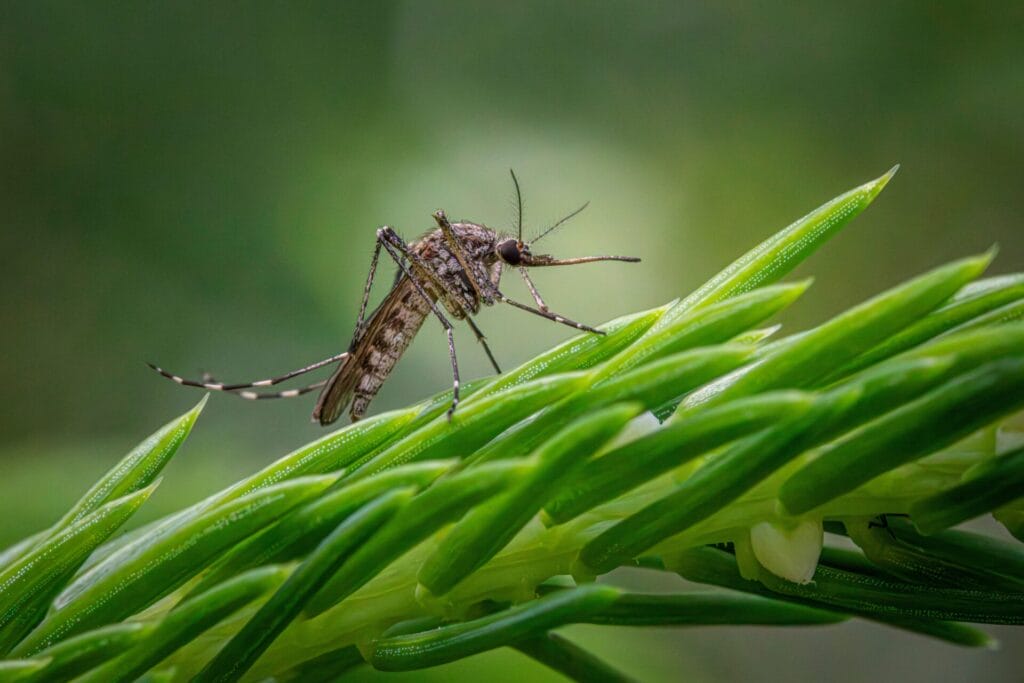
2026 is on pace to be the worst West Nile virus season in the United States in 22 years, and Illinois has confirmed and probable human cases across dozens of counties, including Cook County mosquito activity. While most West Nile infections don’t lead to a lawsuit, property owners who allow standing water to breed mosquitoes on their land can, in some circumstances, be held legally responsible when that negligence contributes to a tenant’s or visitor’s infection.
If you or a family member developed a severe or neuroinvasive West Nile infection and believe a property owner’s neglected standing water contributed to it, call Phillips Law Offices at (312) 346-4262 for a free consultation.
How Bad Is the 2026 West Nile Season?
| Metric | Figure |
|---|---|
| National confirmed cases (as of Aug. 18, 2026) | 222 across 32 states |
| Share of cases that are neuroinvasive | ~71% |
| Comparison | Fastest U.S. spread in over 20 years |
| Illinois counties with confirmed mosquito, horse, or human activity | 50+ counties |
| Illinois 2025 total (for comparison) | 150 human cases, 10 deaths statewide |
| Peak season | Late August through September |
Roughly 71% of this year’s confirmed cases are neuroinvasive, meaning the virus has reached the brain or spinal cord, causing meningitis or encephalitis. That is an unusually high share, and neuroinvasive West Nile disease can be fatal or leave survivors with lasting neurological damage. Culex mosquitoes, which carry the virus, typically peak in late August and September, meaning the most dangerous stretch of the 2026 season may still be ahead.
Symptoms of West Nile Virus
About 80% of people infected with West Nile virus have no symptoms at all. For the roughly 1 in 5 who do, symptoms typically include:
- Fever, headache, and body aches
- Joint pain, vomiting, diarrhea, or rash
In severe, neuroinvasive cases, symptoms can escalate to:
- High fever, neck stiffness, and disorientation
- Tremors, muscle weakness, or paralysis
- Vision loss, numbness, or seizures
- Coma, in the most serious cases
People over 60 and those with weakened immune systems face the highest risk of severe illness. There is no specific antiviral treatment for West Nile virus; care is supportive, and recovery from neuroinvasive disease can take months or result in permanent effects.
When Can a Property Owner Be Held Liable for a West Nile Infection?
West Nile virus is spread exclusively by mosquito bites, so most infections don’t involve any identifiable at-fault party. However, Illinois premises liability law recognizes that property owners have a duty to maintain reasonably safe conditions for tenants, guests, and visitors. A claim may be worth investigating when a property owner:
- Knew about standing water, such as a broken drainage system, uncovered pool, clogged gutters, or discarded containers, and failed to address it
- Ignored repeated tenant complaints about stagnant water or mosquito infestations on the property
- Violated a local ordinance requiring property owners to eliminate mosquito breeding sites
- Managed a large residential complex or commercial property where mosquito breeding conditions were foreseeable and preventable
These cases are more difficult to prove than a typical slip-and-fall claim because you must connect a specific property’s conditions to your specific infection, but they are not impossible, particularly when a property has a documented history of standing water complaints. Our premises liability attorneys evaluate these cases individually based on the property’s maintenance history and local health department records.
What Compensation May Be Available
- Medical expenses, including hospitalization for neuroinvasive disease
- Lost wages during treatment and recovery
- Long-term care costs for lasting neurological effects
- Pain and suffering
- Wrongful death damages for families who lost a loved one to severe West Nile disease
Illinois Deadlines to File a Claim
| Claim Type | Time Limit | Illinois Statute |
|---|---|---|
| Premises liability / negligence | 2 years from the date of injury | 735 ILCS 5/13-202 |
| Wrongful death | 2 years from the date of death | 740 ILCS 180/2 |
| Claims against a government entity | 1 year notice requirement may apply | 745 ILCS 10/8-102 |
Claims involving a municipal mosquito abatement district or other government entity are subject to shorter notice deadlines under the Illinois Local Governmental and Governmental Employees Tort Immunity Act, so it’s important to speak with an attorney quickly if a government agency may be involved.
How to Protect Yourself This Season
- Use EPA-registered insect repellent when outdoors, especially at dawn and dusk
- Eliminate standing water around your own home weekly
- Report neglected standing water on neighboring or rental properties to your local health department
- Wear long sleeves and pants in mosquito-heavy areas
Frequently Asked Questions
Can I sue my landlord if I got West Nile virus at my apartment complex?
It depends on whether the complex had a documented, preventable mosquito breeding problem, such as neglected drainage or a broken pool cover, that the landlord knew about or should have known about and failed to fix. A single mosquito bite alone is not enough to establish liability.
How do I prove where I was bitten?
This is often the hardest part of a West Nile claim. Evidence can include your daily activity patterns, the incubation period of the virus, local mosquito surveillance data, and documentation of the property’s conditions.
What if the government failed to control mosquitoes in my area?
Claims against government mosquito abatement programs are difficult due to governmental immunity protections, but not automatically barred. An attorney can evaluate whether an exception applies.
Talk to an Illinois Premises Liability Lawyer
Phillips Law Offices has represented injury victims across Illinois since 1945. If you or a loved one suffered a severe West Nile virus infection that you believe was linked to a negligently maintained property, call (312) 346-4262 for a free consultation. We work on contingency, you pay nothing unless we win your case.
Related Resources: