

Lift trucks, often called forklifts, play a big part in keeping workplaces like warehouses and factories running smoothly. These machines move supplies, stack goods, and help get products where they need to go each day. Even though lift trucks are helpful, workers and companies must remember that these vehicles can cause serious problems if used the wrong way. Every year, thousands of accidents happen when lift trucks tip over, crash into other objects, or mishandle loads. Understanding how these accidents happen helps everyone stay safer at work.
The danger of lift truck accidents isn’t just about the machines themselves. Poor training, ignoring safety steps, or rushing through a job can all raise the chance of someone getting hurt. For many workers, a single mistake with a lift truck can mean weeks away from work, lasting injuries, or worse. This post takes a simple, clear look at the most common lift truck accidents, explains how and why they happen, and shows ways to prevent harm in the workplace.
Business owners, safety managers, and even new employees benefit from learning about these risks. Paying attention to the sources and types of accidents is a step toward making good choices. A safer workplace starts with the right information, so let’s look closely at what makes lift trucks risky and how everyone can keep themselves and coworkers safe on the job.
What Is the Most Common Type of Lift Truck Accident?
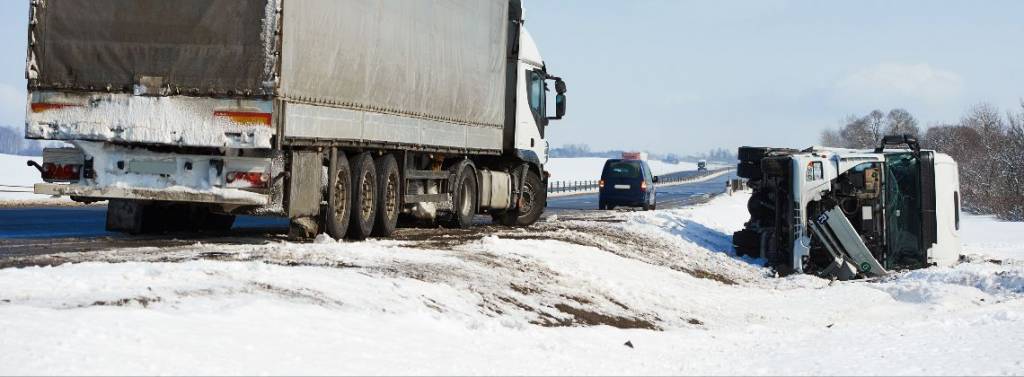
Tip-overs or rollovers stand out as the most common lift truck accident. When a lift truck loses its balance, it can tip onto its side or even roll upside down. These accidents cause most of the serious injuries and deaths linked to lift trucks. About 25% of all forklift accidents are tip-overs. They usually happen when an operator turns too sharply, drives on rough ground, or tries to lift more weight than the truck can handle.
Why do tip-overs happen so often? Lift trucks carry heavy loads and have a high center of gravity. If a driver makes a fast turn or drives with the forks raised, the truck can become unstable. Tip-overs can pin operators under the truck or throw them from the seat. These accidents often hurt not just drivers, but also people working nearby.
Every year, thousands of workers get injured in lift truck accidents. Many of these injuries come from tip-overs, but other accident types follow close behind, such as crashes into people or objects, dropped loads, and falls from the truck. The risk can be high in busy places like warehouses or construction sites, where workers and lift trucks work close together and jobs must be finished quickly. Knowing tip-overs are the biggest hazard gives companies a clear area to focus safety efforts.
Why Are Tip-Overs/Rollovers So Dangerous?
Tip-overs and rollovers are dangerous because of the size and weight of lift trucks. When a truck tips or rolls, that weight comes crashing down quickly. The driver may be stuck under the vehicle or thrown out of the seat, especially if safety belts aren’t used. The most serious injuries, broken bones, crushed arms or legs, or even death, can happen in these accidents.
A tip-over often happens in a blink. Drivers may not have time to react or move away from danger. The truck might tip if the operator lifts a heavy load with the forks raised high or drives on uneven ground. Sharp turns or sudden stops add to the risk. Sometimes, the accident involves not just the driver but also people walking or working close by. A worker in the wrong place can be hit or trapped by the falling truck or cargo.
Lift trucks are powerful machines, but they need proper care and attention. When an operator doesn’t know how the truck will react to a heavy load or a quick movement, mistakes are easy to make. The risk grows if someone is in a hurry or isn’t paying close attention. Clear training, safe driving habits, and well-marked work areas help keep everyone safer from the danger of tip-overs and rollovers.
Leading Causes of Lift Truck Accidents
Several key factors cause lift truck accidents. Operator error, or mistakes made when driving the truck, leads the list. Often, these mistakes happen because the driver wasn’t properly trained, is tired, or didn’t follow safety rules. Inexperienced drivers may misjudge turns, travel too fast, or not secure loads well enough.
Overloading or poor handling of cargo is another cause. When a load is too heavy or not balanced right, the truck can become unstable. Lifting or moving loads on an incline or with the mast tilted can make things worse. Workers should always know the limits of the lift truck they’re using, and companies should post clear signs about load size and weight.
Mechanical problems can also trigger lift truck accidents. Worn parts, faulty brakes, or trouble with hydraulic systems can make a truck harder to control. Regular checks and prompt repairs reduce these risks. Workplace conditions, like uneven floors, cluttered aisles, or poor lighting, can force drivers to make quick decisions that lead to accidents. Busy places or unclear communication raises the chance of someone getting hurt.
Common Injuries in Lift Truck Accidents
Fractures and Broken Bones
A lift truck accident can create powerful force, which can break bones in the arms, legs, ribs, or pelvis. If a worker gets caught between a lift truck and a hard object or is thrown out of the driver’s seat during a tip-over, bones may break in several places. These injuries often take a long time to heal, and some people need surgery or physical therapy before they’re able to work or move well again.
Head Injuries
Lift truck accidents sometimes cause head injuries if a person is hit by falling goods, struck by part of the vehicle, or falls to the ground. A head injury can be very serious even if it looks minor at first. It can cause problems like memory loss, headaches, trouble thinking clearly, or changes in personality. Some head injuries need special care from doctors and can affect a person’s daily life for a long time.
Crush Injuries
Because lift trucks are heavy, they can trap people against walls, floors, or other hard surfaces. If someone is pinned by a lift truck during a rollover or gets caught under a load, crush injuries can happen. This can damage muscles, bones, or internal organs. In some cases, the injury is so bad that a person may lose a finger, toe, or even a limb.
Soft Tissue Injuries
Muscle sprains, strains, and tears are common in lift truck accidents. These injuries may happen if someone reaches to escape a falling load or twists their body the wrong way trying to avoid getting hurt. Sprains and strains can be painful, making it hard for people to use their arms, legs, or back normally. Physical therapy helps some people recover, but others might keep feeling pain for months or longer.
How to Prevent Lift Truck Tip-Overs
Preventing tip-overs takes a few simple steps that every workplace can follow. First, training is crucial. Operators must learn how to drive, turn, and handle loads the right way. Understanding the truck’s center of gravity, speed limits, and proper load balancing is part of good training. Refresher courses help keep skills sharp and remind workers what not to do.
Regular inspections and maintenance also prevent tip-overs. Worn tires, malfunctioning brakes, or issues with steering can make a truck unstable. Companies should set a schedule for checking and fixing lift trucks. Operators should know how to spot and report problems right away.
Clear workspaces keep accidents from happening. Make sure aisles are wide enough, surfaces are smooth, and obstructions are removed. Use signs and barriers where needed. Operators must drive slowly, especially when carrying loads or turning. Using safety equipment, like seat belts, reduces the risk if a tip-over does happen.

What to Do After a Lift Truck Accident
Check for Injuries and Call for Help
Right after a lift truck accident, check if anyone is hurt. If injuries are present, call for medical help right away. If you know first aid, help as much as you can until medical workers arrive. It’s important to stay calm and keep the injured person comfortable without moving them unless it’s absolutely needed for safety.
Secure the Area
Make the accident area safe by keeping other people away. Use cones, tape, or barriers to block off the scene so no one else gets hurt or interferes. Turn off the lift truck and make sure nothing is leaking, spilling, or creating more danger in the area.
Report the Accident
Tell your supervisor or manager about the accident as soon as possible. Give all details you know, including where it happened, when, and who was involved. Being honest and thorough helps the company take the right steps and investigate what went wrong.
Document Everything
Write down what happened before, during, and after the accident. If possible, take photos of the scene, the lift truck, and any damage. Gather names of witnesses and record their statements. Keeping good notes helps with insurance, workplace reviews, and improving future safety.
Legal Rights After Lift Truck Accidents
After a lift truck injury, workers have rights. Most companies must carry insurance that covers workplace injuries. This often means the injured person can get help with medical bills or lost wages. Workers’ compensation is designed to help without long delays or fights.
Sometimes, an accident happens because someone didn’t follow safety rules or keep equipment in good shape. In those cases, the worker may be able to claim additional help through personal injury claims. Legal advice can help sort out these options, especially if the injury is serious and affects future work.
The process starts by reporting the accident quickly and clearly. Workers should keep all records and paperwork about their injury and treatment. Companies must respond fairly and follow rules set by government agencies. If the injury was not the worker’s fault, the law may offer extra support.
Contact Phillips Law Offices For Your Lift Truck Accident Injury Case in Chicago
If you or someone you know was hurt in a lift truck accident in Chicago, Phillips Law Offices is ready to help. Our team listens to your story, explains your rights, and guides you through each step. We care about your recovery and will work hard to get you fair compensation.
Why call Phillips Law Offices?
- Free, friendly consultation about your accident
- Help with medical bills and lost pay
- Experienced lawyers for injury cases in Chicago
- Support every step until your case is settled
Call (312) 346-4262 Phillips Law Offices today to talk about your lift truck accident injury. We are here for you and your family.
Interesting Reads:
Chicago Commercial Truck Accident Lawyer
How Much Are Most Truck Accident Settlements?
Truck Accident Statute of Limitations in Illinois
For legal guidance specific to commercial and semi-truck crashes, visit our Truck Accidents page.