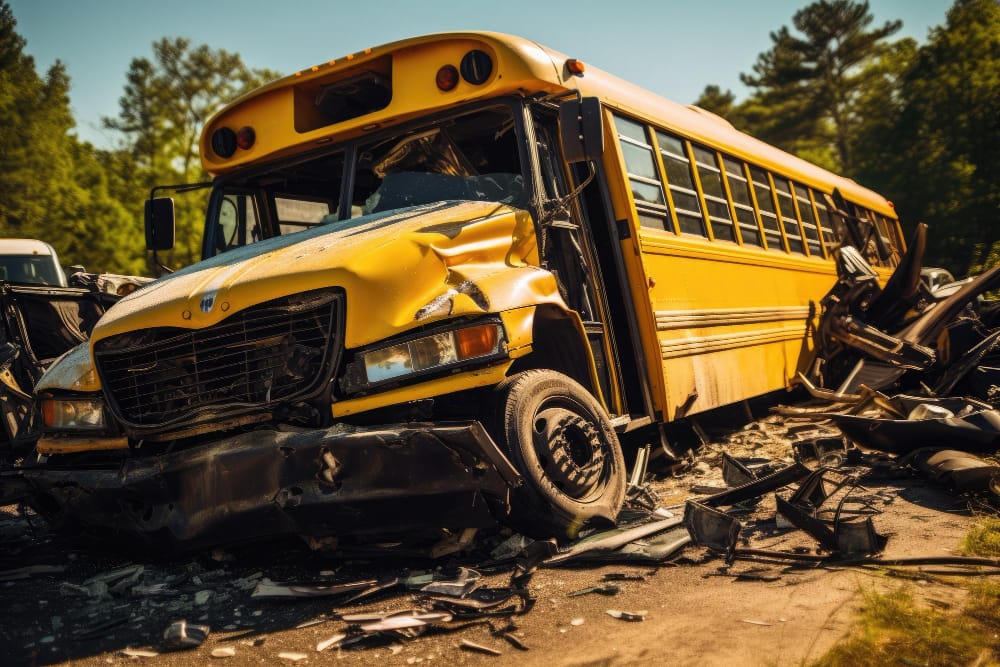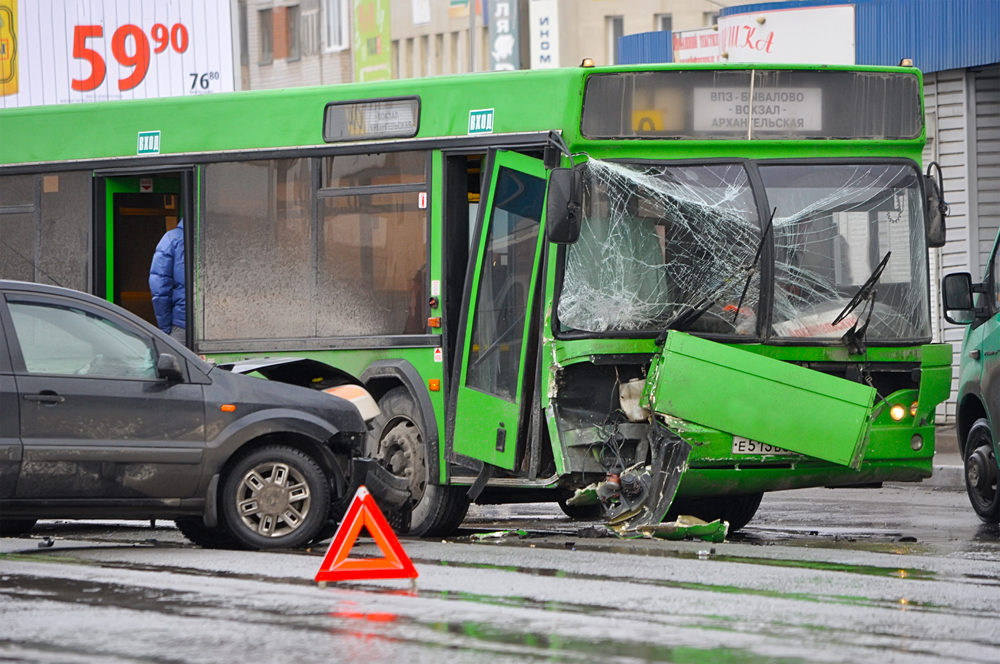

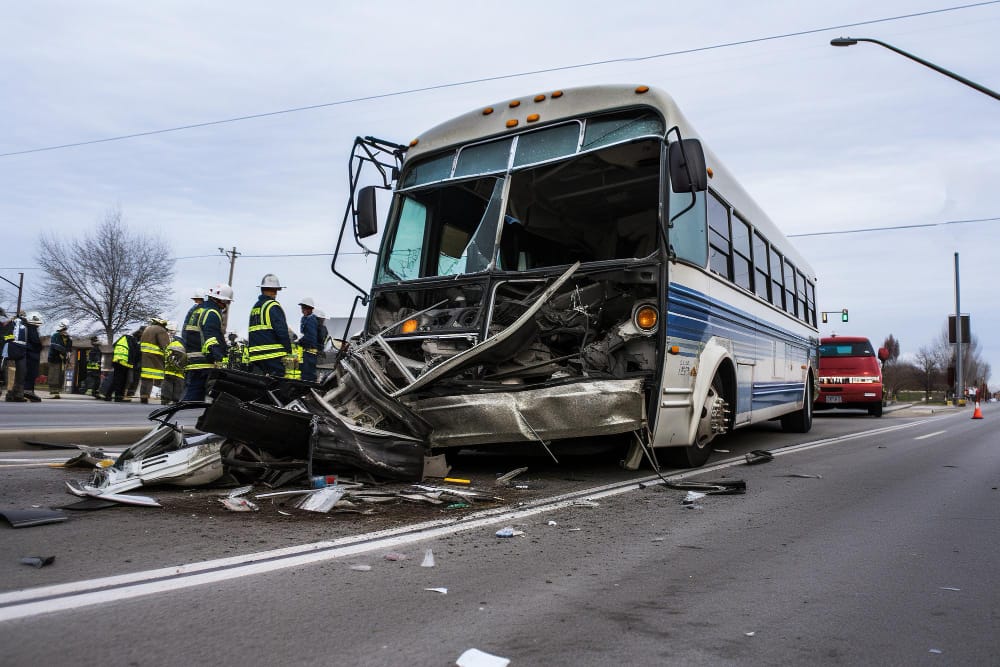
A Chicago Transit Authority (CTA) bus is one of the most common ways people travel around the city. Every day, thousands of residents, workers, students, and tourists rely on CTA buses to get where they need to go. While buses are generally considered safe, accidents still happen. A collision involving a CTA bus can leave passengers, pedestrians, cyclists, and people in other vehicles with serious injuries and unexpected financial burdens.
If you have been involved in a CTA bus accident, knowing what to do immediately afterward can make a significant difference in protecting both your health and your legal rights. The steps you take during the hours and days following the crash can also strengthen your claim if you decide to seek compensation.
This guide explains exactly what you should do after a CTA bus accident in Chicago and why each step matters.
Put Your Safety First
Your health should always be your top priority. After a CTA bus accident, stay calm and check yourself for injuries. Even if you believe your injuries are minor, avoid rushing to leave the scene. Some injuries, especially those involving the head, neck, or back, may not be immediately noticeable because adrenaline can temporarily mask pain.
If you are able to move safely, relocate to a secure area away from traffic or other hazards. However, if you suspect you have suffered a spinal injury or severe trauma, remain where you are until emergency responders arrive unless staying in place puts you in immediate danger.
If other people need assistance and you can safely help them without risking further injury, do so while waiting for emergency personnel.
Call 911 Immediately
Every CTA bus accident should be reported to emergency services. Calling 911 ensures that police officers and medical personnel respond to the scene.
The police will prepare an official accident report that documents important information, including:
- The time and location of the crash.
- The vehicles involved.
- Initial observations about how the accident occurred.
- Statements from drivers and witnesses.
- Weather and road conditions.
This report often becomes an important piece of evidence during an insurance claim or personal injury lawsuit.
Emergency medical technicians can also examine everyone involved and determine whether immediate medical treatment is necessary.
Get Medical Attention Even If You Feel Fine
One of the biggest mistakes accident victims make is assuming they are not seriously hurt because they can still walk or talk.
Many injuries appear hours or even days later. Common delayed injuries include:
- Whiplash
- Concussions
- Internal bleeding
- Soft tissue injuries
- Back injuries
- Shoulder injuries
Visiting a hospital, urgent care center, or your primary doctor creates a medical record connecting your injuries to the accident. This documentation is extremely valuable if you later pursue compensation.
Always follow your doctor’s treatment plan, attend follow-up appointments, and complete any recommended physical therapy or rehabilitation.
Stay at the Scene
Unless emergency medical personnel transport you to the hospital, remain at the accident scene until police have completed their initial investigation.
Leaving too early could make it difficult to obtain important information or speak with investigators.
If you are physically able, cooperate with responding officers by providing factual information about what happened. Avoid guessing or making assumptions if you are unsure about certain details.
Report the Accident to the CTA
In many cases, the CTA will prepare its own incident report after a bus accident.
If you were injured while riding the bus, notify the driver as soon as possible if you are physically able. Ask whether an incident report is being completed.
You may also wish to contact the CTA afterward to ensure your accident has been officially documented.
Having multiple reports that confirm the accident occurred can help support your claim later.
Gather Evidence at the Scene
If your injuries allow, collect as much information as possible before leaving.
Photos often become some of the strongest evidence after any accident.
Take pictures of:
- The damaged bus.
- Other vehicles involved.
- Your injuries.
- Road conditions.
- Traffic signals.
- Skid marks.
- Debris.
- Weather conditions.
- The surrounding intersection.
Also write down details you may forget later, including:
- Bus route number.
- Bus number.
- Driver’s name if available.
- Exact accident location.
- Time of the collision.
Small details that seem unimportant immediately after the accident may later become valuable evidence.
Speak with Witnesses
Independent witnesses can provide objective accounts of how the crash occurred.
If possible, ask witnesses for:
- Full names.
- Phone numbers.
- Email addresses.
Witness statements often become especially important if different parties disagree about who caused the accident.
Do not pressure anyone to support your version of events. Simply ask if they would be willing to provide their contact information in case investigators or attorneys need to speak with them later.
Exchange Information with Other Drivers
If another vehicle was involved in the collision, exchange information with the driver just as you would after any other motor vehicle accident.
Collect:
- Name
- Address
- Phone number
- Driver’s license information
- Insurance information
- Vehicle registration
Avoid discussing fault or arguing about what happened. Let investigators determine responsibility based on the available evidence.
Be Careful What You Say
It is natural to apologize after an accident, even when you did nothing wrong. However, statements such as “I’m sorry” may later be interpreted as admitting fault.
Instead, stick to the facts when speaking with:
- Police officers
- CTA employees
- Insurance representatives
- Other drivers
If you do not know the answer to a question, simply say so.
Never exaggerate your injuries or speculate about what caused the accident.
Keep Every Document
Good documentation can make a major difference during a personal injury claim.
Save copies of:
- Medical bills
- Hospital records
- Prescription receipts
- Physical therapy records
- Diagnostic test results
- Insurance correspondence
- Repair estimates
- Photographs
- Police reports
- Pay stubs showing lost wages
Create a dedicated folder so everything related to your accident stays organized.
Keep a Personal Injury Journal
Many people overlook how helpful a recovery journal can be.
Write down:
- Your daily pain levels.
- Medical appointments.
- Physical limitations.
- Emotional struggles.
- Sleep problems.
- Activities you can no longer perform.
- Missed workdays.
These notes help demonstrate how the accident has affected your everyday life beyond your medical bills.
Be Careful When Talking to Insurance Companies
Soon after the accident, you may receive calls from insurance adjusters.
Although adjusters may seem friendly, remember that insurance companies are businesses trying to limit claim payouts.
Avoid giving recorded statements before understanding your legal rights.
Never accept a quick settlement simply because it is offered early. Initial settlement offers may not fully account for future medical treatment, rehabilitation costs, or lost earning capacity.
If you are unsure how to respond, consider speaking with an attorney before signing any documents.
Understand Who May Be Responsible
CTA bus accidents can be more complicated than ordinary car crashes because several parties may share responsibility.
Depending on the circumstances, liability could involve:
- The CTA.
- The bus driver.
- Another negligent motorist.
- A commercial trucking company.
- A vehicle manufacturer.
- A maintenance contractor.
- A government agency responsible for road maintenance.
A thorough investigation is often necessary to determine exactly who caused the accident.
Know the Types of Compensation You May Recover
Every case is different, but injured victims may be able to recover compensation for losses such as:
Medical expenses can include emergency treatment, surgeries, hospitalization, rehabilitation, medications, future medical care, and assistive devices.
Lost income may include wages missed during recovery as well as reduced future earning ability if injuries permanently affect your ability to work.
Pain and suffering compensation may account for physical pain, emotional distress, anxiety, depression, and reduced quality of life resulting from the accident.
In some cases, victims may also recover compensation for permanent disability, disfigurement, or loss of normal life.
The amount available depends on the severity of the injuries and the specific facts of the case.
Why CTA Bus Accident Claims Can Be Different
Claims involving public transportation are often more complicated than accidents involving private vehicles.
Government agencies may have different legal procedures, notice requirements, and filing deadlines than standard personal injury cases.
Investigating a CTA accident may also involve obtaining:
- Surveillance video.
- Driver employment records.
- Maintenance logs.
- Internal incident reports.
- Bus inspection records.
- Electronic driving data.
Because valuable evidence may disappear over time, acting promptly is important.
Avoid Posting About the Accident on Social Media
It can be tempting to share updates with friends and family online, but social media posts can sometimes be used against injury victims.
Photos, comments, or location check-ins may be taken out of context and used to argue that your injuries are less serious than claimed.
Until your case is resolved, it is generally wise to avoid discussing the accident on social media.
Contact an Experienced Chicago Bus Accident Attorney
After a serious CTA bus accident, handling insurance companies, medical bills, and legal paperwork can quickly become overwhelming.
An experienced Chicago bus accident attorney can investigate the accident, gather evidence, preserve important records, communicate with insurance companies, calculate the full value of your losses, and fight for the compensation you deserve.
The sooner an attorney becomes involved, the better the opportunity to secure evidence before it is lost or destroyed.
Contact Phillips Law Offices Today
If you or someone you love has been injured in a CTA bus accident, call us today at (312) 346-4262. The experienced Chicago bus accident attorneys at Phillips Law Offices have spent decades representing injury victims throughout Chicago and understand the unique legal issues involved in claims against public transportation agencies. Our legal team can investigate the accident, identify all responsible parties, negotiate with insurance companies, and aggressively pursue the maximum compensation available for your medical expenses, lost wages, pain and suffering, and other damages.
Contact Phillips Law Offices today for a free consultation to discuss your case and learn how they can help protect your rights while you focus on your recovery.