
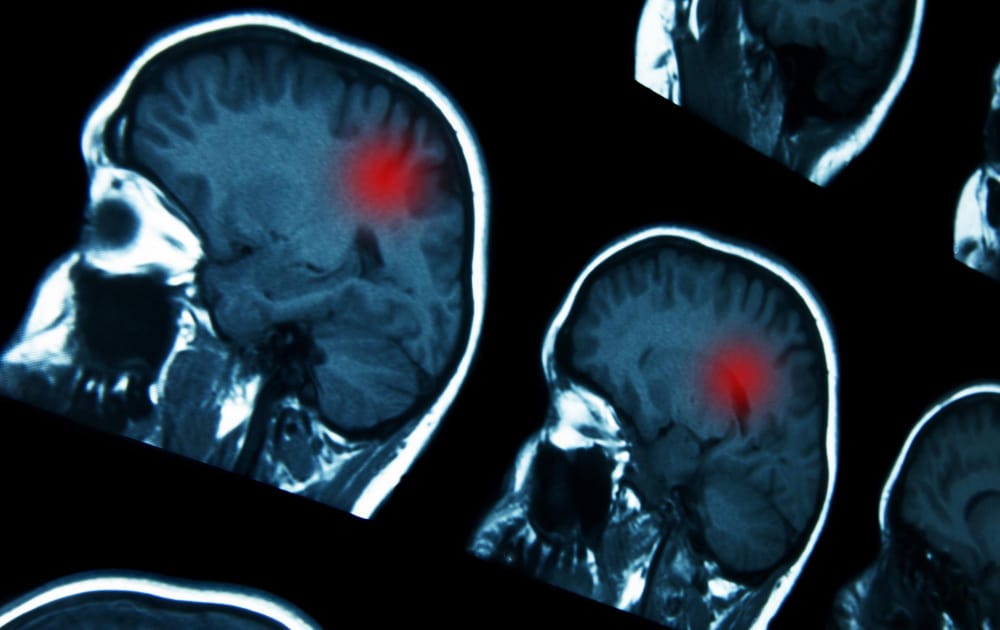
Frontal lobe brain injuries cause long-term effects including personality changes, impaired decision-making, memory problems, emotional dysregulation, and motor function difficulties. The frontal lobe controls executive functions, impulse control, and social behavior—damage here can permanently alter who you are. Many frontal lobe injuries go undiagnosed for years, especially childhood brain injuries that aren’t discovered until adulthood.
If you or your loved one suffered a frontal lobe injury in Chicago, contact Phillips Law Offices for a free consultation at (312) 346-4262.
Long-Term Effects of Frontal Lobe Damage by Category
| Category | Long-Term Effects | Impact on Daily Life |
|---|---|---|
| Cognitive | Memory problems, difficulty planning, impaired judgment, reduced problem-solving ability | Can’t manage finances, make decisions, or complete complex tasks |
| Behavioral | Impulsivity, risk-taking, aggression, inappropriate social behavior | Job loss, relationship breakdown, legal problems |
| Emotional | Mood swings, depression, anxiety, emotional flatness, irritability | Difficulty maintaining relationships, social isolation |
| Personality | Changed personality, loss of empathy, reduced motivation, apathy | Family doesn’t recognize the person they knew |
| Motor | Weakness, coordination problems, difficulty with fine motor skills | Can’t perform job duties, trouble with daily activities |
| Speech/Language | Difficulty finding words, impaired speech production (Broca’s area damage) | Communication barriers, social withdrawal |
Understanding Frontal Lobe Brain Injuries
What Are Frontal Lobe Brain Injuries?
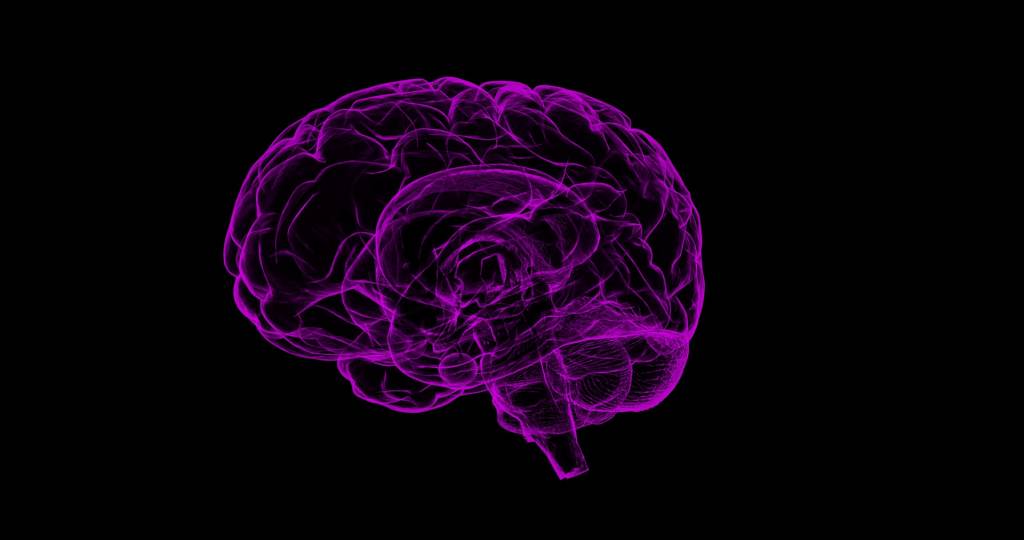
Frontal lobe brain injuries occur when the front part of the brain—located behind your forehead—sustains damage. This region controls your most “human” functions: decision-making, personality, impulse control, emotional regulation, and social behavior. Unlike other brain regions, frontal lobe damage often produces subtle changes that family members notice before doctors do.
Causes of Frontal Lobe Brain Injuries
| Cause | How It Damages the Frontal Lobe | Common Scenarios |
|---|---|---|
| Traumatic Brain Injury (TBI) | Direct impact or coup-contrecoup injury | Car accidents, falls, assaults, sports injuries |
| Stroke | Blood supply cut off to frontal regions | Anterior cerebral artery stroke |
| Brain Tumors | Tumor growth compresses frontal tissue | Meningiomas, gliomas in frontal region |
| Infections | Inflammation damages brain tissue | Encephalitis, meningitis, brain abscess |
| Anoxia/Hypoxia | Oxygen deprivation kills brain cells | Near-drowning, cardiac arrest, birth injuries |
| Degenerative Disease | Progressive frontal lobe deterioration | Frontotemporal dementia, Alzheimer’s disease |
Anatomy and Function of the Frontal Lobe
The frontal lobe is the largest of the brain’s four lobes, comprising about one-third of the cerebral cortex. It contains several critical regions:
Key Frontal Lobe Structures
| Structure | Function | Effects of Damage |
|---|---|---|
| Prefrontal Cortex | Executive functions, planning, decision-making, personality | Poor judgment, impulsivity, personality changes |
| Motor Cortex | Controls voluntary movement | Weakness or paralysis on opposite side of body |
| Broca’s Area | Speech production | Difficulty speaking (expressive aphasia) |
| Orbitofrontal Cortex | Emotion regulation, social behavior | Inappropriate behavior, emotional outbursts |
| Anterior Cingulate | Attention, motivation, error detection | Apathy, lack of motivation, attention problems |
Short-Term vs. Long-Term Effects of Frontal Lobe Injuries
Immediate Symptoms (Hours to Days)
- Loss of consciousness
- Confusion and disorientation
- Headaches and dizziness
- Nausea and vomiting
- Memory gaps around the injury
Long-Term Effects (Months to Permanent)
Cognitive Impairments
- Executive dysfunction: Difficulty planning, organizing, and completing multi-step tasks
- Memory problems: Trouble forming new memories or recalling information
- Attention deficits: Can’t focus, easily distracted
- Impaired judgment: Makes poor decisions, can’t assess risk
Emotional and Behavioral Changes
- Personality changes: Family often says “they’re not the same person”
- Emotional dysregulation: Mood swings, inappropriate emotional responses
- Impulsivity: Acts without thinking, can’t control urges
- Social disinhibition: Says inappropriate things, violates social norms
- Aggression: Verbal outbursts, physical aggression
- Apathy: Loss of motivation, doesn’t care about things they used to enjoy
The Hidden Problem: Undiagnosed Frontal Lobe Injuries
Frontal lobe injuries are frequently missed or misdiagnosed because:
- CT scans may appear normal even with significant damage
- Symptoms develop gradually over weeks or months
- Changes are attributed to “stress” or “depression”
- The injured person lacks insight into their own changes
- Childhood injuries may not manifest until adulthood when executive function demands increase
Many adults discover they have undiagnosed brain injuries from childhood that have affected their entire lives—their struggles with school, relationships, and careers finally make sense when the old injury is discovered.
Recovery and Prognosis
| Injury Severity | Recovery Timeline | Expected Outcomes |
|---|---|---|
| Mild TBI/Concussion | Days to weeks | Most recover fully; 10-15% have persistent symptoms |
| Moderate TBI | Months to 1-2 years | Significant recovery possible; some permanent deficits likely |
| Severe TBI | Years; ongoing | Permanent impairments common; lifelong support often needed |
Factors Affecting Recovery
- Age at injury: Younger patients often recover better, but childhood injuries can cause developmental problems
- Injury location and extent: Focal injuries recover better than diffuse damage
- Access to rehabilitation: Early, intensive therapy improves outcomes
- Pre-injury health: Previous brain injuries or conditions worsen prognosis
- Support system: Strong family support improves recovery
Treatment and Rehabilitation Options
Medical Interventions
- Medications: For seizures, depression, anxiety, attention problems, aggression
- Surgery: To remove blood clots, repair skull fractures, relieve pressure
Rehabilitation Therapies
- Cognitive rehabilitation: Exercises to improve memory, attention, problem-solving
- Occupational therapy: Relearn daily living skills
- Speech therapy: Address communication difficulties
- Physical therapy: Improve motor function, balance, coordination
- Psychological counseling: Help with emotional adjustment, depression, anxiety
- Vocational rehabilitation: Return-to-work support
Frontal Lobe Injury Settlement Values in Illinois
| Injury Severity | Settlement Range | Key Factors |
|---|---|---|
| Mild (full recovery) | $50,000 – $150,000 | Short-term symptoms, minimal treatment |
| Moderate (some permanent effects) | $150,000 – $500,000 | Personality changes, cognitive deficits, job impact |
| Severe (permanent disability) | $500,000 – $2,000,000+ | Cannot work, requires ongoing care, total life impact |
| Catastrophic (24/7 care needed) | $2,000,000 – $10,000,000+ | Lifetime care costs, lost earnings, severe impairment |
Frequently Asked Questions
What does the frontal lobe do?
The frontal lobe controls executive functions (planning, decision-making, problem-solving), personality, emotional regulation, social behavior, impulse control, and voluntary movement. It’s essentially the “CEO” of your brain.
Can frontal lobe damage repair itself?
The brain has some ability to heal and rewire itself (neuroplasticity), especially with intensive rehabilitation. However, significant frontal lobe damage often causes permanent changes. Early treatment improves outcomes, but some effects may be lifelong.
What are the symptoms of a frontal lobe concussion?
Frontal lobe concussion symptoms include confusion, difficulty concentrating, memory problems, mood changes, impulsivity, headaches, and personality changes. Symptoms may develop gradually over days or weeks.
How long does it take to recover from a frontal lobe brain injury?
Recovery time varies widely: mild injuries may resolve in weeks, moderate injuries take months to years, and severe injuries may cause permanent impairment. Most significant recovery occurs in the first 1-2 years, but improvement can continue for years with ongoing therapy.
Can childhood frontal lobe injuries affect adults?
Yes. Childhood brain injuries can cause problems that don’t fully manifest until adulthood, when executive function demands increase. Many adults struggle for years before discovering an old injury explains their difficulties.
Suffered a Frontal Lobe Injury? Contact Us Now
If you or someone you care about suffered a frontal lobe injury in a car accident, truck accident, fall, or workplace incident in Chicago, you deserve experienced legal representation. Frontal lobe injuries are often undervalued by insurance companies because the damage isn’t visible—but we know how to document and prove the true impact on your life.
Our traumatic brain injury attorneys will work with neurologists, neuropsychologists, and life care planners to ensure you receive full compensation for:
- Past and future medical expenses
- Lost wages and earning capacity
- Pain and suffering
- Loss of enjoyment of life
- Cognitive rehabilitation and therapy
- Long-term care needs
Contact us now for a free consultation about your frontal lobe injury case.
Related Resources:
Undiagnosed Brain Injury from Childhood
Frontal lobe brain injuries often result in permanent cognitive and behavioral changes that require lifelong care. Victims of traumatic brain injuries in the Kane County region can consult with our Kane County personal injury lawyers to pursue the compensation needed for long-term medical treatment and rehabilitation.
Traumatic brain injuries can change the course of a victim’s life permanently. Arlington Heights residents suffering from frontal lobe injuries after an accident should consult our personal injury attorneys in Arlington Heights to ensure their long-term care needs are covered.
Traumatic brain injuries change lives forever and deserve serious legal representation. Wheaton residents suffering from brain injuries caused by someone else’s negligence should contact our personal injury attorneys in Wheaton for a thorough case evaluation.
Mild Concussion Settlement Value