
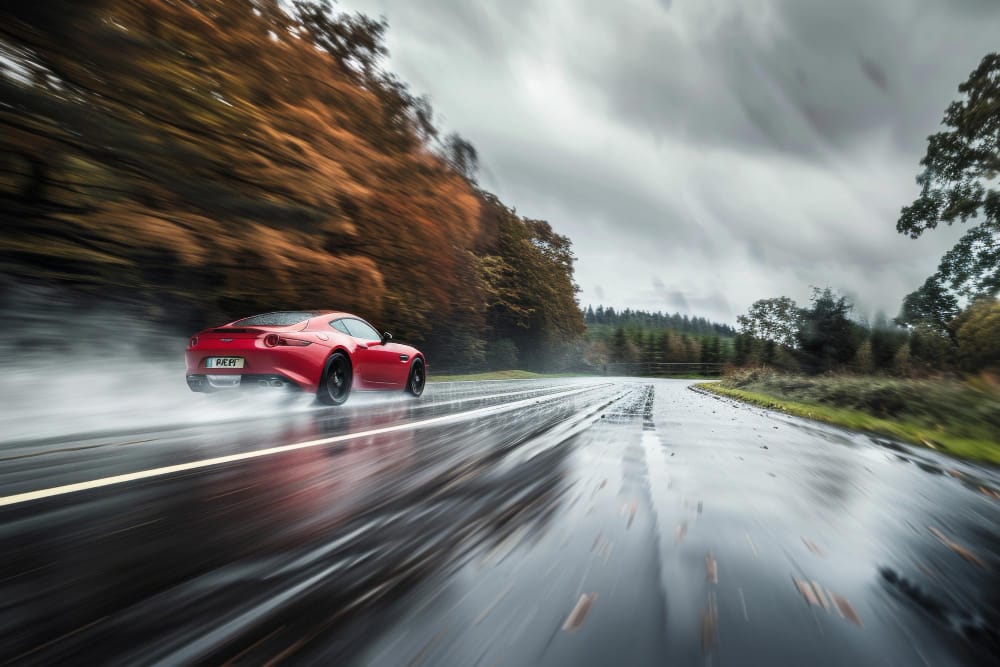
Skidding is a situation that many drivers may encounter while driving, often unexpectedly. It happens when a vehicle loses traction with the road, causing it to slide uncontrollably. This can occur under various conditions, such as on wet or icy roads, or when a driver brakes or accelerates too suddenly. Knowing how to handle a skid is crucial because it can help prevent accidents and keep everyone on the road safe.
Skidding is when your car’s tires lose their grip on the road, which makes it hard to control the vehicle. It can happen to any driver, even experienced ones, and usually occurs due to weather conditions, sharp turns, or sudden maneuvers. When a car skids, it may slide sideways, forward, or spin out, depending on the situation. Being aware of skidding and understanding why it happens is the first step toward preventing it.
When your car starts to skid, how you react can make all the difference. If you panic or make the wrong moves, you can make the situation worse, potentially leading to a crash. But if you know what to do, you can regain control of your vehicle and avoid accidents. That’s why it’s so important to understand what causes skidding and how to respond effectively. Learning how to manage skids can help you stay calm and take the right actions.
Understanding the Basics of Car Skidding
What Is Car Skidding?
Car skidding happens when your tires lose their grip on the road, making it difficult to steer or stop. There are different types of skids, including understeer (when the front wheels lose traction), oversteer (when the rear wheels lose traction), and hydroplaning (when the car slides on a wet surface). Each type of skid feels different and requires a unique response to recover control.
Common Causes of Car Skidding
- Wet or Icy Roads: Slippery surfaces reduce tire traction, making it easier for your car to skid, especially during rain or snow.
- Speeding Around Corners: Going too fast while turning can cause your tires to lose grip, leading to a skid.
- Sudden Braking or Acceleration: Abrupt changes in speed, like slamming on the brakes or hitting the gas too hard, can cause your car to skid.
- Poor Tire Traction: Worn-out or underinflated tires don’t grip the road well, increasing the likelihood of skidding.
Different Types of Skids
Front-Wheel Skids
A front-wheel skid, or understeer, happens when your car’s front tires lose grip, and the vehicle won’t turn as sharply as you intend. This usually occurs when driving too fast into a curve or on slippery roads.
Rear-Wheel Skids
A rear-wheel skid, or oversteer, happens when the back tires lose grip, causing the rear of the car to slide out. This often occurs when accelerating too quickly or turning too sharply.
Four-Wheel Skids
In a four-wheel skid, all tires lose traction at the same time, often due to braking too hard on a slippery surface. In this scenario, your car slides in a straight line without much control.
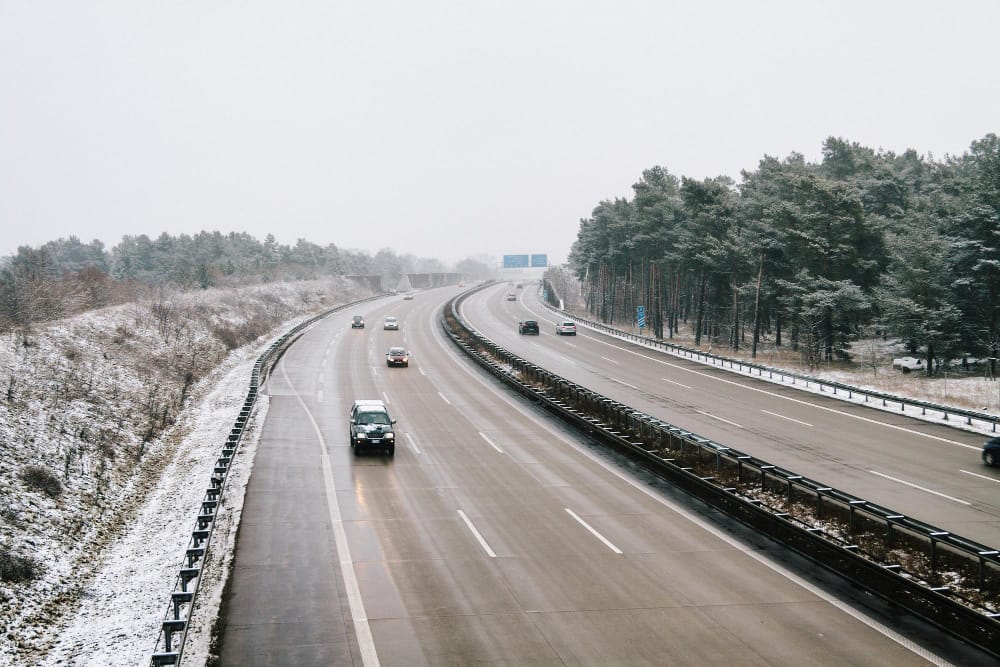
Immediate Actions to Take When Your Car Starts to Skid
Stay Calm and Avoid Panicking
When your car starts to skid, it’s easy to panic. However, staying calm is your best asset because panic can lead to poor decisions. Take a deep breath, focus, and prepare to regain control.
Avoid Slamming the Brakes
Many drivers’ first reaction to a skid is to hit the brakes hard, but this can make things worse by locking the wheels and reducing control. Instead, ease off the accelerator and gently steer.
Steering into the Skid
If your car skids, gently turn the steering wheel in the direction the rear of your car is sliding. This helps align the tires with the direction of travel and regain traction.
How to Handle a Front-Wheel Skid
When the front tires lose traction, ease off the gas and gently steer in the direction you want to go. Don’t make sudden movements, as this can make the skid worse.
How to Handle a Rear-Wheel Skid
For a rear-wheel skid, steer in the direction of the skid. If the rear of your car slides to the left, turn the steering wheel to the left until the car straightens out.
What to Do If Your Car Hydroplanes
When your car hydroplanes, it’s gliding on water, not the road. The best response is to take your foot off the gas, avoid steering sharply, and wait for your tires to regain traction.
Preventing a Skid: Proactive Tips for Drivers
Drive Slowly in Hazardous Conditions
When roads are wet, icy, or snowy, slowing down is key. Driving at a reduced speed gives your tires more time to grip the road and helps prevent skidding.
Maintain Proper Tire Pressure and Tread
Tires play a huge role in preventing skids. Regularly check that your tires have enough air and that the tread isn’t worn down, as good tires improve traction on the road.
Avoid Sudden Movements
Sudden moves, like quick acceleration, braking, or steering, can lead to a loss of traction. Try to be smooth with all driving actions, especially in bad weather.
Use Your Brakes Wisely
When you need to brake, apply them slowly and evenly. Sudden or hard braking can lock the wheels and cause a skid, so always brake with care, especially on slippery surfaces.
Technologies That Help Prevent Skidding
Understanding ABS (Anti-lock Braking System)
ABS is a technology that prevents your wheels from locking up when you brake hard. It allows you to maintain control by pumping the brakes automatically, helping avoid skids.
Traction Control and Stability Control Systems
Traction and stability control systems help your car maintain grip on the road, especially in slippery or uneven conditions. These features automatically adjust power and braking to prevent skidding.
What to Do After a Skid: Post-Skid Actions
Assessing Any Immediate Damage
After recovering from a skid, stop safely and check your vehicle for damage. Look for signs like bent tires, scrapes, or other issues that might need immediate attention.
Reevaluate Your Driving Conditions
Once you’ve recovered from a skid, think about the road conditions and whether you need to adjust your driving style, like slowing down or being more cautious to avoid skidding again.
What to Do If You Crash After a Skid
If the skid leads to a crash, prioritize safety. Make sure you and any passengers are safe, check for injuries, and move your vehicle to a safer spot if possible.
Stay Safe and Check for Injuries
After a crash, immediately check for any injuries. If anyone is hurt, call for medical help. Even if no one is injured, it’s important to stay safe by moving off the road if you can.
Call Emergency Services
If you’ve been in an accident, contact the police and, if needed, emergency medical services. This helps create an official report of the incident and ensures everyone’s well-being.
Exchange Information and Document the Scene
After an accident, exchange information with the other driver, including names, contact details, and insurance information. Also, document the scene with photos and notes, which can help with insurance claims.
Legal Implications: Traffic Tickets and Fault in Skidding Accidents
What Traffic Tickets Apply for Skidding Accidents in Chicago?
If you skid and lose control, you could face several traffic violations in Chicago, depending on the situation.
Failure to Maintain Control
Losing control of your vehicle due to skidding can result in a ticket for failing to maintain control, especially if it leads to an accident.
Speeding in Hazardous Conditions
Even if you weren’t going over the speed limit, you can still be ticketed for driving too fast in dangerous weather conditions if it contributes to a skid.
Reckless Driving Charges
If the skid was caused by negligent or reckless driving, such as speeding or making unsafe maneuvers, you could face more serious charges like reckless driving.
Who Is at Fault if You Are in a Car Accident Because of Skidding?
The Role of Negligence
In skidding accidents, fault is often determined by whether the driver was being negligent. For example, driving too fast for the conditions can place blame on the driver.
Weather and Road Conditions
Sometimes, poor weather or road conditions contribute to skidding. In such cases, fault may still lie with the driver if they didn’t adjust their speed or driving style accordingly.
Comparative Fault in Illinois
Illinois uses a comparative fault system, meaning both drivers can share responsibility for an accident. If you’re partially at fault for skidding, your compensation may be reduced based on your level of fault.
What should I do if my car skids on black ice?
If your car skids on black ice, the first thing to do is to stay calm. Gently take your foot off the accelerator and avoid slamming on the brakes, as this can worsen the skid. Instead, steer your vehicle in the direction you want to go, and once you regain traction, you can brake lightly to slow down.
Can skidding happen even with new tires?
Yes, skidding can happen even with new tires. While new tires generally provide better grip, they can’t completely prevent skidding on slippery surfaces like black ice or wet roads. Factors like road conditions, tire pressure, and driving speed also play significant roles in traction.
How can I avoid skidding during rainy weather?
To avoid skidding in rainy weather, reduce your speed and maintain a safe distance from other vehicles. Avoid sudden movements like hard braking or sharp turns, as these can lead to loss of control. Keeping your tires well-maintained and properly inflated also helps improve traction on wet roads.
Is it safe to use cruise control in wet conditions?
No, it’s not safe to use cruise control in wet conditions. If your car starts to hydroplane while cruise control is engaged, it can make it harder to regain control. It’s best to turn off cruise control and manually adjust your speed according to road conditions.
How do I know if my car has ABS or traction control?
You can check if your car has Anti-lock Braking System (ABS) or traction control by looking for a warning light on the dashboard when you start the engine; it usually looks like a circle with a “W” inside. You can consult your vehicle’s owner manual or contact the manufacturer for specific details about your car’s features.
Who is liable if I skid into another car in Chicago?
In Chicago, liability for a skid into another car typically depends on the circumstances of the accident. If you were driving recklessly or too fast for conditions, you may be held liable. However, if the other driver was also negligent, liability could be shared. It’s often advisable to consult with an insurance expert or legal professional for guidance in such situations.
Lawyers For Skidding Car Accidents in Chicago, Illinois
If you or someone you care about has been in a skidding car accident in Chicago, you don’t have to deal with it by yourself. Get in touch with a good skidding car accident lawyer today to help you understand your rights and get the money you need for your injuries and damages. With experienced lawyers on your side, you can focus on getting better while they handle the insurance and legal stuff. Call (312) 346-4262 for a free consultation now and start your journey to recovery and justice!
Interesting Reads:
Who is at Fault When Hydroplaning Causes an Accident?
Negligent Your Car Maintenance is More Common Than you Think