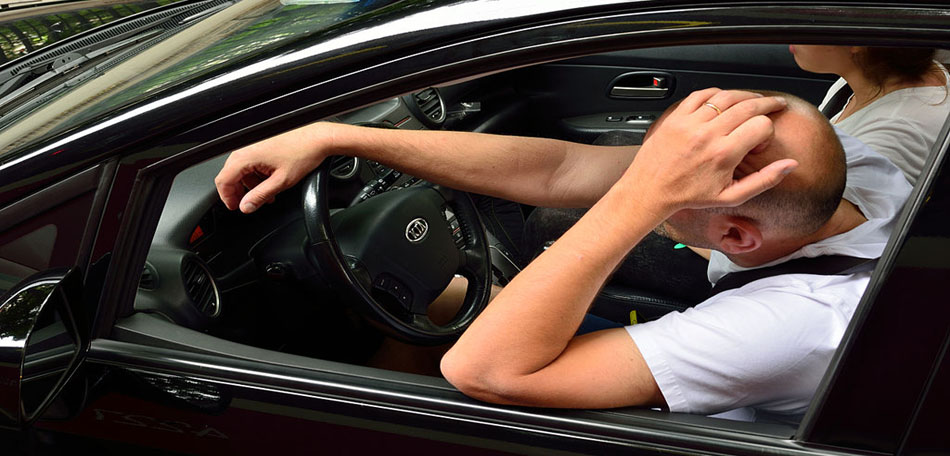

Many people wonder what counts as a reliable witness after a car accident. When questions arise about who saw what, the attention often turns to those present in the vehicles. Passengers can hold important details about how the event unfolded. Their point of view may answer questions that drivers or outsiders miss.
A witness in a car accident is simply anyone who can explain what they saw, heard, or experienced during the collision. This could be someone walking nearby, another driver, or a passenger riding in one of the affected vehicles. Passengers tend to have firsthand knowledge of the situation because they were there when the incident happened, which can make their accounts helpful. If you are dealing with a complicated case, consulting with experienced Chicago car accident attorneys can ensure that witness statements are properly documented and used to protect your rights.
Accident claims, investigations, and legal situations make use of witness accounts when trying to understand the true sequence of events. Because passengers share the driver’s journey but have their own perspective, their statements can shed light on details such as the speed of vehicles, traffic signals, and the behavior of other road users.
If you were a passenger and have concerns about providing your version of events, rest assured that your side of the story matters. Both insurance companies and courts regularly use passenger statements to assess fault and sort out disputes.
Can a Passenger Legally Be a Witness?
Under the law, anyone with direct knowledge of a car accident can step forward as a witness—including passengers. There is no special barrier that prevents passengers from sharing what they saw. If you were in the vehicle, your voice can count in the official record just as much as any bystander’s.
The value of your statement may depend on your relationship to the driver. For example, the testimony of a friend or family member may be carefully reviewed to ensure it is genuine and unbiased. However, being close to the driver does not disqualify you. Courts and insurance adjusters recognize that people often travel together and expect honest answers.
What matters most is whether you have meaningful information. Maybe you noticed that a light was green, or saw another car swerving before the collision. Your memory of the event helps piece together what actually happened. In fact, passengers sometimes see things the driver does not, due to their seating position or ability to focus on surroundings.
Passengers can also offer emotional descriptions of the moments before the crash. Did you sense panic, see aggressive driving, or hear something unusual? These details, when explained clearly, can assist professionals in evaluating claims and legal decisions.
First-Person vs. Third-Person Witnesses
When looking at an accident, witnesses fall into two categories: those involved and those who are outside the event. First-person witnesses are participants, such as drivers or passengers. Third-person witnesses are outsiders, like a pedestrian who saw the crash.
Passengers are considered first-person witnesses because they are part of what happened. Their point of view may combine with a driver’s statement or bring something new to light. Sometimes, their testimony can support or disagree with what the driver says if their memories are different.
However, third-person witnesses—such as people waiting at a bus stop or walking on the sidewalk—can bring a level of neutrality. Their accounts may be seen as more detached since they do not have direct ties to those in the vehicles. This can create a strong impression of fairness and lack of bias.
Each type of witness serves a role. Passengers offer the benefit of being present and seeing things up close. Outsider witnesses reassure decision-makers that the story lines up with independent points of view. Both are used together when building a full picture of how the accident occurred.
Passenger Witness Impact on Insurance Claims
Insurance companies often look for statements from passengers when collecting facts for a car accident claim. A passenger’s testimony can add clarity to a situation where drivers disagree or the official report is incomplete. Such statements can make the difference in whether a claim is approved or denied.
For those who need to make an insurance claim, the details provided by a passenger are examined carefully. The adjuster will check for consistency, accuracy, and whether the account matches up with other evidence—like dashcam footage, accident scene photos, or reports from police.
The strength of a passenger’s statement depends on how clear, detailed, and honest it is. If the passenger’s version matches other forms of evidence, it becomes even more reliable. Smart claims include as much supporting information as possible, such as time stamps, locations, and descriptions of weather or traffic.
If a case goes sour and the insurance company suspects bias, it can ask for extra evidence or independent statements. In some cases, the testimony of a passenger can help settle big claims without needing a drawn-out investigation.
Passenger Witnesses in Court: Legal Weight & Admissibility
When a car accident leads to legal proceedings, the details from passengers can be powerful in shaping the outcome. Courts listen to all testimony, including that from passengers, so long as it is relevant and reliable. There are no restrictions preventing a passenger from serving as a witness.
Judges and juries focus on whether the passenger’s account is clear and truthful. They look for stories that match up with reports, photographs, and physical evidence from the scene. If there are differences between what passengers say and other witnesses, the court sorts out which version makes the most sense.
Sometimes, a passenger’s explanation can become the tipping point in deciding who was at fault. If the case comes down to a dispute between drivers, a careful passenger witness can make the details easier to understand. Their account puts extra context on how the accident unfolded.
However, courts want to know if the witness is biased. They may ask about the passenger’s relationship to the people involved and test for fairness by comparing details to outside evidence. As long as the passenger is honest, their testimony is likely to help find a just solution.
Factors Affecting Passenger Credibility
Distraction During the Accident
A passenger’s reliability depends a lot on how focused they were during the accident. If someone was looking at their phone, chatting, or doing something else, they might not notice all the important details. When a passenger is distracted, their memory about what happened could be missing key points or not fully accurate.
Influence of Alcohol or Medication
If a passenger has taken alcohol or certain medicines, they may not remember the accident clearly. These substances can make people confused or forgetful. Insurance companies and courts check if someone was under the influence, because it can affect how well they can explain the event.
Medical or Memory Problems
Passengers who have trouble seeing, hearing, or remembering things might not be the best witnesses. If someone has an injury or a health problem that affects their memory, their account might not be as complete. Experts look at these health factors to figure out how reliable the passenger’s version is.
Seating Position in the Car
Where a passenger sits makes a difference in what they can see. Someone in the front seat can usually see more of the road and other vehicles, while a person in the back may miss things. Decision-makers consider where the passenger was sitting to decide if they had a good view of the accident.
Relationship to the Driver
If a passenger is a close friend, family member, or co-worker of the driver, their statement may be looked at very carefully. Sometimes people want to help someone they know, which can make their account less fair. Courts and insurance teams check for this to make sure the story they hear is honest and not just trying to protect a loved one.
Situations Where Passenger Testimony May Be Discounted
There are times when insurance companies and courts do not take a passenger’s statement seriously. If the passenger stands to gain from the outcome—like sharing in an insurance payout—their account is seen with more caution. Financial involvement, whether direct or indirect, raises concerns about whether the testimony can be trusted.

Passenger statements may also be set aside if the details are inconsistent. If someone changes their story or leaves out key facts, decision-makers may question their reliability. Distractions at the time of the accident, such as being engaged in another activity, can lead to unintentional mistakes or gaps in memory.
Another reason to doubt a passenger’s testimony is the risk of collusion. If multiple accounts seem suspiciously similar, investigators may check for coordinated efforts to sway the outcome. Bias, whether intentional or accidental, is always checked.
All these factors mean that while passengers are valuable sources of information, their stories are checked with care to make sure they are genuine and independent.
FAQs (Frequently Asked Questions)
Can a passenger file a witness statement for an accident claim?
Yes. Passengers are often encouraged to give a written or verbal account of what they saw, since insurers and courts accept these statements as part of the official record. Their unique position in the vehicle provides details drivers may not notice.
How does a passenger’s relationship to the driver impact their credibility as a witness?
Being close to the driver—such as a friend or family member—does not prevent a passenger from being a witness. However, the decision-makers may closely examine the testimony for fairness and truthfulness, making sure bias does not affect the outcome.
What if the passenger was injured—can they still serve as a witness?
An injured passenger can be a witness. Physical injuries do not disqualify someone from sharing their memories, unless the injuries affect their ability to recall or describe what happened clearly.
Are multiple passenger witnesses beneficial or problematic?
Multiple passengers can each provide witness statements. In many cases, having several witnesses offers a fuller picture. If their stories align and match other evidence, the collective testimony becomes more reliable.
Do insurers always accept passenger testimony?
Insurers usually accept passenger statements but test them for consistency and honesty. If bias or error is found, they may adjust their view accordingly or ask for more information.
Can children be witnesses in a car accident?
Yes, children can serve as witnesses, depending on their age, ability to recall, and willingness to describe their experience. Courts and insurers look for clarity, honesty, and detail in any testimony, regardless of age.
What makes a passenger an unreliable witness?
A passenger may be unreliable if they are distracted or if their story changes over time. Factors such as being under the influence, suffering memory problems, or having a financial interest in the case make a statement less reliable.
How soon should a passenger provide their account?
The sooner a passenger writes down or describes their memory, the more credible their account tends to be. Details are clearer right after the event, and waiting can make memories fade or become mixed up.
Can a passenger be held liable for an accident in any circumstances?
Liability usually falls on the drivers or vehicle owners. Passengers are rarely held directly responsible unless they contributed to the accident in a specific way—such as distracting the driver or interfering with controls.
Does recording details immediately after the accident improve credibility?
Yes, making notes or recording a statement right away helps make the account truthful and complete. It limits errors and makes sure small but important details are captured.
Passenger Testimony vs. Independent Eyewitness Account
Eyewitness accounts from those not involved in the accident are often preferred for neutrality. Still, passenger testimony is valuable because it fills in gaps and gives a full account. While outsider witnesses offer objectivity, insiders bring up details from inside the vehicle that others cannot provide.
Passengers may remember what was happening inside the car, such as conversations, emotions, or sudden actions just before the crash. Their account explains why a driver may have acted in a particular way and provides background on reactions.
Independent eyewitnesses—such as someone watching from outside the scene—contribute details that are free from personal ties. Together, both types of witnesses offer vital information that helps insurance companies, lawyers, and the court to reconstruct the chain of events.
Influence of Bias in Passenger Statements
Bias can sneak into any account of an accident. Passengers may want to support their driver or protect someone they know. This is why courts and insurance adjusters check for bias in every statement. Bias does not mean a witness is lying—it may simply mean their viewpoint is slightly slanted.
Questions about motive and reliability are important. If a passenger stands to gain from a favorable result, their words get extra scrutiny. The analysis focuses on matching their account with other evidence and checking for differences with independent statements.
To prevent bias, passengers should stick to facts. Describing what they saw and heard, instead of guessing or defending the driver, keeps their statement honest and easy to trust.
Determining Liability with Passenger Evidence
Liability is at the heart of car accident disputes. Accident investigators use passenger statements to figure out who was responsible for the collision. Passengers may describe actions that led up to the crash, such as sudden braking, changing lanes without signaling, or ignoring traffic controls.
Combining passenger evidence with details from police reports, photos, and outside witnesses allows for a fuller analysis. If a passenger’s version points to clear errors or corrects mistaken claims, it may be the deciding factor in assigning fault.
Insurance companies and courts will compare all the pieces. The goal is to make sure the story is complete and fair, using each source—including passengers—to reach an informed decision.
Common Issues in Passenger Witness Acceptance
Passenger statements can sometimes be challenged for reasons such as bias, inconsistency, or lack of attention. Decision-makers look for differences among accounts and may ask further questions to check accuracy. If a passenger changes their version or leaves out important facts, insurance companies and lawyers may probe further.
At times, insurers may reject an account if there’s a perceivable conflict of interest. For instance, if the passenger benefits financially from one outcome versus another, their testimony is examined with extra care.
The most accepted passenger statements are those that make sense, match other evidence, and do not show signs of bias. Being truthful, detailed, and straightforward increases the chance that a passenger’s testimony will play a significant role.
Legal Rights of Passengers as Witnesses
Passengers are under no legal barriers when it comes to offering details about a car accident. In almost every situation, courts and insurance companies want to hear their version of what happened. Passengers have the right to speak freely about what they saw and experienced.
If summoned to court, passengers often provide statements, answer questions, and sometimes testify under oath. The legal system treats passengers and outside witnesses equally when assessing the value of their accounts.
Passengers should feel confident in sharing their memories. Legal protections ensure their right to speak up, and there are rarely negative consequences for offering honest information.
Building a Credible Passenger Statement for Insurance & Court
A good passenger statement focuses on accuracy, detail, and truthfulness. To help with an insurance claim or court case, it’s smart to include dates, times, and descriptions of what happened before, during, and after the accident.
Avoid drawing conclusions or blaming anyone—stick to describing the scene. For example, a strong statement might mention the color of the traffic light, how many cars were nearby, or what was said in the seconds before the crash.
Writing things down or recording a voice memo right after the accident helps make sure your account is clear and complete. Having photos or other supporting materials only adds to your credibility.
The Role of Children and Minors as Witnesses
Children sometimes serve as witnesses in car accidents, especially if they are old enough to understand and recall the event. Courts and insurance companies take care when listening to a child’s version, checking for consistency and reliability.
Adults can help children write down or describe their memories. If a child’s statement matches other evidence, it helps build a clear picture of the accident.
In practice, statements from minors are used along with those from adults to ensure fairness and correctness in the official record.
Liability Issues for Passengers
Liability usually falls on the drivers of the vehicles involved. Occasionally, questions come up about a passenger’s role. For example, if a passenger distracted the driver or encouraged unsafe actions, there may be further review. However, most passengers are not held responsible for accidents unless their behavior directly caused a problem.
Courts and insurance companies investigate the facts thoroughly. If the passenger’s conduct played a role, there might be consequences. Otherwise, passengers are simply valuable observers whose words help clarify the cause.
Supporting Evidence for Passenger Testimony
A passenger’s statement gains strength when backed by other forms of evidence. Police reports, dashcam footage, photographs, and notes from the scene all support a passenger’s account.
If possible, collecting photos of the vehicles, the position of traffic signals, and nearby marks on the road helps solidify your account. These items, when provided to insurers or the court, increase the chance that your statement will be seen as trustworthy.
Matching evidence also lets decision-makers check for accuracy. Combining your direct experience with other sources builds a strong case.
Injured in a Car Accident in Chicago? Contact Phillips Law Offices Today
If you were hurt in a car accident in Chicago and need help with your claim, reach out to Phillips Law Offices. Our team is ready to listen to your story, answer your questions, and guide you through every step. We understand how important it is to have support after an accident.
Call Phillips Law Offices today at (312) 346-4262 and let us help you understand your rights. Whether you were a driver, a passenger, or a witness, we can help gather the facts and stand up for you.
- Free consultations available
- Get honest advice about your case
- We handle insurance companies and legal details for you
Passenger testimony can strengthen your injury claim, especially in disputed fault cases. McHenry County accident victims looking for experienced legal representation should contact our personal injury attorneys in McHenry County to build a strong case.
Passenger witnesses can be crucial in establishing fault after an accident. Skokie accident victims looking for strong legal representation should contact our personal injury attorneys in Skokie to build a compelling case.
Interesting Reads:
Average Car Accident Settlement in Illinois
Average Settlement for a Child in a Car Accident
What To Do If You Hit Your Head On The Steering Wheel In a Car Accident