
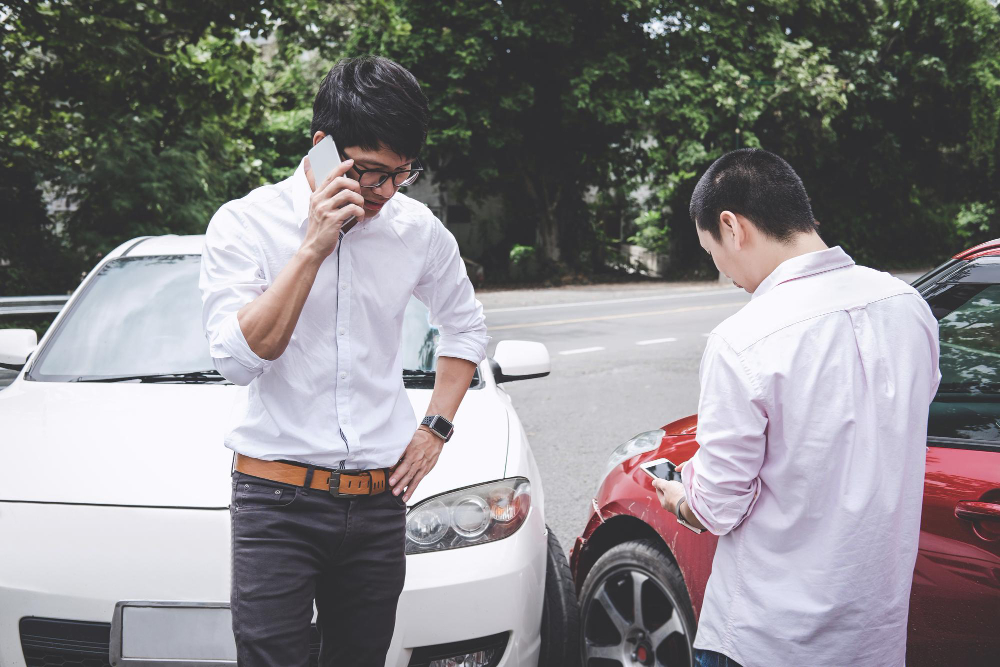
Car accidents involving pedestrians are unfortunately common and can cause serious injuries. Many people assume the driver is always to blame when a car hits a pedestrian, but that is not always the case. Sometimes, the pedestrian may share or even have full responsibility for the accident. Understanding when a pedestrian can be at fault helps both pedestrians and drivers know their rights and responsibilities. This knowledge can also be important when making claims for injury compensation or dealing with insurance companies.
Liability in pedestrian accidents depends on many factors including the behavior of the pedestrian, actions of the driver, and the specific rules of the road where the accident happened. This article explains in detail what fault means in these accidents, common cases where a pedestrian can be responsible, and answers frequently asked questions to clarify related legal issues.
What Does It Mean for a Pedestrian to Be at Fault?
Being “at fault” in a car accident means that the person’s actions contributed to causing the accident. If a pedestrian is at fault, it means the pedestrian behaved in a way that led to or made the accident more likely.
In accidents involving cars and pedestrians, fault can be shared. For example, the driver could be partly responsible if they were speeding, while the pedestrian could be partly responsible if they crossed the street wrongfully. This concept is called comparative negligence. It’s a way courts and insurance companies divide responsibility and decide how much compensation each person should receive based on their share of fault.
Fault affects compensation claims. If a pedestrian is found partly at fault, their compensation might be lowered. If they are mostly or fully at fault, they may not get any compensation at all. This is why it’s important to clearly understand fault in these accidents.
Common Situations Where a Pedestrian Can Be Found at Fault
Pedestrians must follow traffic rules just as drivers must. Sometimes, pedestrians do not behave as they should, and this can lead to accidents. Some common situations where pedestrians can be at fault include:
Jaywalking
Jaywalking means crossing the street where it is not allowed or outside a marked crosswalk. Many people do this to save time, but it can be dangerous. When a pedestrian jaywalks and a car hits them, the pedestrian might be found partly or fully at fault because they did not cross the street safely or legally. This means the pedestrian could lose some or all rights to compensation since they did not follow the rules meant to keep them safe.
Ignoring Traffic Signals
Pedestrians must follow traffic lights and signals, such as “Walk” and “Don’t Walk.” If someone crosses the street when the light says “Don’t Walk,” they are breaking the law. If they get hit by a car while crossing during the wrong signal, they can be at fault. Traffic signals help organize when it is safe to cross, and ignoring them increases the chance of an accident.
Distraction
Sometimes pedestrians are not paying full attention when crossing a road. They might be looking at their phone, wearing headphones, or talking to someone. Being distracted makes it harder to notice cars coming or changes in traffic. If a distracted pedestrian is hit by a car, they may be found partly at fault because they were not careful enough while walking near traffic.
Sudden Road Entry
If a pedestrian quickly steps into the road or runs across without warning drivers, it can cause accidents. Drivers need some time to see and stop for pedestrians. When someone suddenly enters the street without looking or waiting, they increase the chance of being hit. In such cases, the pedestrian may be blamed because they did not give drivers a fair chance to avoid the collision.
Walking While Impaired
If a pedestrian is under the influence of alcohol or drugs, their ability to judge traffic and stay safe might be worse. Walking while impaired can slow reaction time and cause poor decisions like crossing in unsafe places. If an impaired pedestrian is hit by a car, they may be found at fault since their condition contributed to the accident.
Pedestrian Car Accident: Key Legal Considerations
Contrary to popular belief, pedestrians are not always blameless in accidents even though drivers usually have the responsibility to watch for them. The law looks at the facts of each accident carefully to decide fault.
Courts and insurance companies use the principle of comparative negligence. This means fault can be split between the driver and the pedestrian. For instance, if a driver was speeding but the pedestrian was crossing illegally, both might share fault.
A pedestrian is not automatically at fault just because they were hit by a car. Many other factors like road conditions, visibility, and driver behavior play a role. This legal analysis helps ensure fairness in deciding who owes damages and compensation.
What Happens If You Hit a Pedestrian?
Stop the Vehicle Immediately
If you hit a pedestrian with your car, the very first thing you must do is stop your vehicle right away. Do not drive away or leave the scene. Staying at the accident site is required by law and shows responsibility. Leaving can lead to serious legal trouble, including criminal charges.
Make Sure Everyone Is Safe
After stopping, check if the pedestrian is conscious and breathing. If they appear hurt or unable to move, do not try to move them unless they are in immediate danger, like being in the middle of traffic. Call emergency services immediately to get medical help on the way.
Call 911 for Help
Dial 911 and report the accident to the police and emergency medical services. The police will come to the scene to make a report on what happened, and the medical team will provide any necessary care to the injured pedestrian. Even if injuries seem minor, it is important to call for help.
Exchange Information
You need to give your name, contact details, and insurance information to the pedestrian. You should also ask for the pedestrian’s contact information if possible. This exchange of details is important for insurance claims and any legal matters that may follow.
Stay Calm and Do Not Admit Fault
It is important to stay calm after the accident and avoid admitting that you were at fault. Do not argue or blame the pedestrian at the scene. Simply provide the necessary information and wait for the authorities. What really matters will be decided later based on evidence.
Document the Scene
If possible, take pictures of the accident location, your vehicle, the pedestrian’s injuries, and any damage to your car. If there are any witnesses, try to get their names and contact information. This evidence will be useful for insurance investigations or legal cases.
Follow Up With Your Insurance Company
Report the accident to your car insurance company as soon as possible. Be honest and provide the facts but avoid guessing or admitting blame. Your insurer will investigate and help decide how the claim will be handled.
Seek Legal Advice if Necessary
If there are serious injuries or legal questions, it can be helpful to consult a lawyer. An attorney can guide you through the process, protect your rights, and represent you if the case goes to court. Getting professional help early may make a big difference.
Hitting a Pedestrian With a Car: What Pedestrians and Drivers Need to Know
Both pedestrians and drivers have rights and duties when an accident happens. Drivers must operate vehicles carefully and obey traffic laws, especially near crosswalks and pedestrian zones.
Pedestrians must also follow rules like using crosswalks, obeying signals, and avoiding distractions. If either party breaks these rules, that person could be found responsible for the accident.
There are misconceptions that drivers are always at fault, but the law balances the responsibilities. Understanding these helps both parties stay safe and prepared in case of accidents.
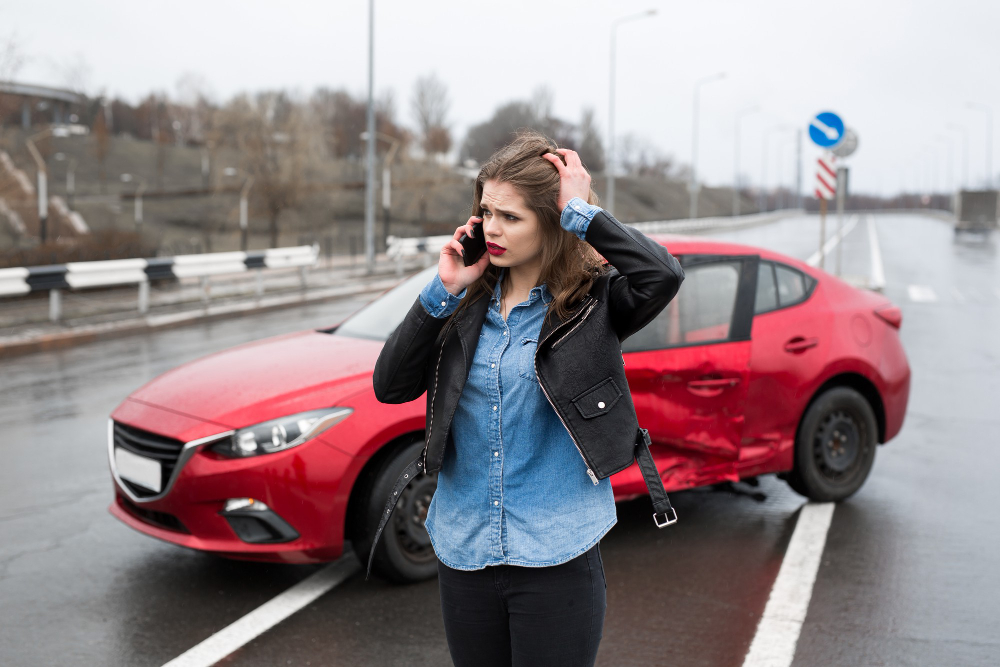
If You Hit a Pedestrian, Is It Always Your Fault?
Not necessarily. Drivers are expected to be careful, but pedestrian actions matter too. If a pedestrian suddenly runs into traffic or crosses against the light, it may reduce or remove the driver’s fault.
The exact fault depends on traffic laws, road conditions, and evidence like witness statements and camera footage. For example, a driver who was speeding or distracted may still be partly responsible even if a pedestrian made a mistake.
Each accident is unique, so fault is decided on a case-by-case basis.
How to Protect Yourself as a Pedestrian
Pedestrians can reduce the risk of accidents by following some safety practices:
- Always cross at marked crosswalks and obey traffic signals.
- Stay alert and avoid distractions like phones or headphones when near traffic.
- Wear bright or reflective clothing, especially when walking at night or in poor weather.
- Avoid walking on roads with heavy traffic when sidewalks are available.
These simple steps help both protect pedestrians and reduce legal problems if an accident happens.
Frequently Asked Questions (FAQs)
Can a pedestrian sue if they were partially at fault?
Yes, pedestrians can still file claims even if partly responsible. The compensation might be reduced according to their share of fault.
What are the penalties for jaywalking in pedestrian accidents?
This varies by location but can include fines. In accident cases, paying attention to jaywalking laws can impact legal responsibility.
How does insurance handle pedestrian fault cases?
Insurance companies investigate and apply comparative negligence rules to decide payouts. Drivers’ and sometimes pedestrians’ insurance might cover damages.
What evidence is used to determine fault in a pedestrian accident?
Evidence includes police reports, witness statements, surveillance and dashcam footage, vehicle damage, and photographs of the accident scene.
Can a driver be charged with a crime if they hit a pedestrian?
Yes, if the driver was reckless, intoxicated, or violated traffic laws, criminal charges can apply. Otherwise, it may be treated as a civil matter.
What should a pedestrian do immediately after an accident?
Call emergency services, seek medical help, exchange information with the driver, and document the scene if possible.
How does walking while impaired affect legal liability?
Walking under the influence can increase pedestrian fault and reduce or bar compensation claims.
Can pedestrians be held financially responsible for a car accident?
Yes, if they are found to share fault, pedestrians may be responsible for some damages, reducing their compensation or facing liability.This detailed guide helps clarify when a pedestrian may be at fault in car accidents and highlights the responsibilities of all parties involved. Knowing these points can help individuals stay safe on the road and understand their rights if an accident happens. It also prepares them for dealing effectively with legal and insurance processes.
Injured in Car Accident due to Pedestrian ? Contact Us Today
If injured in a car accident caused by a pedestrian in Chicago, don’t wait to get the help needed. Contact Phillips Law Offices today to speak with experienced Chicago pedestrian accident lawyer who will fight for your rights and make sure you get the compensation you deserve. Our team understands how stressful these cases can be and will guide you every step of the way.
Call Phillips Law Offices now for a free consultation. We offer:
- Skilled personal injury lawyers with a strong track record
- No fees unless we recover money for you
- Personalized attention to your case
Let us help you protect your future and get justice for your injuries. Call (312) 346-4262 or visit phillipslawoffices.com today.
Interesting Reads:
Pedestrian Car Accident Consequences