
If you were hurt while performing your job in Chicago, you may be wondering whether your injury qualifies for workers’ compensation benefits. Most injuries and illnesses that occur because of your job or while you are performing work-related duties can qualify for workers’ compensation in Illinois. Workers’ compensation is designed to provide benefits to employees who suffer injuries, develop occupational illnesses, or experience medical conditions that are connected to their work. However, not every injury automatically qualifies, and proving that the injury is work-related is often one of the most important parts of a successful claim. Understanding which injuries may be covered can help injured workers protect their rights and seek the benefits they deserve.
For many Chicago workers, a workplace injury creates immediate concerns. Medical bills can begin piling up, time away from work can reduce household income, and uncertainty about recovery can create significant stress. Workers’ compensation exists to help employees during these difficult situations by providing access to medical treatment and wage replacement benefits when appropriate.
Understanding Workers’ Compensation in Chicago
Workers’ compensation is a system designed to protect employees who are injured while performing their job duties. Unlike a traditional personal injury lawsuit, workers’ compensation generally does not require an employee to prove that the employer was negligent.
Instead, the focus is usually on whether the injury or illness is connected to the employee’s work activities.
Chicago workers perform jobs in a wide range of industries. Some employees work in construction, manufacturing, transportation, healthcare, and warehousing. Others work in offices, retail stores, restaurants, schools, and professional environments.
Regardless of the industry, workplace injuries can happen almost anywhere. Some occur suddenly because of accidents, while others develop gradually over time due to repetitive work activities.
Workers’ compensation may be available in both situations if the injury is related to the employee’s job.
Traumatic Injuries Often Qualify
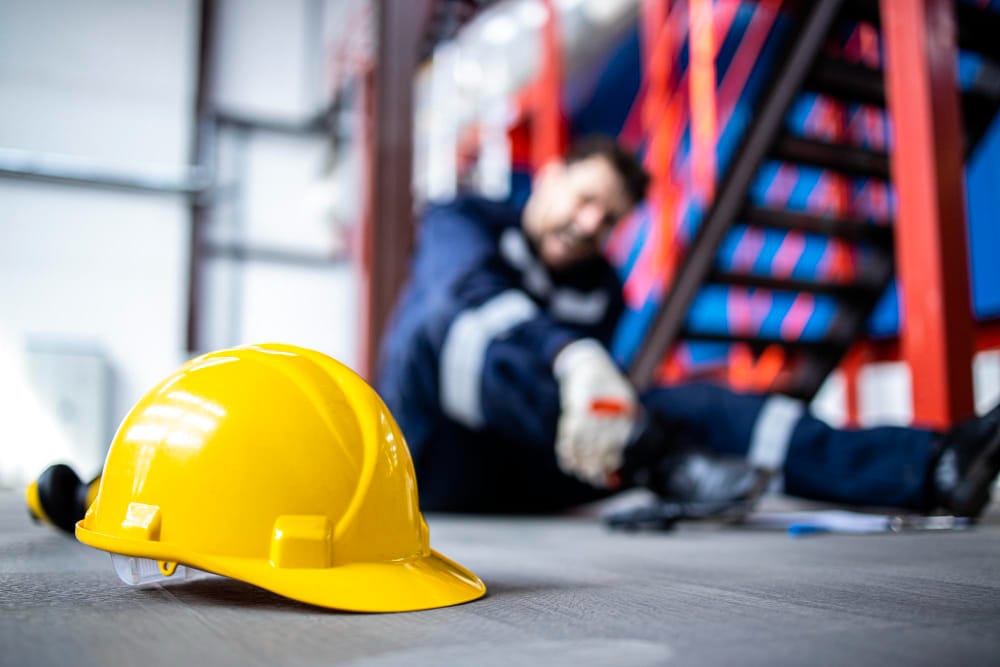
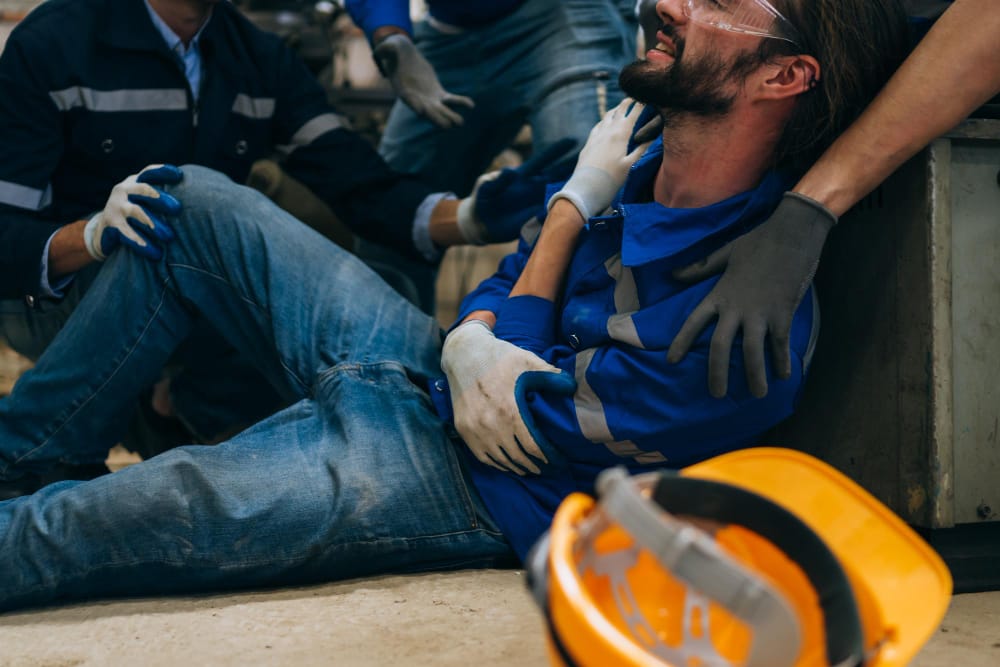
Many workers’ compensation claims involve sudden accidents that cause immediate injuries.
These incidents may occur when a worker falls from a ladder, slips on a wet floor, is struck by equipment, or is involved in a vehicle accident while performing job duties.
Traumatic injuries often include broken bones, fractures, head injuries, back injuries, neck injuries, shoulder injuries, knee injuries, and severe cuts or lacerations.
Construction workers in Chicago frequently face risks associated with falls, falling objects, heavy machinery, and dangerous work environments. Warehouse workers may suffer injuries while lifting heavy materials or operating equipment. Delivery drivers may be injured in motor vehicle accidents while making deliveries.
When these injuries occur during the course of employment, workers’ compensation benefits may be available to help cover medical expenses and lost wages.
Back Injuries Are Among the Most Common Workplace Injuries
Back injuries are one of the leading reasons workers file workers’ compensation claims.
Many jobs require lifting, carrying, bending, twisting, or standing for extended periods. These activities can place significant stress on the spine and surrounding muscles.
A worker may suffer a herniated disc while lifting a heavy object. Another employee may experience chronic lower back pain after years of physically demanding work.
Even office workers can develop back problems from poor ergonomics, prolonged sitting, or repetitive movements.
Back injuries can range from relatively minor strains to severe spinal conditions that require surgery and long-term rehabilitation. Because these injuries often interfere with a person’s ability to work, workers’ compensation benefits can play a critical role during recovery.
Repetitive Stress Injuries May Also Be Covered
Not all workplace injuries occur because of a single accident.
Many workers develop medical conditions over time because they repeatedly perform the same motions day after day. These conditions are commonly referred to as repetitive stress injuries.
Employees who spend hours typing on computers may develop wrist, hand, or arm problems. Factory workers who perform repetitive assembly tasks may experience joint and tendon injuries. Healthcare workers who frequently lift patients may develop chronic musculoskeletal conditions.
One of the most recognized repetitive stress injuries is carpal tunnel syndrome. This condition affects the wrist and can cause pain, numbness, tingling, and weakness.
Workers’ compensation may cover repetitive stress injuries when medical evidence shows that the condition is related to job duties.
Head and Brain Injuries Can Have Serious Consequences
Head injuries are among the most serious workplace injuries.
A worker who falls from a height, is struck by equipment, or is involved in a vehicle accident may suffer a concussion or traumatic brain injury.
Some brain injuries heal relatively quickly, while others can cause long-term complications affecting memory, concentration, speech, balance, and emotional well-being.
Because symptoms may not always appear immediately, prompt medical evaluation is important after any workplace accident involving a head injury.
Workers’ compensation benefits may help cover treatment costs and provide financial support if the injury prevents the worker from returning to their job.
Occupational Illnesses May Qualify for Benefits
Workers’ compensation is not limited to physical injuries caused by accidents.
Many workers develop illnesses because of exposure to harmful substances or dangerous working conditions.
Employees may be exposed to chemicals, dust, fumes, asbestos, toxic materials, or other hazardous substances while performing their jobs.
Some occupational illnesses develop quickly, while others may take years to appear.
Respiratory diseases, lung conditions, skin disorders, and certain forms of cancer may be linked to workplace exposure under specific circumstances.
Establishing the connection between the illness and the workplace can sometimes be challenging, but workers who develop job-related illnesses may still qualify for benefits.
Injuries Caused by Workplace Falls
Falls are a major cause of workplace injuries throughout Chicago.
Construction sites, warehouses, office buildings, retail stores, and healthcare facilities can all present slip, trip, and fall hazards.
A worker may fall from scaffolding, trip over equipment, slip on ice in a parking lot, or fall because of a hazardous walking surface.
These incidents can result in fractures, spinal injuries, head trauma, torn ligaments, and other serious medical conditions.
Falls often require extensive medical treatment and may leave workers unable to perform their regular job duties for extended periods.
Workplace Vehicle Accidents
Many employees spend part of their workday operating vehicles.
Delivery drivers, sales representatives, transportation workers, utility employees, and many others travel as part of their jobs.
When a worker is injured in a motor vehicle accident while performing work-related duties, workers’ compensation benefits may apply.
These accidents can result in severe injuries, including broken bones, neck injuries, back injuries, traumatic brain injuries, and internal organ damage.
Because vehicle accidents often involve multiple insurance issues, injured workers should understand all potential sources of compensation available to them.
Psychological Injuries May Be Compensable in Certain Situations
Physical injuries are not the only workplace conditions that may qualify for benefits.
In some cases, workers experience serious psychological injuries connected to traumatic workplace events.
Employees who witness violent incidents, suffer severe workplace trauma, or experience extraordinary psychological stress related to their jobs may develop conditions such as anxiety, depression, or post-traumatic stress disorder.
These cases can be more complex than traditional injury claims because additional medical evidence is often required.
However, psychological injuries should not be overlooked simply because they are not visible.
Mental health conditions can have a significant impact on a person’s ability to work and maintain daily activities.
What Injuries May Not Qualify?
While workers’ compensation covers many workplace injuries, there are situations where benefits may not be available.
Generally, injuries that occur entirely outside of work duties may not qualify. Injuries caused by intentional misconduct, criminal activity, or certain violations of workplace policies may also create complications.
Each case is unique, and determining eligibility often depends on the specific facts surrounding the incident.
Workers should avoid assuming that a claim will automatically be denied without first speaking with an experienced attorney.
Why Proving the Work Connection Is So Important
One of the most important aspects of any workers’ compensation claim is demonstrating that the injury is related to employment.
For obvious accidents, such as a fall on a construction site, the connection may be relatively straightforward.
For repetitive stress injuries or occupational illnesses, additional medical evidence may be necessary.
Medical records, accident reports, witness statements, employment records, and expert opinions can all help establish that an injury arose from work-related activities.
Building strong evidence early often improves the chances of a successful claim.
Why Some Workers Face Challenges With Claims
Unfortunately, not every workers’ compensation claim is approved immediately.
Employers and insurance companies may dispute whether an injury occurred at work, question the severity of the condition, or argue that a medical issue existed before the workplace incident.
These disputes can delay benefits and create additional stress for injured workers.
Having legal representation can be especially valuable when claims are challenged or denied.
An experienced attorney can gather evidence, communicate with insurance companies, and advocate for the worker’s rights throughout the process.
How Phillips Law Offices Helps Injured Workers
At Phillips Law Offices, we understand how disruptive a workplace injury can be.
Many injured workers are concerned about paying bills, supporting their families, and obtaining the medical treatment they need. The workers’ compensation process can feel overwhelming, particularly when employers or insurance companies challenge a claim.
Our attorneys work closely with injured workers throughout Chicago to evaluate their cases, gather supporting evidence, and pursue the benefits they deserve. We understand the complexities of Illinois workers’ compensation law and are committed to protecting the rights of injured employees.
Whether your injury resulted from a sudden accident, repetitive work activities, exposure to hazardous substances, or another workplace event, our legal team can help you understand your options.
Contact a Chicago Workers’ Compensation Attorney Today at Phillips Law Offices
If you suffered a workplace injury in Chicago and are unsure whether it qualifies for workers’ compensation benefits, do not wait to seek legal guidance. The sooner you understand your rights, the better prepared you will be to protect your health, your income, and your future.
The experienced legal team at Phillips Law Offices is dedicated to helping injured workers navigate the workers’ compensation process and pursue the benefits they need during recovery. We can evaluate your situation, explain your legal options, and help you move forward with confidence.
Contact a Chicago workers’ compensation attorney today at Phillips Law Offices for a free consultation and learn how we can help you pursue the benefits and compensation you deserve after a work-related injury.