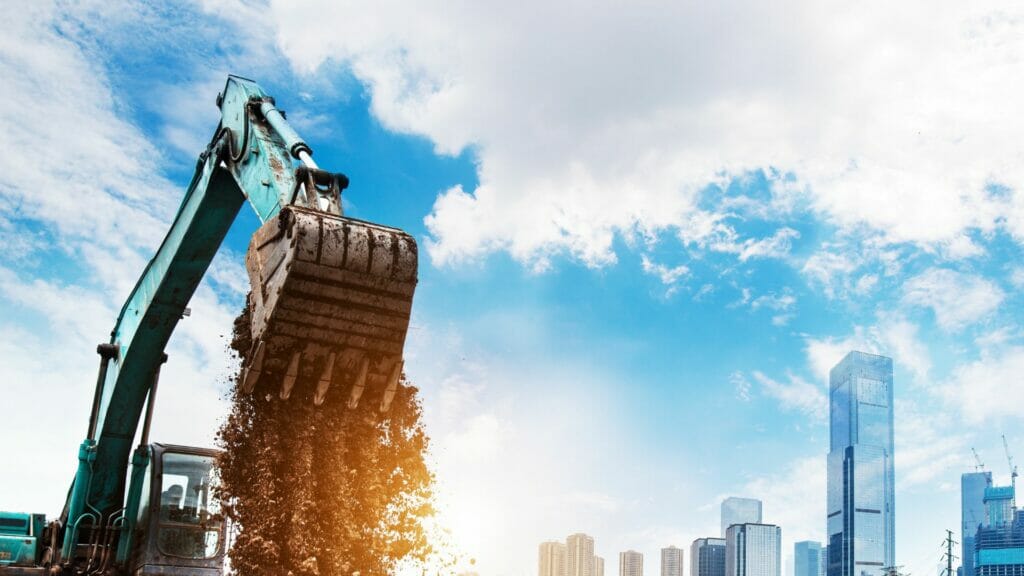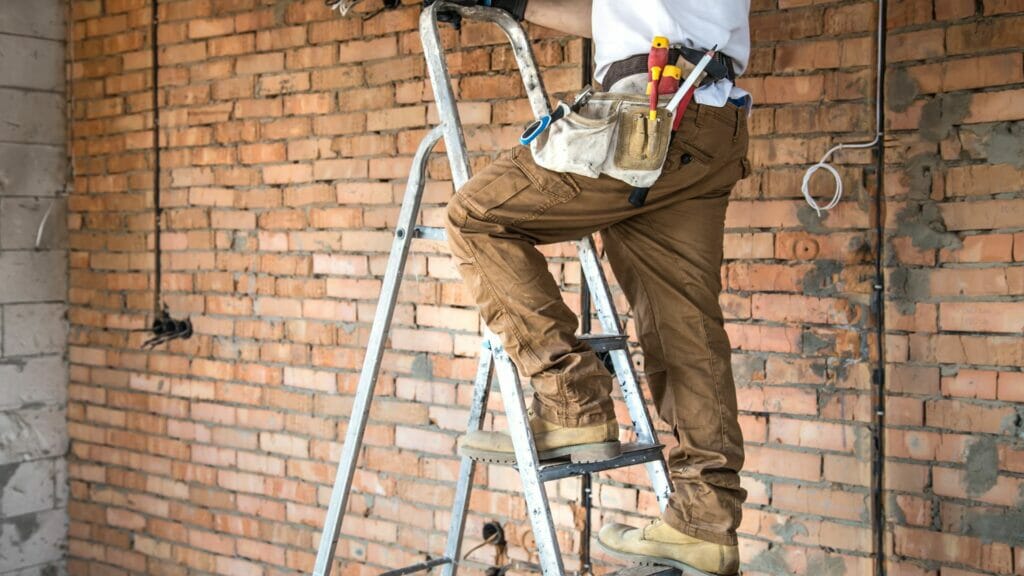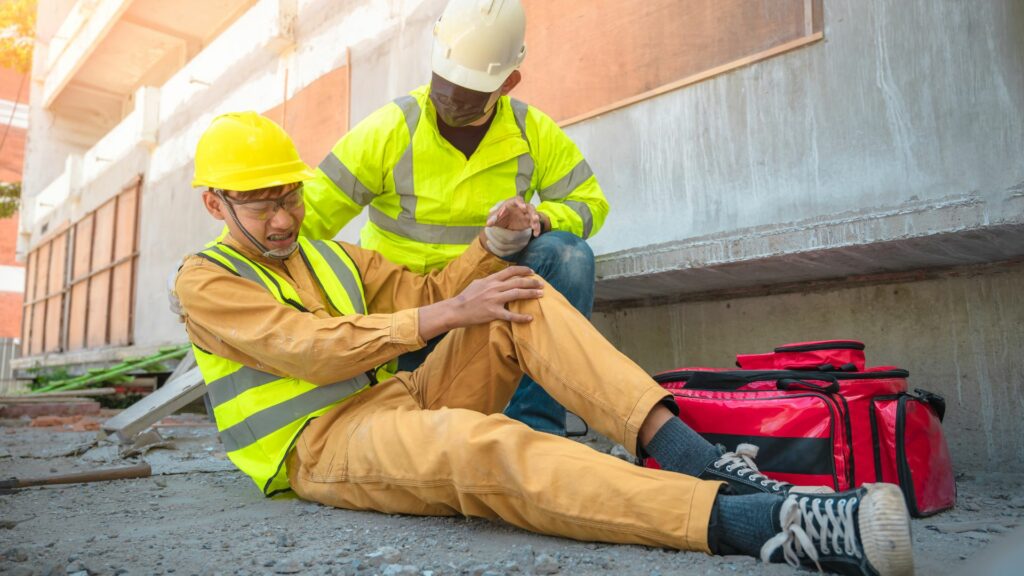

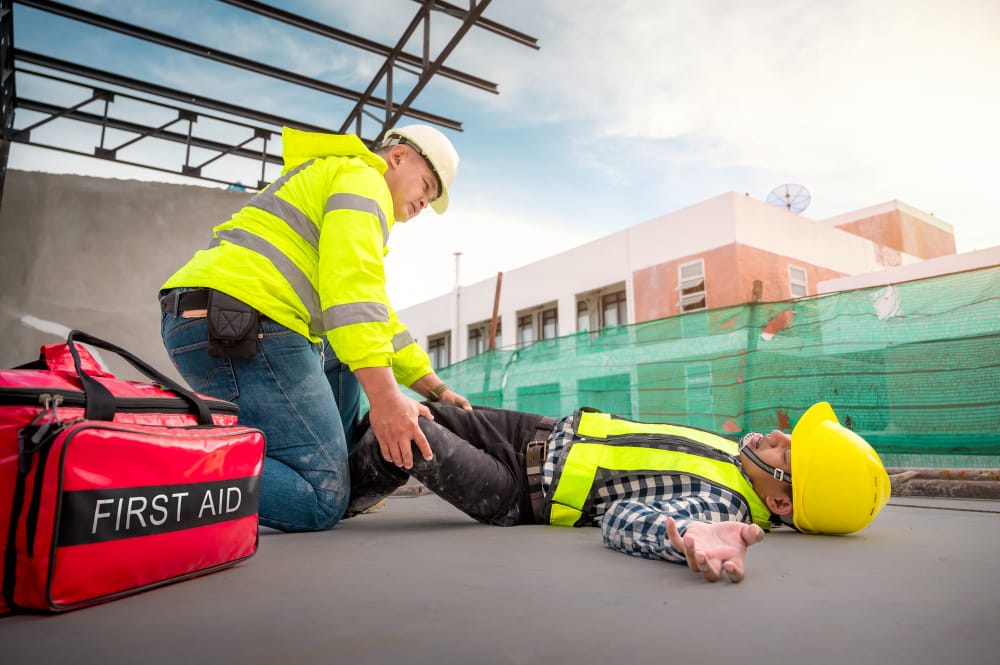
Construction sites are essential to building new homes, offices, roads, bridges, and commercial developments, but they are also some of the most dangerous workplaces in the United States. Every day, thousands of workers perform physically demanding jobs while operating heavy machinery, working at significant heights, handling electricity, and moving through constantly changing environments. When proper safety measures are ignored, even a routine task can turn into a life-changing accident within seconds. Construction accidents often lead to severe injuries, permanent disabilities, lost wages, emotional trauma, and, in the worst cases, wrongful death.
Chicago remains one of the busiest construction markets in the Midwest, with residential towers, commercial developments, transportation improvements, and infrastructure projects underway throughout the city. While these projects support economic growth, they also expose workers to significant risks if contractors, subcontractors, or property owners fail to follow workplace safety regulations. Federal safety agencies continue to identify falls, electrocutions, struck-by incidents, and caught-in-between accidents as the leading causes of fatal construction injuries. Many of these tragedies are entirely preventable when employers comply with OSHA regulations, provide proper training, inspect equipment regularly, and create a culture that prioritizes worker safety.
Why Construction Sites Are Among the Most Dangerous Workplaces
Construction work combines multiple high-risk activities into a single environment, making it one of the most hazardous industries in the country. Unlike office jobs or manufacturing facilities where workspaces are relatively predictable, construction sites change daily. New equipment arrives, scaffolding is erected or dismantled, trenches are excavated, electrical systems are installed, and workers from multiple subcontractors perform different tasks simultaneously. This constant movement creates hazards that can easily be overlooked if proper planning and communication are missing. Even experienced workers can encounter unexpected dangers when another contractor’s activities affect their work area.
Weather conditions add another layer of complexity, particularly in Chicago, where workers often face freezing temperatures, snow, ice, strong winds, and heavy rain. Slippery surfaces increase the likelihood of falls, while high winds can destabilize cranes, scaffolding, and suspended loads. Summer brings its own risks, including heat exhaustion and dehydration, which can impair judgment and slow reaction times. These environmental factors require employers to adapt safety protocols continuously rather than relying on one-size-fits-all procedures.
Construction projects also involve numerous parties, including general contractors, subcontractors, architects, engineers, equipment manufacturers, suppliers, and property owners. When responsibilities overlap or communication breaks down, hazards may go unaddressed. For example, one subcontractor may leave debris in a walkway while another crew works overhead, creating multiple risks at once. Without effective site management and strict compliance with Occupational Safety and Health Administration (OSHA) standards, preventable accidents become much more likely. This is one reason why serious construction accident investigations often reveal multiple contributing factors rather than a single isolated mistake.
Understanding Construction Accident Risks in Chicago
Chicago’s booming construction industry means thousands of workers report to active job sites every day. From high-rise developments in the Loop to residential projects throughout the city’s neighborhoods and major highway improvements across Cook County, workers regularly encounter complex and dangerous working conditions. Large urban construction projects often involve congested work zones, nearby vehicle traffic, overhead utility lines, multiple contractors, and strict project deadlines. While these projects contribute to the city’s growth, they also create numerous opportunities for workplace accidents when safety takes a back seat to productivity.
Illinois employers are legally obligated to provide reasonably safe workplaces, proper safety equipment, and adequate employee training. OSHA regulations establish minimum standards for fall protection, excavation safety, electrical work, crane operations, scaffolding, personal protective equipment, and hazard communication. Unfortunately, investigations following serious accidents frequently reveal violations such as missing guardrails, defective ladders, inadequate fall arrest systems, poor supervision, or unsafe machinery. These failures often expose workers to risks that could have been eliminated with proper planning and compliance.
Construction accidents can have devastating financial consequences for injured workers and their families. Medical expenses accumulate quickly, lost wages create financial hardship, and severe injuries may prevent victims from returning to their previous occupations. While workers’ compensation benefits may provide medical coverage and partial wage replacement, they do not always fully compensate victims for their losses. In many cases, injured workers may also have the right to pursue third-party personal injury claims against negligent contractors, equipment manufacturers, or other responsible parties.
Why Chicago Construction Projects Present Unique Hazards
Chicago presents several unique construction challenges that increase workplace risks. The city’s aging infrastructure often requires renovation rather than new construction, exposing workers to unstable structures, deteriorated materials, and hidden utility lines. Historic building restoration projects frequently involve confined spaces, asbestos removal, lead paint hazards, and structural modifications that require exceptional care and planning.
The city’s dense urban environment also means construction sites operate near pedestrians, cyclists, buses, trains, and heavy traffic. Deliveries, crane operations, and demolition activities must be carefully coordinated to avoid harming workers and the public. High-rise construction introduces additional fall hazards because employees routinely work dozens of stories above ground while handling heavy materials and specialized equipment.
Chicago’s rapidly changing weather further complicates construction safety. Winter ice increases slip-and-fall risks, spring storms weaken excavation walls, summer heat contributes to fatigue, and strong winds make crane operations more dangerous. Successful contractors recognize these hazards and adjust their safety procedures accordingly rather than treating weather as an unavoidable inconvenience.
The Most Common Causes of Construction Site Accidents
Construction accidents rarely happen because of simple bad luck. Most serious incidents can be traced to identifiable hazards, inadequate safety planning, insufficient training, defective equipment, or violations of established workplace safety standards. Understanding these common causes not only helps workers recognize dangerous conditions but also enables employers to implement preventive measures that reduce injuries and save lives. OSHA consistently identifies several recurring accident categories responsible for the majority of serious injuries and fatalities across the construction industry.
Many workplace accidents occur because multiple hazards exist simultaneously. A worker may be operating defective equipment while standing on unstable scaffolding during poor weather conditions, dramatically increasing the likelihood of injury. Tight deadlines, labor shortages, and pressure to complete projects quickly can also encourage shortcuts that compromise worker safety. Although construction work inherently involves some level of risk, most catastrophic accidents are preventable when employers prioritize safety over speed and profits.
Recognizing these hazards is particularly important for workers in Chicago, where large commercial developments, road construction, and infrastructure projects expose employees to diverse and constantly changing dangers. The following sections examine the leading causes of construction site accidents and explain why they remain persistent safety concerns despite decades of regulatory oversight.
Falls From Heights
Falls remain the leading cause of fatal construction accidents in the United States and account for a significant percentage of serious injuries every year. Construction workers routinely perform tasks on rooftops, ladders, scaffolding, aerial lifts, steel beams, and elevated platforms. Even a relatively short fall can result in broken bones, traumatic brain injuries, spinal cord damage, or permanent disability. Falls from greater heights are frequently fatal, particularly when workers lack proper fall protection systems.
Many fall-related accidents occur because employers fail to install guardrails, provide functioning personal fall arrest systems, inspect scaffolding, or ensure that ladders are used correctly. Workers may also remove safety harnesses because they restrict movement or slow productivity, especially when supervisors fail to enforce safety policies consistently. Wet surfaces, uneven footing, loose materials, and poor lighting further increase fall risks, particularly during Chicago’s harsh winter months.
Preventing falls requires more than simply providing safety equipment. Employers must conduct regular inspections, train employees to identify hazards, enforce OSHA-compliant fall protection policies, and ensure that every worker understands how to use safety equipment correctly. Regular maintenance of scaffolding, ladders, anchor points, and elevated work platforms plays a critical role in reducing preventable fall injuries. When employers neglect these responsibilities, injured workers may have legal options beyond workers’ compensation, particularly if negligence by another party contributed to the accident.
Struck-by Object Accidents
Being struck by a falling, swinging, rolling, or flying object is another leading cause of serious construction injuries and fatalities. Construction sites are constantly moving environments where materials are lifted by cranes, transported by forklifts, hoisted to elevated floors, and carried manually by workers. Without proper planning and communication, tools, building materials, equipment, or debris can unexpectedly fall or shift, striking workers below. Even relatively small objects can cause catastrophic injuries when dropped from significant heights.
One of the most common struck-by incidents involves unsecured tools falling from scaffolding or elevated work platforms. A wrench, hammer, or power tool dropped from several stories can generate enough force to cause traumatic brain injuries or death, even if the worker below is wearing a hard hat. Similarly, improperly secured building materials such as steel beams, concrete blocks, lumber, or pipes may slide or fall during lifting operations. Crane loads that are not properly balanced or secured can swing unexpectedly, placing workers in dangerous positions. These risks become even greater when multiple subcontractors are working simultaneously in the same area without coordinated safety planning.
Vehicle-related struck-by accidents are equally dangerous. Dump trucks, excavators, bulldozers, skid steers, forklifts, and delivery vehicles frequently operate in confined work zones where visibility is limited. Blind spots, inadequate spotters, poor traffic control, and distracted operators contribute to collisions involving pedestrians and equipment. Workers directing traffic or performing road construction in Chicago are particularly vulnerable because they often work just feet away from moving vehicles traveling at high speeds. Temporary lane closures, distracted drivers, and poor weather conditions can all increase the likelihood of devastating accidents.
Preventing struck-by incidents requires strict enforcement of exclusion zones, proper use of personal protective equipment, regular inspection of lifting equipment, and clear communication among workers. Employers should require tools to be secured with lanyards when working at heights, establish designated material storage areas, and ensure that crane operators are properly certified. OSHA also recommends high-visibility clothing for workers operating near heavy equipment and traffic. When contractors fail to implement these precautions, preventable accidents often occur, leaving injured workers with long recoveries and significant financial losses.
Electrocution and Electrical Hazards
Electricity is one of the least visible yet most dangerous hazards on construction sites. Unlike moving machinery or elevated work areas, electrical hazards often cannot be seen until it is too late. Workers may unknowingly come into contact with energized wires, damaged extension cords, improperly grounded equipment, or overhead power lines. Even low-voltage electrical systems can cause severe burns, cardiac arrest, nerve damage, or fatal injuries under certain conditions.
Electrical accidents frequently occur during renovation projects when hidden wiring remains energized despite ongoing work. Temporary power installations, exposed wiring, overloaded circuits, and defective generators also create dangerous conditions. Rain, standing water, and damp weather significantly increase electrical risks because moisture improves conductivity. Chicago’s unpredictable weather means construction workers often perform tasks in wet environments where extra precautions are essential.
Heavy equipment presents another significant electrical hazard. Cranes, boom lifts, concrete pumps, and dump trucks may accidentally contact overhead power lines during lifting operations. These incidents can energize the entire machine, placing both operators and nearby workers at extreme risk. OSHA establishes minimum clearance distances from energized power lines, yet violations continue to contribute to serious injuries every year.
Employers have a legal responsibility to implement lockout/tagout procedures, inspect electrical systems regularly, provide ground-fault circuit interrupters (GFCIs), and train workers to recognize electrical hazards. Licensed electricians should perform electrical installations and repairs, while damaged cords and tools must be removed from service immediately. Workers should never assume a wire is de-energized without proper testing. Careful planning, regular inspections, and strict compliance with OSHA electrical safety standards can prevent many of these life-threatening accidents.
Caught-In or Between Machinery
Caught-in or caught-between accidents are among the most violent incidents that occur on construction sites. These accidents happen when workers become trapped, crushed, compressed, pinched, or pulled into machinery, equipment, structural components, or collapsing materials. The immense forces involved often result in amputations, crushing injuries, internal organ damage, spinal cord injuries, or fatalities.
Heavy machinery is responsible for many caught-between incidents. Excavators, compactors, loaders, conveyors, forklifts, and concrete mixers contain powerful moving parts capable of trapping clothing, limbs, or entire bodies within seconds. Missing machine guards, disabled safety devices, inadequate maintenance, or operator error frequently contribute to these tragedies. Workers attempting maintenance without properly shutting down equipment also face serious risks if machinery unexpectedly restarts.
Construction workers are also vulnerable when working between moving vehicles and fixed structures. A worker guiding a truck into position may become pinned between the vehicle and a wall, while another employee working near heavy equipment could be crushed if communication between operators and ground personnel breaks down. Poor visibility, congested job sites, and lack of designated pedestrian pathways increase these risks considerably.
Employers can significantly reduce caught-between accidents by enforcing lockout/tagout procedures, maintaining machine guards, establishing clear communication protocols, and separating pedestrian traffic from heavy equipment operations whenever possible. Workers should never bypass safety features or enter hazardous areas without proper authorization. Regular safety meetings and equipment inspections play an important role in identifying potential hazards before serious injuries occur.
Unsafe Equipment and Machinery Failures
Construction projects rely on countless pieces of specialized equipment every day. Cranes, aerial lifts, forklifts, compressors, concrete saws, nail guns, generators, excavators, and scaffolding systems all perform essential functions. When properly maintained, these machines improve productivity and worker safety. However, defective equipment or inadequate maintenance can quickly transform valuable tools into dangerous hazards.
Mechanical failures may occur because equipment is old, poorly maintained, overloaded, or improperly repaired. Hydraulic system failures can cause aerial lifts to collapse unexpectedly. Defective brakes may prevent heavy equipment from stopping in time to avoid collisions. Worn cables, damaged hooks, or malfunctioning crane components can cause suspended loads to fall without warning. Even seemingly minor defects, such as loose bolts or worn tires, may contribute to catastrophic accidents when left unaddressed.
Improper equipment operation is another common cause of serious injuries. Workers who lack adequate training may misuse machinery, exceed weight limits, disable safety features, or attempt tasks beyond the equipment’s intended purpose. Employers should ensure that only qualified and authorized personnel operate specialized machinery. Daily pre-use inspections, preventive maintenance schedules, and immediate removal of defective equipment from service are all essential components of an effective safety program.
When machinery fails because of manufacturing defects, negligent maintenance, or improper repairs, responsibility may extend beyond the employer. Equipment manufacturers, rental companies, maintenance contractors, or other third parties may share liability depending on the circumstances. These cases often require thorough investigations to determine exactly why the equipment failed and whether the accident could have been prevented.
Lack of Safety Training
One of the most preventable causes of construction site accidents is inadequate safety training. Construction work involves a wide variety of specialized tasks that require workers to understand not only how to perform their jobs efficiently but also how to recognize and avoid hazards. When employers rush new hires onto active job sites without proper instruction, the risk of serious injury increases dramatically. Even experienced construction workers need ongoing training because safety standards, equipment, and job site conditions continually evolve.
Safety training should begin before an employee performs any work and continue throughout the duration of the project. Workers need to understand fall protection requirements, ladder safety, scaffold use, lockout/tagout procedures, electrical hazard awareness, trench safety, equipment operation, emergency evacuation plans, and proper use of personal protective equipment (PPE). OSHA also emphasizes hazard communication, ensuring employees know how to identify dangerous substances, warning labels, and workplace safety signage. Without this knowledge, workers may unknowingly place themselves and their coworkers in dangerous situations.
Language barriers present another challenge on many construction sites, particularly in large metropolitan areas like Chicago, where diverse workforces are common. Employers cannot simply distribute English-language safety manuals if a significant portion of the workforce speaks another language. Effective safety programs include multilingual instruction, visual demonstrations, hands-on training, and frequent refresher courses to ensure every worker understands the risks associated with their tasks.
Unfortunately, production deadlines sometimes tempt contractors to prioritize speed over education. New workers may learn by observing others rather than receiving formal instruction, creating inconsistencies and increasing the likelihood of unsafe practices. Supervisors who fail to correct dangerous behaviors or enforce established safety rules contribute to a culture where shortcuts become normalized. Proper training is an investment that saves lives, reduces injuries, improves productivity, and minimizes costly project delays resulting from workplace accidents.
Poor Site Housekeeping
Good housekeeping may sound like a minor issue compared to operating cranes or working hundreds of feet above the ground, but it plays a critical role in construction safety. Cluttered work areas create trip hazards, obstruct emergency exits, hide dangerous materials, and make it difficult for workers to move safely throughout the job site. Many seemingly minor injuries begin with poor housekeeping practices that allow hazards to accumulate over time.
Construction sites generate large amounts of debris, including scrap lumber, nails, metal pieces, broken concrete, discarded packaging, electrical cords, hoses, and unused materials. When these items are left scattered across walkways, workers can trip, slip, or lose their balance while carrying heavy equipment. A simple fall caused by construction debris can lead to broken bones, head injuries, or falls from elevated platforms. Loose materials can also become projectiles when struck by vehicles or equipment, creating additional hazards for nearby workers.
Poor housekeeping also increases fire risks. Flammable materials stored near ignition sources, improperly disposed oily rags, overloaded temporary electrical systems, and accumulated combustible dust can all contribute to workplace fires or explosions. Maintaining organized storage areas, promptly removing waste materials, and keeping emergency access routes clear significantly reduce these risks. Employers should establish daily cleanup procedures rather than waiting until the end of a project to address accumulating debris.
An organized construction site also improves communication and efficiency. Workers spend less time navigating obstacles, equipment operators have better visibility, and emergency responders can reach injured employees more quickly if an accident occurs. Simple housekeeping practices, when consistently enforced, eliminate countless hazards before they develop into serious workplace injuries.
Trench and Excavation Collapses
Excavation work remains one of the deadliest activities in the construction industry. Trenches are essential for installing utilities, sewer systems, foundations, and underground infrastructure, but they can become deadly when proper protective systems are not used. Soil is deceptively heavy, and even a relatively small trench collapse can bury workers beneath thousands of pounds of earth within seconds. Victims often suffer crushing injuries, suffocation, or fatal internal trauma before rescuers can reach them.
Many trench accidents occur because contractors underestimate soil instability or attempt to save time by skipping required protective measures. OSHA requires trenches of certain depths to be protected using sloping, benching, trench boxes, or shoring systems, depending on soil conditions and project requirements. A competent person should inspect excavations daily and after weather events that may affect stability. Heavy rain, nearby vibrations from traffic or equipment, and previously disturbed soil can all weaken trench walls without obvious warning signs.
Chicago’s infrastructure projects frequently involve excavation work near busy roads, utilities, and existing buildings. These conditions create additional hazards, including underground utility strikes, water infiltration, unstable adjacent structures, and limited escape routes. Workers entering trenches should always have safe access and egress, atmospheric testing when required, and continuous monitoring for changing conditions. Employers who ignore these responsibilities expose workers to unnecessary and often fatal risks.
Because trench collapses happen so quickly, survival often depends on prevention rather than rescue. Emergency response teams generally advise against coworkers attempting unplanned rescue efforts because secondary collapses frequently injure additional workers. Comprehensive planning, engineering controls, and daily inspections remain the most effective methods of preventing excavation tragedies.
Crane and Heavy Equipment Accidents
Modern construction would be impossible without cranes and heavy equipment. Tower cranes, mobile cranes, excavators, bulldozers, loaders, forklifts, and aerial lifts perform tasks that would otherwise require enormous manual labor. While these machines greatly improve productivity, they also introduce significant hazards when operated improperly or maintained inadequately.
Crane accidents are particularly dangerous because of the enormous loads involved. Improper rigging, overloaded cranes, unstable ground conditions, equipment failures, or operator errors can cause loads to fall unexpectedly or cranes to tip over. High winds present an additional concern in Chicago, where weather conditions can change rapidly. Even experienced operators must carefully evaluate wind speeds before lifting heavy materials, especially during high-rise construction projects.
Heavy equipment collisions also remain a leading source of workplace injuries. Equipment operators often have limited visibility due to blind spots created by large machinery. Workers on foot may unknowingly enter hazardous areas, particularly when backup alarms are ignored or communication between operators and ground personnel breaks down. Spotters, designated travel paths, high-visibility clothing, and clearly marked exclusion zones significantly reduce these risks.
Proper operator certification, equipment inspections, preventive maintenance, and adherence to manufacturer operating guidelines are essential for safe equipment operation. Employers should never allow unqualified workers to operate specialized machinery simply because experienced operators are unavailable. Every heavy equipment accident deserves a thorough investigation to identify contributing factors and prevent similar incidents from occurring in the future.
OSHA’s Fatal Four and Why They Matter
The Occupational Safety and Health Administration (OSHA) identifies four categories of accidents that consistently account for the majority of fatal construction injuries. These hazards are commonly referred to as the “Fatal Four.” They include falls, struck-by objects, electrocutions, and caught-in or between incidents. According to OSHA, eliminating these four hazards alone could prevent hundreds of worker fatalities each year.
| OSHA Fatal Four | Common Examples | Prevention Methods |
|---|---|---|
| Falls | Roof falls, scaffold falls, ladder accidents | Guardrails, safety harnesses, fall arrest systems |
| Struck-by Objects | Falling tools, swinging crane loads, vehicle impacts | Hard hats, exclusion zones, proper rigging |
| Electrocutions | Power lines, exposed wiring, faulty equipment | Lockout/tagout, GFCIs, electrical inspections |
| Caught-In/Between | Machinery, trench collapses, crushing injuries | Machine guards, trench protection, lockout procedures |
The Fatal Four are significant because they highlight recurring hazards that have been extensively studied and are largely preventable. OSHA regulations specifically address these risks, providing employers with detailed guidance on compliance and accident prevention. When investigations reveal violations involving one or more Fatal Four hazards, those findings may become important evidence in both workers’ compensation and third-party personal injury claims.
Construction companies that emphasize continuous safety education, proactive hazard identification, and strict regulatory compliance often experience significantly lower injury rates. Safety should never be viewed as an obstacle to productivity; instead, it serves as the foundation for successful project completion and long-term workforce protection.
Need help after a construction accident in Chicago?
If you or a loved one has been injured on a construction site due to unsafe working conditions, defective equipment, or another party’s negligence, experienced legal representation can make a significant difference. Phillips Law Offices has represented injured Illinois workers for decades and can evaluate whether you may be entitled to workers’ compensation benefits, a third-party injury claim, or both.
Contact an experienced Construction Accident Attorney in Chicago today for a free consultation. An attorney can investigate the accident, preserve critical evidence, identify all potentially liable parties, negotiate with insurance companies, and fight to recover compensation for medical expenses, lost wages, pain and suffering, disability, and other damages.
Construction Accident Statistics
Construction remains one of the most hazardous industries in the United States despite significant improvements in workplace safety regulations over the past several decades. According to the U.S. Bureau of Labor Statistics (BLS) and the Occupational Safety and Health Administration (OSHA), hundreds of construction workers lose their lives each year, while tens of thousands more suffer serious injuries that require hospitalization or result in permanent disabilities. These numbers demonstrate that workplace hazards continue to pose a significant threat, particularly when employers fail to follow established safety standards or cut corners to meet project deadlines.
Falls continue to account for the highest percentage of fatal construction accidents nationwide, followed closely by struck-by incidents, electrocutions, and caught-in or between accidents. Collectively known as OSHA’s Fatal Four, these four categories consistently represent the majority of fatal injuries across the construction industry. OSHA estimates that eliminating these hazards through improved training, engineering controls, and regulatory compliance could save hundreds of lives annually. This reinforces an important reality: many construction accidents are entirely preventable when safety receives the attention it deserves.
Illinois mirrors many of the national trends. Chicago’s expanding skyline, transportation improvements, and infrastructure modernization projects employ thousands of construction workers every day. Large commercial developments, roadway improvements, utility installations, and residential projects create substantial employment opportunities but also expose workers to numerous hazards. The greater the number of active construction projects, the greater the opportunity for accidents involving heavy equipment, elevated work areas, electrical systems, and multiple subcontractors working simultaneously. Local safety officials continue emphasizing fall protection, crane safety, excavation standards, and comprehensive worker training to reduce preventable injuries throughout the state.
Beyond the human cost, construction accidents carry enormous economic consequences. Medical treatment, rehabilitation, lost productivity, insurance claims, legal expenses, and project delays collectively cost billions of dollars each year. Families often experience financial hardship when injured workers cannot return to their previous occupations or require long-term medical care. Employers also face increased insurance premiums, OSHA penalties, damaged reputations, and costly litigation following serious workplace incidents. These statistics highlight why investing in workplace safety benefits everyone involved—from employees and contractors to project owners and the surrounding community.
Who Can Be Held Liable for a Construction Site Accident in Chicago?
Determining liability after a construction accident is often far more complicated than many workers initially realize. Unlike accidents occurring in a typical workplace, construction sites usually involve numerous companies operating simultaneously. General contractors, subcontractors, property owners, architects, engineers, equipment manufacturers, suppliers, maintenance companies, and utility contractors may all play separate roles during a project. When an accident occurs, multiple parties may share legal responsibility depending on the circumstances surrounding the incident.
Employers generally provide workers’ compensation benefits for employees injured while performing job-related duties. However, workers’ compensation does not necessarily prevent injured workers from pursuing claims against negligent third parties. For example, if defective scaffolding manufactured by another company collapses, the equipment manufacturer could be liable. Likewise, if another subcontractor creates an unsafe condition that causes injury, that contractor may also bear responsibility. Property owners who knowingly permit dangerous conditions to exist on construction sites may also face liability under certain circumstances.
Construction accident investigations frequently involve reviewing OSHA inspection reports, maintenance records, equipment manuals, witness statements, surveillance footage, safety meeting documentation, and project contracts. Attorneys often work alongside accident reconstruction experts, engineers, and workplace safety professionals to identify every contributing factor. Establishing liability requires proving not only that hazardous conditions existed but also that responsible parties failed to exercise reasonable care or violated applicable safety regulations.
Because Illinois construction accident cases can involve multiple defendants and overlapping insurance policies, injured workers benefit from early legal guidance. Identifying every responsible party may significantly increase the compensation available beyond standard workers’ compensation benefits. A thorough investigation performed soon after the accident also helps preserve evidence before construction sites change or important documentation disappears.
Workers’ Compensation vs. Third-Party Claims
Many injured construction workers assume workers’ compensation is their only legal remedy. While workers’ compensation provides valuable benefits—including medical treatment, temporary disability payments, vocational rehabilitation, and permanent disability compensation—it also limits the types of damages workers may recover directly from their employers. Specifically, workers’ compensation generally does not compensate injured employees for pain and suffering or emotional distress.
Third-party personal injury claims operate differently. If someone other than the employer contributed to the accident, injured workers may pursue additional compensation through a negligence lawsuit. Potential third-party defendants include subcontractors, property owners, equipment manufacturers, maintenance companies, engineering firms, trucking companies, or material suppliers. Successful third-party claims may provide compensation for pain and suffering, full lost wages, diminished future earning capacity, emotional distress, and other damages unavailable through workers’ compensation alone.
Consider a scenario where a crane supplied by a rental company experiences a catastrophic mechanical failure because of defective maintenance. Although the injured crane operator may receive workers’ compensation benefits from his employer, he may also have a separate claim against the rental company responsible for maintaining the equipment. Similarly, if defective safety harnesses fail because of manufacturing defects, injured workers may pursue product liability claims against the manufacturer.
Because every accident presents unique legal issues, injured workers should avoid assuming they have only one source of compensation. A knowledgeable Chicago construction accident attorney can evaluate all potential claims, coordinate workers’ compensation proceedings, investigate third-party liability, and pursue maximum financial recovery on behalf of injured workers and their families.
What To Do After a Construction Accident
The moments immediately following a construction accident can be chaotic and overwhelming. Workers often focus entirely on their injuries while employers begin documenting the incident and securing the worksite. Although every accident is different, taking appropriate steps after an injury can protect both your health and your legal rights. Even injuries that initially appear minor may worsen over time, making prompt medical evaluation extremely important.
The first priority should always be obtaining emergency medical care. Report the injury immediately to your supervisor, foreman, or site manager and request medical assistance. Delaying treatment may not only jeopardize your recovery but could also complicate future workers’ compensation or personal injury claims. Follow all medical recommendations, attend scheduled appointments, and keep copies of medical records, prescriptions, and treatment plans. Thorough documentation establishes a clear connection between the accident and your injuries.
Whenever possible, preserve evidence from the accident scene. Photographs of hazardous conditions, damaged equipment, missing guardrails, defective machinery, or unsafe work areas may become valuable evidence later. If coworkers witnessed the incident, obtain their contact information before memories fade or work crews disperse. Avoid discussing fault with insurance adjusters before understanding your legal rights, and never sign settlement agreements without fully evaluating their long-term consequences.
Finally, consult an experienced construction accident attorney as soon as practical. Early legal representation allows attorneys to preserve evidence, interview witnesses, review OSHA findings, identify liable parties, and ensure important filing deadlines are met. Construction sites change rapidly, and evidence can disappear within days as projects continue moving forward. Prompt legal action often plays a significant role in building a strong compensation claim.
Why Hiring a Chicago Construction Accident Attorney Matters
Construction accident cases are among the most technically complex personal injury claims because they often involve multiple defendants, specialized safety regulations, engineering issues, and overlapping insurance policies. Successfully pursuing compensation requires more than simply proving an injury occurred. Attorneys must determine exactly how the accident happened, identify every responsible party, analyze OSHA compliance, review contractual obligations, and calculate both current and future damages.
An experienced Chicago construction accident lawyer understands how local construction projects operate and how Illinois law applies to workplace injuries. Legal teams frequently collaborate with accident reconstruction specialists, structural engineers, vocational experts, economists, and medical professionals to establish liability and accurately value damages. Insurance companies often begin investigating immediately after serious accidents, making it equally important for injured workers to have knowledgeable advocates protecting their interests.
Law firms with extensive experience handling construction accident cases also understand the financial pressures injured workers face. Mounting medical bills, lost income, rehabilitation expenses, and uncertainty about returning to work create enormous stress for families. Attorneys can manage communications with insurance carriers, coordinate workers’ compensation proceedings, pursue third-party litigation, negotiate settlements, and prepare cases for trial when necessary. This allows injured workers to focus on recovery while their legal team handles the complexities of the case.
Phillips Law Offices has represented injured construction workers and accident victims throughout Chicago and Illinois for decades. If you or someone you love has suffered injuries because of unsafe working conditions, defective equipment, or another party’s negligence, experienced legal guidance can help you understand your rights and pursue the compensation you deserve.
Speak With a Chicago Construction Accident Attorney Today
After a serious construction accident, time is critical. Evidence can disappear, witnesses may become difficult to locate, and important legal deadlines begin immediately.
Call (312) 346-4262 Phillips Law Offices today and speak with a trusted Construction Accident Attorney in Chicago to discuss your case.
Their legal team can:
- Investigate the cause of your accident.
- Preserve critical evidence before it is lost.
- Identify all potentially liable parties.
- Handle communications with insurance companies.
- Pursue workers’ compensation and third-party claims.
- Fight for maximum compensation for medical bills, lost wages, pain and suffering, future medical care, disability, and other damages.
You should not have to shoulder the financial burden of someone else’s negligence. If unsafe working conditions caused your injuries, contact Phillips Law Offices today and let an experienced Chicago Construction Accident Attorney help protect your future.
Frequently Asked Questions
1. What is the leading cause of construction site accidents?
Falls from heights remain the leading cause of fatal construction accidents in the United States. Workers frequently suffer serious injuries while working on scaffolding, ladders, roofs, elevated platforms, and structural steel. Most fall-related accidents can be prevented through proper guardrails, personal fall arrest systems, routine inspections, and OSHA-compliant safety training.
2. Can I sue after a construction accident in Chicago?
Possibly. While most injured workers qualify for workers’ compensation benefits, you may also have a third-party personal injury claim if someone other than your employer contributed to the accident. This could include negligent subcontractors, equipment manufacturers, property owners, maintenance companies, or other responsible parties. An experienced Chicago construction accident attorney can evaluate your specific circumstances and determine all available legal options.
3. What compensation can I recover after a construction accident?
Depending on your case, you may be eligible to recover compensation for:
- Medical expenses
- Future medical treatment
- Lost wages
- Reduced earning capacity
- Permanent disability
- Rehabilitation costs
- Pain and suffering (through eligible third-party claims)
- Emotional distress
- Wrongful death damages for surviving family members
The amount of compensation depends on the severity of your injuries, liability, insurance coverage, and whether third-party negligence contributed to the accident.
4. How long do I have to file a construction accident claim in Illinois?
Illinois law imposes strict deadlines for filing both workers’ compensation claims and personal injury lawsuits. Missing these deadlines may prevent you from recovering compensation. Because construction accident cases often require immediate investigation and evidence preservation, it is advisable to contact a qualified attorney as soon as possible after the accident.
5. Why should I hire Phillips Law Offices after a construction accident?
Construction accident cases often involve multiple contractors, OSHA regulations, engineering issues, and several insurance companies. Phillips Law Offices has extensive experience representing injured workers throughout Chicago and Illinois. Their attorneys understand how to investigate complex construction accidents, identify all responsible parties, coordinate workers’ compensation and third-party claims, negotiate with insurance companies, and pursue maximum compensation for injured workers and their families.