
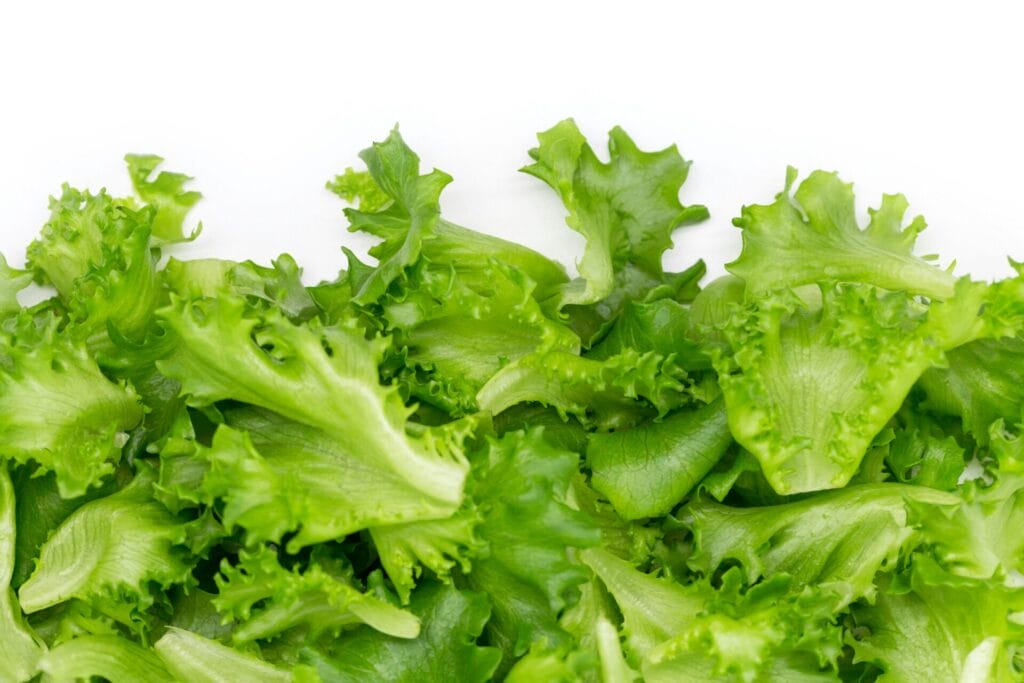
Illinois has confirmed 1,437 cases of cyclosporiasis in 2026, including 69 hospitalizations, as part of a 17-state outbreak traced to contaminated iceberg lettuce from Taylor Farms de Mexico. Nationally, the CDC has counted 9,481 illnesses linked to this outbreak, with two deaths reported in Michigan. If you or a family member became seriously ill after eating contaminated produce, you may have the right to file a product liability or negligence claim against the grower, processor, distributor, or restaurant that served it.
If you were hospitalized or suffered a serious illness connected to this outbreak, call Phillips Law Offices at (312) 346-4262 for a free consultation. We handle foodborne illness and product liability cases throughout Illinois.
What Is Cyclospora and How Does It Spread?
Cyclospora cayetanensis is a microscopic parasite that causes an intestinal infection called cyclosporiasis. Unlike bacteria such as Salmonella or E. coli, Cyclospora is not spread person-to-person. Instead, people become infected by consuming food or water contaminated with the parasite, usually fresh produce that was exposed to contaminated irrigation water, wash water, or handling somewhere along the agricultural supply chain.
Past U.S. cyclosporiasis outbreaks have been linked to raspberries, basil, cilantro, parsley, snow peas, sugar snap peas, cabbage, and leafy greens. In this outbreak, epidemiologic and traceback investigations point to iceberg lettuce grown and processed by Taylor Farms de Mexico.
The 2026 Outbreak by the Numbers
| Metric | Figure |
|---|---|
| Illinois confirmed and probable cases (as of Aug. 18, 2026) | 1,437 |
| Illinois hospitalizations | 69 |
| Illinois deaths reported | 0 |
| National illnesses linked to the outbreak | 9,481 |
| States affected | 17 |
| National deaths reported | 2 (Michigan) |
| Outbreak start date | Illnesses beginning June 14, 2026 |
| Source identified | Iceberg lettuce, Taylor Farms de Mexico |
Case counts are evolving as state and federal health departments continue their investigation. Illinois figures are tracked by the Illinois Department of Public Health and reported by outlets including Patch. Figures reflect the most recent public data available at the time of publication.
Symptoms of Cyclosporiasis
Symptoms typically begin about a week after exposure and can include:
- Watery diarrhea, often frequent and explosive
- Loss of appetite and unintended weight loss
- Stomach cramps, bloating, and increased gas
- Nausea and fatigue
- Low-grade fever in some cases
Without treatment, symptoms can last for weeks or even months and may relapse after seeming to improve. Cyclosporiasis is typically treated with a course of trimethoprim/sulfamethoxazole (Bactrim). Anyone experiencing prolonged watery diarrhea after eating fresh produce, particularly lettuce, salad mixes, or restaurant salads, should see a doctor and mention the current outbreak so appropriate testing can be ordered.
Can You Sue for a Foodborne Illness Like Cyclospora?
Yes. Illinois law allows victims of foodborne illness to pursue compensation from the parties responsible for contaminated food reaching their plate. Depending on the facts of your case, a claim may be built on one or more legal theories:
Strict Product Liability
Under Illinois product liability law, a contaminated food product is considered “unreasonably dangerous” or “defective” regardless of how careful the grower or processor claims to have been. This means you generally do not have to prove the company was negligent, only that the product was contaminated and that it caused your illness. Growers, processors, distributors, and in some cases the restaurant or grocer that sold the product can all be named as defendants.
Negligence
A negligence claim focuses on whether the grower, processor, or seller failed to use reasonable care, for example, failing to test irrigation water, failing to follow FDA produce safety rules, or continuing to ship product after contamination was known or should have been discovered.
Breach of Warranty
Food sold for consumption carries an implied warranty that it is fit to eat. Selling contaminated lettuce can breach that warranty, giving injured consumers an additional avenue for recovery.
What Compensation Can You Recover?
- Medical expenses, including ER visits, hospitalization, testing, and prescription antibiotics
- Lost wages for time missed from work during illness and recovery
- Pain and suffering from the physical symptoms of the infection
- Future medical costs if symptoms cause lasting digestive or health complications
- Wrongful death damages for families who lost a loved one to a severe infection
Illinois Deadlines to File a Claim
| Claim Type | Time Limit | Illinois Statute |
|---|---|---|
| Personal injury (negligence) | 2 years from the date of injury | 735 ILCS 5/13-202 |
| Product liability | 2 years from discovery of the injury | 735 ILCS 5/13-213 |
| Wrongful death | 2 years from the date of death | 740 ILCS 180/2 |
Steps to Take If You Got Sick
- See a doctor. Get tested for Cyclospora specifically, since standard stool cultures do not always detect it.
- Save the evidence. Keep receipts, packaging, restaurant receipts, or any leftover product in the freezer if possible.
- Report it. Notify your local health department, which helps investigators trace the outbreak and can strengthen your claim.
- Document your illness. Track symptoms, missed work, and medical visits.
- Talk to an attorney before accepting any settlement offer from a food company’s insurer.
Frequently Asked Questions
Do I need to prove exactly which restaurant or store sold me the contaminated lettuce?
It helps, but public health traceback investigations can sometimes identify the source even without a receipt, especially during an active, well-documented outbreak like this one. An attorney can help connect your illness to the confirmed outbreak source.
What if I was only sick for a few days and didn’t go to the hospital?
You may still have a claim, particularly if you missed work, needed a doctor’s visit, or required prescription medication. The value of a claim depends on your specific losses.
Is this different from a typical food poisoning case?
Not legally. Whether the contaminant is Cyclospora, Salmonella, E. coli, or Listeria, the same Illinois product liability and negligence principles apply.
Talk to an Illinois Foodborne Illness Lawyer
Phillips Law Offices has represented injury victims across Illinois since 1945, including cases involving defective and contaminated products. If you or a loved one was hospitalized or seriously sickened during the 2026 Cyclospora outbreak, call (312) 346-4262 for a free, no-obligation consultation. We work on contingency, you pay nothing unless we win your case.
Related Resources: