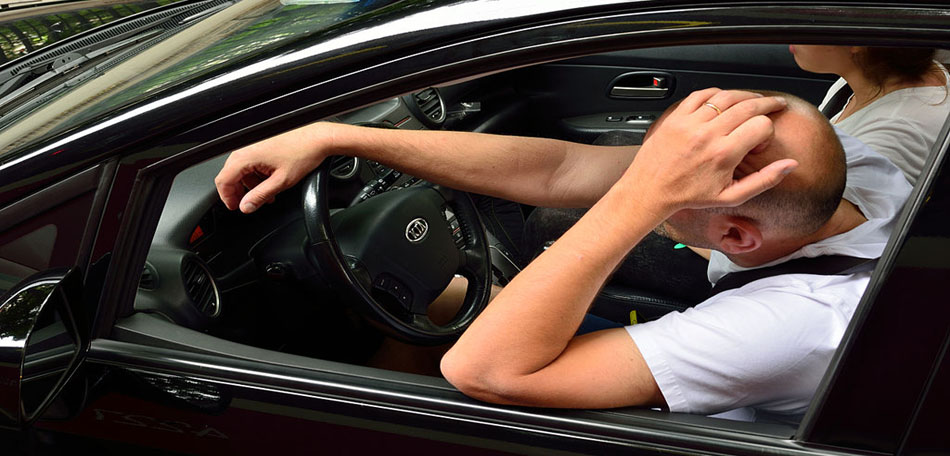


Car accidents are stressful events, especially when family is involved. If your spouse causes a car accident, you may wonder if you are legally responsible for the damages or injuries that result. Understanding whether you can be held liable is important because it affects your financial security and insurance situation. This article explains how liability works when your spouse is the driver at fault, covering laws, insurance, and what you should do if this happens.
What Determines Liability If Your Spouse Causes an Accident?
Liability in car accidents often depends on who was at fault for causing the crash. If your spouse was driving carelessly or broke traffic rules that led to the accident, they may be considered at fault. However, responsibility is not always just about who was driving. Other factors like who owns the vehicle and how insurance policies are arranged also matter. The driver who caused the accident is usually the first person held responsible for damages. But because spouses often share cars and policies, liability can sometimes extend beyond the one driving.
Joint Vehicle Ownership and Spousal Liability
When both spouses own a car together, liability can become a little more complicated. Joint ownership means both names are on the vehicle’s title, and both may share the financial responsibility for damages or injuries caused by an accident. If your spouse causes a crash while driving a car you own together, you might be responsible for certain costs. This depends on how your state handles ownership liability and insurance agreements. Sharing ownership might mean your insurance premiums could increase even if you were not behind the wheel.
Key Legal Doctrines Impacting Spousal Liability
Family Purpose Doctrine
One legal principle called the family purpose doctrine affects some cases of spousal liability. This doctrine holds the car owner responsible if the vehicle is provided for family use. For example, if you let your spouse use the car for family errands and they cause an accident, you could be held liable even if you didn’t drive. Not all states apply this doctrine, but where it does apply, it expands who can be held responsible.
Negligent Entrustment
Negligent entrustment happens when someone knowingly lets a person who should not be driving use their car. If you allow your spouse to drive when you know they are unfit—because of their health, alcohol use, or reckless driving history—you could be held liable for any accidents they cause. The law expects car owners to act responsibly when giving others permission to drive their vehicles.
Vicarious Liability
Vicarious liability means a person can be responsible for another’s actions, usually in employer-employee relationships. In family cases, some states extend this to spouses if the driver was running errands or doing work for the family at the time of the accident. This means even if your spouse caused the accident, you might still be held liable for damages if they were acting on behalf of the household.
Insurance Considerations: Are You and Your Assets at Risk?
Insurance is a key part of dealing with car accidents caused by your spouse. Most married couples share one insurance policy that covers both drivers and vehicles. If your spouse is at fault, your shared insurance company will likely handle the claim first. This could impact your premiums or coverage options in the future. If your insurance isn’t enough to cover all the damages, you both could face financial risk. It is important to understand how your policy works and what coverage limits apply to avoid surprises.
State-by-State Differences in Spousal Liability
Car accident laws vary widely by state, affecting whether you are liable for your spouse’s actions. Some states follow a fault-based system, where the driver at fault pays for damages, while others have no-fault laws that use insurance to cover injuries regardless of fault. Certain states don’t recognize legal doctrines like family purpose or negligent entrustment, while others do. This means your legal responsibility can change depending on where you live. Understanding your state’s laws helps you know what to expect if your spouse causes an accident.
When Are You NOT Liable If Your Spouse Causes an Accident?
There are situations where you are not held liable for your spouse’s car accident. If you do not own the car your spouse was driving, or if the accident happened while your spouse was using a vehicle not belonging to you, you generally won’t be responsible. Also, if you had no reason to believe your spouse would drive negligently, and you did not allow or encourage dangerous behavior, you are usually not liable. Being legally separated or living apart may also influence liability, depending on state laws.
Scenarios Where You May Be Liable Even if You Weren’t Driving
There are cases where you could be responsible for an accident your spouse caused, even if you weren’t driving. For instance, if you let your spouse drive while they were intoxicated or impaired, you might face liability under negligent entrustment laws. Allowing or encouraging unsafe driving behavior—for example, reckless speeding or ignoring traffic laws—can also create legal responsibility for you. Courts expect spouses to exercise caution when permitting each other to drive.
Steps to Take If Your Spouse Is in an Accident
Notify Your Insurance Company
The very first thing you should do is tell your insurance company about the accident. Even if you are not sure whether a claim will be needed, it is better to inform them as soon as possible. This helps start the process and lets your insurer know what happened. Reporting early can prevent problems if the other driver or passengers decide to file a claim later.
Keep Clear Records
Make sure to save all important papers related to the accident. This includes the police report, medical bills, car repair estimates, and any messages or letters from insurance companies. Keeping these documents organized helps you keep track of what is going on and makes it easier to provide proof if needed in the future.
Consult a Lawyer
Talking to a lawyer can be very helpful, especially if the accident was serious or if you think there might be legal issues. A lawyer can explain your rights and guide you on how to protect yourself. They can also communicate with insurance companies or other parties to make sure you are treated fairly.
Take Care of Communication
If the other driver, police officers, or insurance representatives contact you, be calm and careful when answering questions. It’s often a good idea to wait to talk until you have legal advice. Keeping a record of any conversations or letters can also be useful later on.
Stay Involved and Follow Up
After the accident, stay involved in the process by checking on the status of any claims or repairs. Make sure nothing important is forgotten and that your insurance company is acting promptly. Following up regularly helps prevent delays and keeps everything moving smoothly.
How to Limit Your Liability as a Spouse
To reduce your risk in case your spouse causes an accident, review your insurance policies carefully. Consider purchasing higher coverage limits or separate policies if needed. Encouraging safe driving habits and regular vehicle maintenance within your family is also helpful. You can limit liability by keeping ownership and insurance documentation up to date and understanding what is covered. Taking these steps can provide peace of mind and better protect your finances.
Frequently Asked Questions (FAQs)
Am I always liable if my spouse gets into a car accident?
No, you are not always responsible. Liability depends on who was at fault, vehicle ownership, and insurance arrangements. In some states, doctrines like family purpose can create liability, but it varies.
Will my insurance rates go up if my spouse is at fault?
It is possible your premiums may increase since shared insurance covers both spouses. Every insurer handles rate changes differently, so check with your provider.
What if the car wasn’t in my name?
If your spouse was driving a vehicle solely in their name, you are usually not liable. However, if you allowed them to drive recklessly or impaired, you may still face some responsibility.
Does it matter if my spouse was running personal vs. family errands?
Yes, in some states, liability depends on whether your spouse was driving for household purposes. The family purpose doctrine can apply in such cases.
What if we’re separated or living apart at the time?
Separation or living apart can affect liability depending on state laws and ownership status. Consult a lawyer to understand your situation.
Is there a difference between civil and criminal liability in these cases?
Yes, criminal liability involves violations of law, like DUI charges, which are separate from civil liability related to damages and compensation.
Can an injured third party sue me directly?
In certain cases, yes. If you are the owner of the vehicle or responsible under the law, lawsuits can name you as a defendant.
How can a lawyer help protect my interests?
A legal professional can explain your rights, negotiate with insurers, and represent you if lawsuits arise, helping limit your financial risk.
Get Legal Help For Your Car Accident Case in Chicago
If your spouse has caused a car accident and you are worried about liability or injury claims, it’s important to get the right legal help. At Phillips Law Offices in Chicago, our experienced team can guide you through the process and protect your rights. We understand how stressful these situations can be and are here to support you every step of the way.
- Free case evaluations to understand your options
- Clear advice tailored to your specific situation
- Strong representation for injury or liability claims
Contact Phillips Law Offices today to get the help you need for your car accident case. Don’t wait—let us fight for your best outcome and peace of mind.
Interesting Reads: