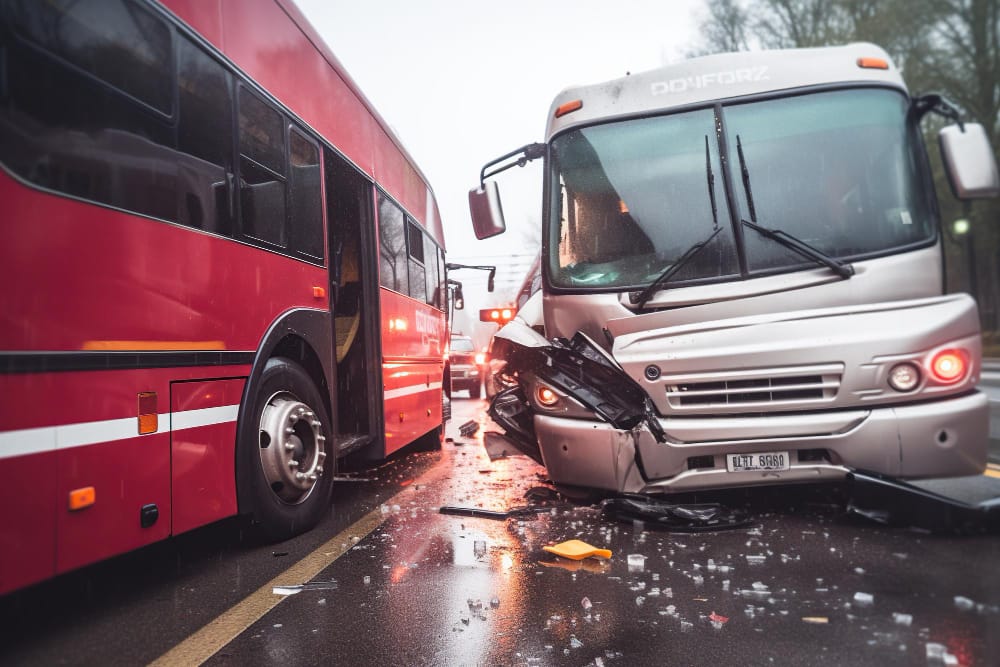

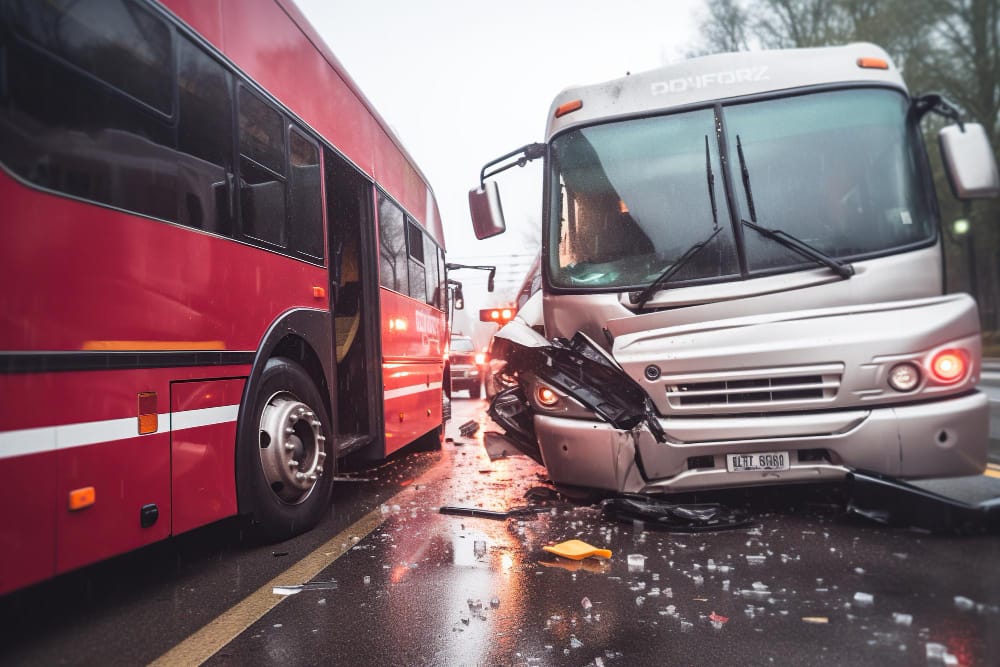
A bus accident can leave you with painful injuries, mounting medical bills, lost wages, and uncertainty about your future. One of the first questions many injured passengers, pedestrians, cyclists, and drivers ask is, “Who is responsible for paying my injury claim?” The answer depends largely on which bus was involved in the crash. In the Chicago area, the two most common public bus systems are the Chicago Transit Authority (CTA) and Pace Suburban Bus. While both provide public transportation, the legal process for filing an injury claim can differ depending on the agency involved, the cause of the accident, and who was at fault.
If you have been injured in a CTA or Pace bus accident, understanding your legal rights is the first step toward recovering fair compensation. Here’s what you need to know.
Understanding the Difference Between CTA and Pace Buses
Although both CTA and Pace buses serve residents throughout northeastern Illinois, they operate in different areas and under different systems.
The Chicago Transit Authority primarily serves the City of Chicago and a limited number of nearby communities. Its buses travel through busy downtown streets, residential neighborhoods, and commercial districts. Because CTA buses operate in heavy traffic with frequent stops, accidents involving cars, pedestrians, bicyclists, and passengers are not uncommon.
Pace Suburban Bus, on the other hand, serves suburban communities throughout Cook, DuPage, Kane, Lake, McHenry, and Will counties. Pace buses often travel longer distances and operate on suburban roads, highways, and express routes connecting commuters to train stations and downtown Chicago.
Despite these operational differences, both agencies are considered public transportation providers and owe passengers and the public a duty to operate safely.
Who Can File an Injury Claim After a Bus Accident?
Many people assume only bus passengers can seek compensation after a bus crash. In reality, several different individuals may have valid injury claims.
You may be eligible to file a claim if you were a passenger riding on the bus when the accident occurred. Drivers and passengers in other vehicles involved in the collision may also have legal rights. Pedestrians crossing the street or bicyclists struck by a bus can pursue compensation if negligence caused the accident. Even people injured while boarding or exiting the bus may have a valid claim.
Every accident is unique, and determining liability requires a careful investigation of how the crash occurred.
Who Pays for a CTA Bus Injury Claim?
When a CTA bus causes an accident, many people believe the bus driver personally pays for the damages. In most cases, that is not how the process works.
Instead, claims are generally brought against the Chicago Transit Authority because the driver is acting within the scope of employment. As a government agency, the CTA may be held responsible for injuries caused by its employees if negligence contributed to the accident.
For example, compensation may be available if the driver was speeding, distracted, failed to yield, ran a red light, made an unsafe lane change, or failed to brake in time.
However, filing a claim against a public agency is often more complicated than filing a claim against a private driver. Special legal procedures, shorter deadlines, and additional notice requirements may apply.
An experienced attorney can ensure these requirements are met before important deadlines expire.
Who Pays for a Pace Bus Injury Claim?
The process is somewhat similar when a Pace bus is involved.
Pace is also a public transit agency and can be held liable when negligence causes injuries. Like CTA cases, the claim is generally pursued against the transit agency rather than the individual driver.
Depending on the facts, compensation may come through Pace’s insurance coverage or another applicable source. Because public transportation agencies have experienced legal teams defending claims, injury victims often face challenges when trying to negotiate on their own.
A lawyer can investigate the accident, gather evidence, and present a strong claim for compensation.
When Someone Else May Be Responsible
Not every bus accident is caused by the bus driver.
In many cases, another motorist causes the collision by driving recklessly, texting while driving, speeding, or ignoring traffic signals. If another driver caused the accident, that driver’s insurance company may be responsible for paying damages.
Some crashes involve multiple negligent parties. For example, a speeding car may strike a CTA bus while the bus driver is simultaneously making an unsafe turn. In that situation, liability may be shared among multiple parties.
Other potentially responsible parties may include:
- Vehicle manufacturers if defective brakes or steering systems contributed to the crash.
- Maintenance companies that failed to properly inspect or repair the bus.
- Contractors responsible for dangerous road construction zones.
- Government entities responsible for poorly maintained roads or defective traffic signals.
Determining liability often requires reviewing accident reports, surveillance footage, witness statements, maintenance records, and expert accident reconstruction.
Common Causes of CTA and Pace Bus Accidents
Public buses are large vehicles that require skilled operation. Unfortunately, accidents happen for many reasons.
Driver distraction remains one of the leading causes of crashes. Even a few seconds of inattention can have devastating consequences.
Driver fatigue may also contribute, particularly on longer suburban routes where Pace buses travel significant distances.
Speeding, failure to yield, improper turns, following vehicles too closely, and aggressive driving frequently lead to collisions.
Weather conditions also play a role in Illinois. Rain, snow, ice, and fog can make stopping a large bus much more difficult.
Mechanical failures sometimes contribute to accidents as well. Worn brakes, defective tires, steering failures, or poor maintenance can all increase the likelihood of a serious crash.
In many cases, multiple factors combine to cause a bus accident.
Common Injuries in Bus Accidents
Because buses typically lack seat belts and passengers are often standing, injuries can be severe even in relatively low-speed collisions.
Victims frequently suffer traumatic brain injuries after striking windows, poles, or seats during the crash.
Neck and back injuries are also common due to the sudden force of impact. Some individuals experience spinal cord injuries that result in long-term disability.
Broken bones, fractured wrists, hip injuries, shoulder injuries, facial fractures, and internal organ damage often require extensive medical treatment.
Passengers may also experience cuts and lacerations from shattered glass or loose objects inside the bus.
Beyond physical injuries, many victims develop anxiety, depression, or post-traumatic stress disorder after experiencing a violent crash.
These emotional injuries can affect daily life just as seriously as physical harm.
What Compensation Can You Recover?
Every injury claim is different, but victims may recover compensation for both financial and personal losses.
Medical expenses often represent the largest portion of a claim. This includes emergency treatment, hospitalization, surgery, rehabilitation, physical therapy, prescription medications, and future medical care.
If injuries prevent you from working, you may recover lost wages as well as compensation for reduced future earning capacity.
Pain and suffering damages recognize the physical pain and emotional distress caused by the accident.
Many victims also recover compensation for permanent disability, disfigurement, reduced quality of life, and ongoing emotional trauma.
If a loved one dies because of a bus accident, surviving family members may be able to pursue a wrongful death claim under Illinois law.
Why Bus Accident Claims Are More Complicated
Bus accident cases are often more difficult than ordinary car accident claims.
Public transportation agencies have investigators and insurance representatives who begin evaluating claims immediately after an accident occurs.
Evidence can disappear quickly if it is not preserved. Surveillance video may be overwritten, witness memories fade, and accident scenes change.
Government agencies also have legal protections that private companies do not. Certain procedural rules and filing deadlines may apply, making it important to seek legal guidance as soon as possible.
An attorney can obtain maintenance records, driver training files, onboard camera footage, dispatch communications, and other critical evidence before it is lost.
What Should You Do After a CTA or Pace Bus Accident?
The actions you take immediately after an accident can significantly affect your injury claim.
Your first priority should always be seeking medical care. Even if your injuries seem minor, some conditions, including concussions and internal bleeding, may not produce immediate symptoms.
Report the accident to law enforcement and ensure an official report is created.
If possible, take photographs of the vehicles, road conditions, visible injuries, and the accident scene.
Collect contact information from witnesses, since their testimony may later support your claim.
Avoid giving recorded statements to insurance adjusters before speaking with an attorney. Insurance companies often attempt to minimize payouts by using a victim’s own statements against them.
Finally, contact a Chicago bus accident lawyer as soon as possible so evidence can be preserved and your rights protected.
Why Legal Representation Matters
Bus accident claims often involve large public agencies, multiple insurance companies, and complicated liability issues.
An experienced attorney understands how to investigate these cases thoroughly and identify every potentially responsible party.
Your lawyer can calculate the full value of your damages rather than accepting an early settlement that may not cover future medical expenses or lost income.
Most importantly, having legal representation allows you to focus on your recovery while your attorney handles negotiations, evidence collection, and litigation if necessary.
Contact a Chicago Bus Accident Lawyer at Phillips Law Offices Today
If you were injured in a CTA bus accident or a Pace bus accident, you should not have to face the legal process alone. Determining who pays your injury claim can be complex, especially when government transit agencies, multiple drivers, or insurance companies are involved. The experienced legal team at Phillips Law Offices has spent decades helping injured Chicago residents pursue the compensation they deserve after serious transportation accidents. We will investigate your case, identify every liable party, protect your rights, and fight aggressively for maximum compensation. Contact a Chicago bus accident lawyer at Phillips Law Offices today for a free consultation and learn how we can help you move forward with confidence.