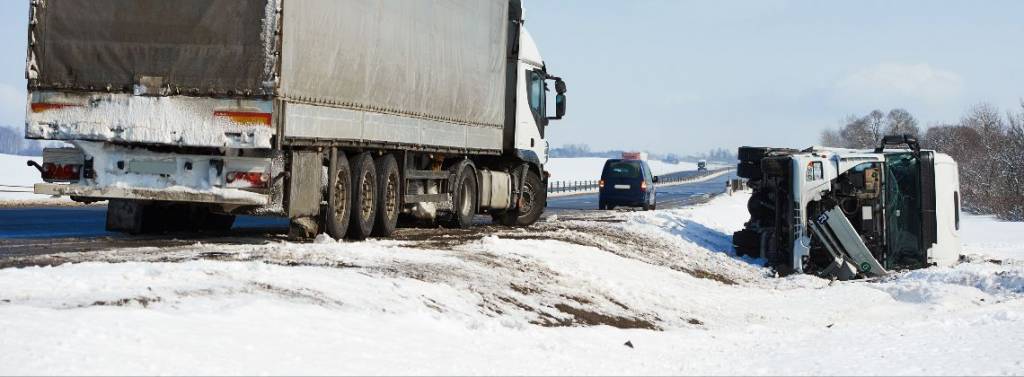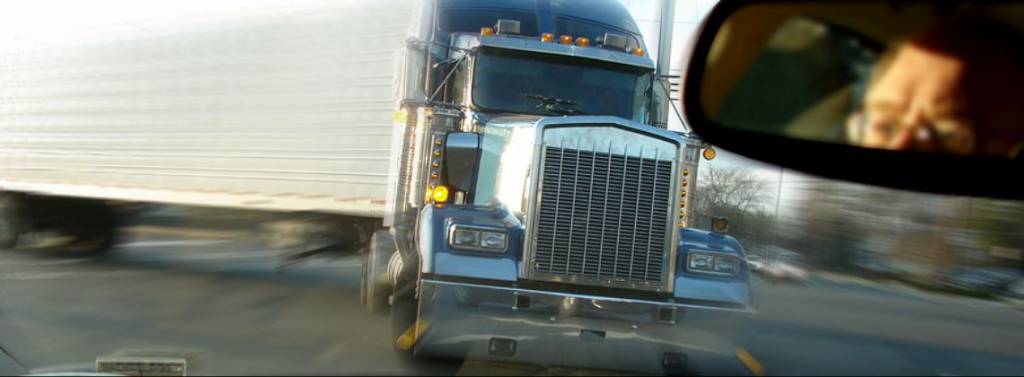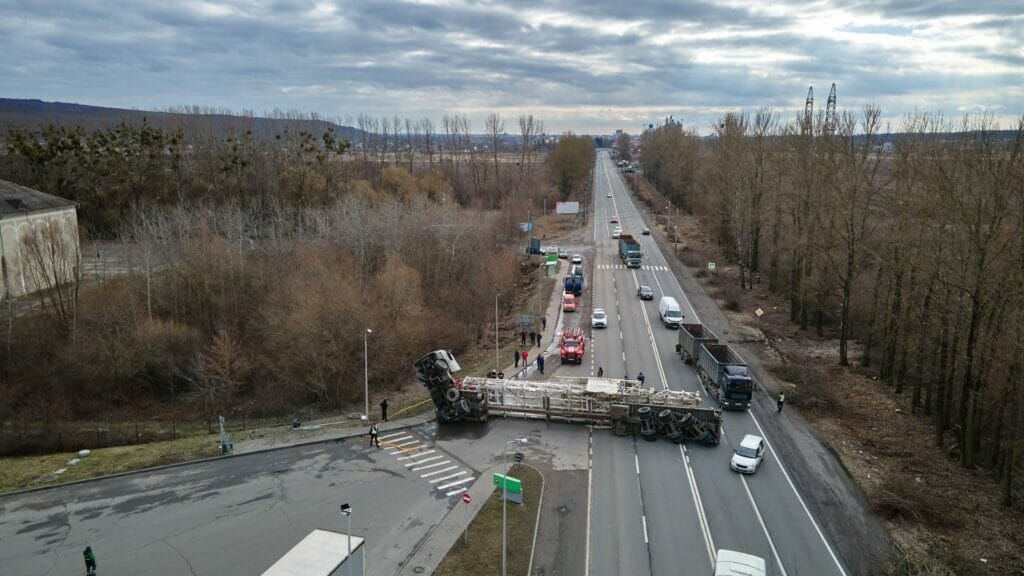


Driver fatigue causes truck accidents by slowing reaction time, reducing awareness, impairing judgment, and increasing the likelihood of critical driving errors such as drifting between lanes, missing traffic signals, or failing to brake in time. When a truck driver operates a commercial vehicle while exhausted, the risk of catastrophic crashes rises sharply because large trucks require more distance, focus, and physical control than passenger vehicles.
Understanding Driver Fatigue in the Trucking Industry
Driver fatigue is not simple tiredness. In commercial trucking, fatigue often results from long hours, irregular sleep cycles, tight delivery schedules, and pressure from trucking companies to meet deadlines. Federal regulations limit driving hours, yet violations remain common across the industry.
Fatigue impairs the brain in ways similar to alcohol consumption. Studies consistently show that sleep-deprived drivers experience reduced alertness, slower reflexes, and poor decision-making. When an 80,000-pound truck is involved, even a minor lapse can lead to severe injuries or fatalities.
Truck drivers often work overnight shifts or rotate schedules, disrupting natural sleep patterns. This condition, known as circadian rhythm disruption, makes it difficult for drivers to remain alert, especially during early morning hours when fatigue-related crashes spike.
How Fatigue Directly Leads to Truck Accidents
Fatigue contributes to truck accidents through several direct mechanisms:
Delayed Reaction Time
An exhausted driver takes longer to respond to traffic changes, sudden stops, or roadway hazards. A delay of even one second can mean the difference between stopping safely and causing a deadly rear-end collision.
Reduced Situational Awareness
Fatigued drivers struggle to process information quickly. They may fail to notice merging vehicles, construction zones, pedestrians, or changing weather conditions.
Microsleep Episodes
One of the most dangerous effects of fatigue is microsleep—brief, involuntary episodes of sleep lasting a few seconds. At highway speeds, a truck can travel hundreds of feet during a microsleep, entirely out of the driver’s control.
Poor Judgment and Risky Decisions
Fatigue lowers inhibition and impairs judgment. Drivers may speed, follow too closely, skip rest breaks, or attempt unsafe lane changes.
Why Truck Fatigue Accidents Are Often Severe
Truck accidents caused by fatigue tend to be more severe because tired drivers are less likely to brake or steer away before impact. Unlike alert drivers who may attempt evasive action, fatigued drivers often collide at full speed.
Additionally, commercial trucks have:
- Longer stopping distances
- Larger blind spots
- Heavier loads that increase impact force
When fatigue removes a driver’s ability to compensate for these factors, the results are often devastating for occupants of smaller vehicles.
Common Causes of Truck Driver Fatigue
Hours-of-Service Violations
Federal Motor Carrier Safety Administration (FMCSA) rules limit driving hours, but logbook falsification and electronic logging manipulation still occur. Drivers may exceed legal limits to satisfy employers or increase pay.
Unrealistic Delivery Deadlines
Tight schedules encourage drivers to skip rest breaks or drive while exhausted. Some trucking companies reward speed over safety, creating dangerous conditions on the road.
Sleep Disorders
Conditions such as sleep apnea are common among truck drivers and often go undiagnosed. Untreated sleep disorders significantly increase fatigue-related crash risk.
Monotonous Routes
Long stretches of highway driving, especially at night, can lull drivers into reduced alertness, increasing fatigue even when total driving hours are legal.
Chicago and Illinois: Truck Fatigue Risks on Busy Roadways
Illinois is a major transportation hub, with thousands of commercial trucks traveling daily through Chicago via interstates such as I-90, I-94, I-55, and I-80. Heavy congestion, frequent construction zones, and long-haul routes make fatigue-related truck accidents a serious concern.
In the Chicago area, fatigued truck drivers often collide with vehicles during:
- Stop-and-go traffic
- Rush hour bottlenecks
- Sudden lane closures
- Adverse winter weather conditions
Urban traffic demands constant attention. When a fatigued driver enters dense Chicago roadways, the margin for error disappears.
Warning Signs of a Fatigued Truck Driver
Recognizing fatigue-related behavior can help establish liability after a crash. Common warning signs include:
- Drifting across lanes
- Delayed braking
- Inconsistent speed
- Failure to signal
- Rear-end collisions with stopped traffic
Crash investigations often uncover evidence such as logbook violations, GPS data, fuel receipts, and electronic control module records showing excessive driving hours.
Legal Responsibility in Fatigue-Related Truck Accidents
Truck driver fatigue is rarely an isolated issue. Liability may extend beyond the driver to include:
Trucking Companies
Employers may be responsible if they encouraged unsafe schedules, ignored hours-of-service rules, or failed to monitor driver compliance.
Shippers and Brokers
Third parties that impose unreasonable delivery deadlines can contribute to unsafe driving conditions.
Maintenance and Safety Managers
Failure to screen drivers for sleep disorders or enforce rest requirements can support claims of negligence.
In Illinois, injured victims may seek compensation for medical expenses, lost income, long-term disability, and pain and suffering when fatigue plays a role in a truck accident.
Evidence Used to Prove Driver Fatigue
Successful truck accident claims rely on detailed investigation. Key evidence includes:
- Electronic logging device (ELD) data
- Driver qualification files
- Dispatch records
- Cell phone usage data
- Surveillance footage
- Witness statements
Fatigue is often proven by demonstrating regulatory violations combined with crash dynamics showing delayed reactions or lack of evasive action.
Long-Term Impact on Victims
Truck accidents caused by fatigue often result in:
- Traumatic brain injuries
- Spinal cord damage
- Multiple fractures
- Permanent disability
- Loss of earning capacity
Recovery can take months or years, and some victims never fully regain their previous quality of life. Families may also face emotional and financial hardship when a loved one is seriously injured or killed.
Preventing Fatigue-Related Truck Accidents
While regulations exist, enforcement remains inconsistent. Prevention requires:
- Strict adherence to driving hour limits
- Proper medical screening for drivers
- Realistic scheduling by trucking companies
- Strong accountability for violations
Until safety practices improve across the industry, fatigue-related truck crashes will continue to endanger Illinois motorists.
Contact a Chicago Truck Accident Attorney at Phillips Law Offices
When a truck accident is caused by driver fatigue, victims deserve accountability. At Phillips Law Offices, we focus on uncovering the full truth behind commercial trucking crashes. We examine logbooks, electronic data, company policies, and driver histories to identify all responsible parties.
We represent injured clients throughout Chicago and across Illinois, fighting for compensation that reflects the full scope of physical, financial, and emotional harm. Our team understands trucking regulations, industry practices, and the strategies used to minimize liability.
If you or a family member was injured in a fatigue-related truck accident, contact a Chicago Truck Accident Attorney at Phillips Law Offices to protect your rights and pursue the recovery you deserve.