
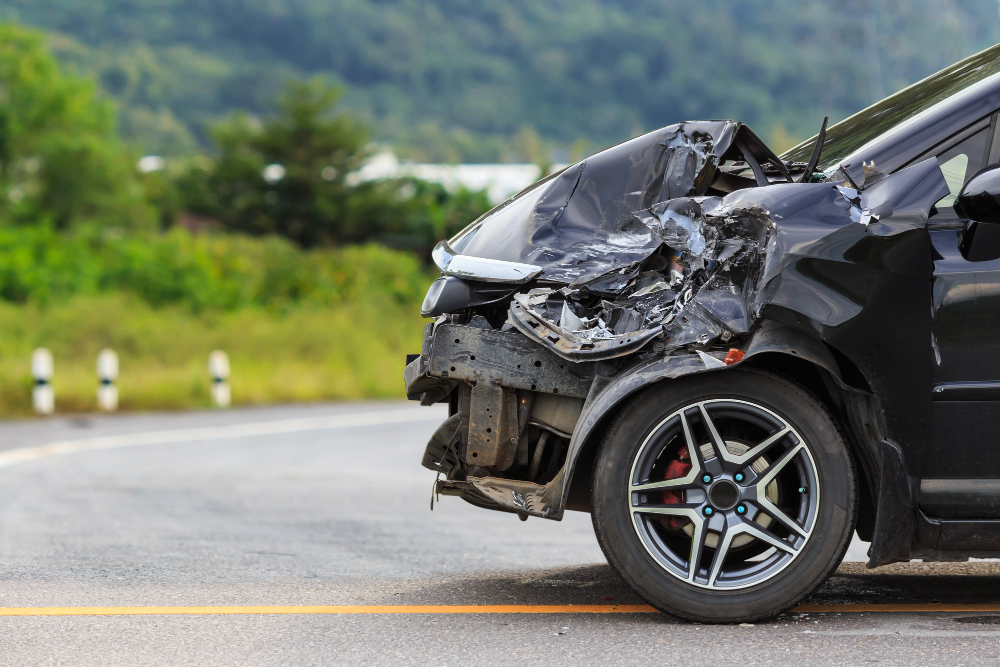
Illinois sees thousands of car accidents each year, touching families and communities across urban and rural areas. In 2023, the state counted almost 300,000 car crashes. Out of these, about 1,300 people lost their lives in around 1,200 deadly crashes. Illinois also had over 15,000 accidents where drinking was involved and more than 13,000 crashes caused by someone not paying attention, such as texting or using a phone. These situations led to hundreds of deaths and injuries, showing how big the problem is, according to the Illinois Department of Transportation.
Learning about these numbers helps people understand where risks are highest, why accidents happen, and which groups face greater danger. The latest data also helps communities make decisions about road safety and personal behavior, aiming for safer streets for everyone.
This blog explores car crash statistics throughout Illinois, showing major trends, county breakdowns, and the most recent figures. It also covers economic impact, injury data, and answers to popular questions people ask about Illinois car accidents. Whether someone lives in Chicago or a small town, knowing the facts can make a real difference.
Illinois Car Accident Overview
Illinois has over 10 million registered motor vehicles, and nearly 300,000 car accidents happen statewide every year. Around one-third of crashes lead to injuries, and less than 1 percent result in fatalities, but that still adds up to more than 1,000 deaths annually. Each day, more than three people lose their lives in traffic crashes in Illinois, based on recent figures from the Department of Transportation.
Most accidents lead to property damage or minor injuries, but a significant number involve severe harm that requires emergency response. In 2023, around 8,000 crashes resulted in injuries serious enough that victims needed hospital transportation. The fatality rate was measured at 1.2 deaths per 100 million miles traveled—a figure that helps experts compare how safe Illinois roads are compared to other states.
Crashes can happen anywhere, but data shows certain roads and counties see more incidents than others. This information is used by Illinois officials to target safety campaigns and encourage behaviors like seatbelt use and responsible driving.
Breakdown by Location
Urban Areas Experience Most Accidents
Big cities in Illinois, like Chicago, have the highest number of car accidents every year. This is because more people, cars, and busy streets come together in these places. In 2023, Chicago alone had more than 100,000 car crashes, which means a lot of people were either hurt or their vehicles damaged. Living in crowded cities means that drivers always need to be extra careful since the chance of having an accident is much higher than in smaller towns.
Rural Roads Have Serious Crashes
Even though rural areas have fewer crashes, the ones that do happen can be quite serious. Long roads with not many cars often mean people drive faster or pay less attention. When an accident does happen far from help, injuries can be worse and it takes longer for emergency crews to arrive. In some smaller counties, like Henderson or Schuyler, a few crashes can have a huge impact on the small number of people living there.
Crash Statistics by County
Cook County, which is home to Chicago, leads all counties with the most car crashes and most deadly accidents. Other counties, such as DuPage and Will, also have high numbers of crashes. Nearby counties like Sangamon and Madison see thousands of accidents a year, with some areas seeing the numbers increase because more people are moving in or driving more. Each county reports its crash numbers, and these reports help officials know where more safety work is needed.
Why Location Matters for Safety
The place where a crash happens can change what kind of help is needed and how often people get hurt. Cities need to look out for accidents in busy spots like intersections and highways, while small towns and rural areas focus on long, straight roads and stretches without streetlights. By knowing which places see the most crashes, officials can fix dangerous spots, add signs, or encourage slower driving to keep people safer everywhere.
Accident Trends and Contributing Factors
Illinois accident patterns shift with the seasons, days of the week, and even hours. The most accidents happen between noon and eight in the evening, when traffic volume is highest. Fatal crashes—those that cause deaths—occur most often late at night, between midnight and four in the morning. This is likely due to factors like tiredness, substance use, and less traffic enforcement.
Some days are more dangerous than others. Fridays, Saturdays, and Sundays have the highest number of car accidents resulting in fatalities. People travel more on weekends, attend events, or drive longer distances, raising risks. Weather, including icy roads in winter or rainstorms during spring and summer, contributes to spikes in certain months.
Accidents can happen for a wide range of reasons, but data has identified several leading factors. Reckless driving is a major cause, accounting for a large majority of fatal accidents in major cities like Chicago. Speeding, ignoring signals, and unsafe lane changes are common examples. Alcohol and drug use remain persistent contributors, causing hundreds of deaths each year in Illinois.
Distracted driving is also a growing problem—using a cell phone, texting, or paying attention to something other than the road causes thousands of accidents annually. Together, these factors make it clear that the choices drivers make matter just as much as weather or road design when it comes to staying safe.
Fatality and Injury Data
The most recent statistics from Illinois paint a clear picture regarding injuries and deaths. Of almost 300,000 crashes statewide in 2023, more than 60,000 led to injuries and just over 1,000 involved fatalities. These numbers reflect all types of car accidents, both urban and rural. Fatalities are measured by the state in terms of deaths per miles traveled, making comparisons with other places more accurate.
Looking closer, most death cases happen in single-vehicle crashes, such as running off the road and hitting a fixed object. Fatal injuries also affect drivers more than passengers, and men aged 25 to 44 are the most likely to be killed in an accident. Seatbelt use is a key factor: people not wearing seatbelts are much more likely to die or be hurt in a crash.
Injuries range from mild bumps and bruises to severe trauma needing immediate hospital care. The state records “type-A injuries” as the most severe, with almost 8,000 cases in 2023. Pedestrians and cyclists make up a smaller percentage of injury victims, but when these crashes happen, the outcome is often more serious due to lack of protection.
Demographics are important for understanding risk. Younger drivers and men face higher rates of injury and death, but age groups from seniors to teenagers are affected. These details help shape public service messages aimed at increasing seatbelt use and discouraging risky behavior.
Economic Impact
Car accidents cost Illinois millions of dollars every year. The effects spread through insurance payouts, emergency medical care, lost wages, damaged vehicles, and repairs to public property. Economists estimate the total bill from car accidents reaches hundreds of millions, with each serious crash costing tens of thousands in cleanup, medical bills, and legal work.
On a personal level, families often face direct costs after a crash. Medical procedures, car repair, and missed work quickly add up, sometimes impacting their financial stability for years. Larger communities see costs in emergency resources, traffic jams, and increased insurance rates.
The Illinois Department of Transportation reviews yearly data to decide where safety investments should go. Communities with the highest numbers of accidents often receive new signs, streetlights, or changes to road design intended to bring numbers down. Insurance companies use crash reports and local data to set their rates, making areas with frequent accidents more expensive for coverage.
Understanding the costs involved is not just about numbers. It shapes public policy, encourages preventive measures, and supports families affected by serious accidents. Every campaign to lower accident rates is also an effort to guard family finances statewide.
Legislative and Safety Trends
Illinois lawmakers have passed a series of laws to address car accident risks. These include requirements for seatbelt use, harsher penalties for drunk driving, and rules limiting cell phone use behind the wheel. Enforcement of these rules varies by county, but most cities have seen improvements in seatbelt use, especially among younger drivers.
Public safety campaigns encourage drivers to be more cautious, buckle up, and stay off their phones. Billboards, radio commercials, and special events in schools deliver these messages year-round. Some cities install red light cameras, increase speed traps, or support “Click It or Ticket” campaigns, aiming to reduce injuries and deaths.
Safety programs focused on teenagers, new drivers, and at-risk counties have shown success in lowering accident rates. Illinois also works with national agencies, joining efforts like Vision Zero and Safe Streets to share data and expertise. These joint projects highlight what works best in terms of engineering, education, and enforcement.
Still, after years of progress, officials say there is more work to do. Distracted driving, speeding, and substance use remain challenges, and new safety technology—like automatic braking and lane-keeping alarms—may help move numbers in the right direction over the next decade.
Recent Illinois Car Accident Statistics (Yearly)
The most recent accident reports from Illinois show ongoing trends and some changes over time. In 2024, Chicago saw 112,032 car crashes, with 25,692 injuries—more than in any previous year on record. There were 124 reported fatalities in the city, a slight decrease from previous years but still higher than many would hope. These numbers reflect statewide trends: injuries from crashes are up slightly, with fatalities remaining steady at around 1,000 per year for Illinois.
Monthly statistics fluctuate due to weather, school schedules, and travel patterns. Data from the past decade shows the highest monthly accident totals in the spring and early summer, while winter months like February see fewer crashes. Experts suggest that unpredictable spikes in monthly accident totals highlight the need for constant vigilance and local traffic monitoring.
Comparing these figures to the rest of the country, Illinois sits roughly in the middle for crash rates. Urban areas tend to report higher numbers, but rural regions sometimes see worse outcomes due to speed and delayed emergency response.
Year-over-year charts show slow progress in reducing deaths, but injuries have increased due to higher traffic volumes. Ongoing improvements to traffic signals, driver education, and enforcement are expected to help push those numbers down in future reports.
Common Types of Car Accidents
Rear-End Collisions
Rear-end collisions are when one car bumps into the back of another car. These crashes usually happen if the driver behind is following too closely or is not looking at the road. They are the most common type of accident in Illinois and often cause sore necks, backaches, and sometimes more serious pain.
T-Bone (Angle) Accidents
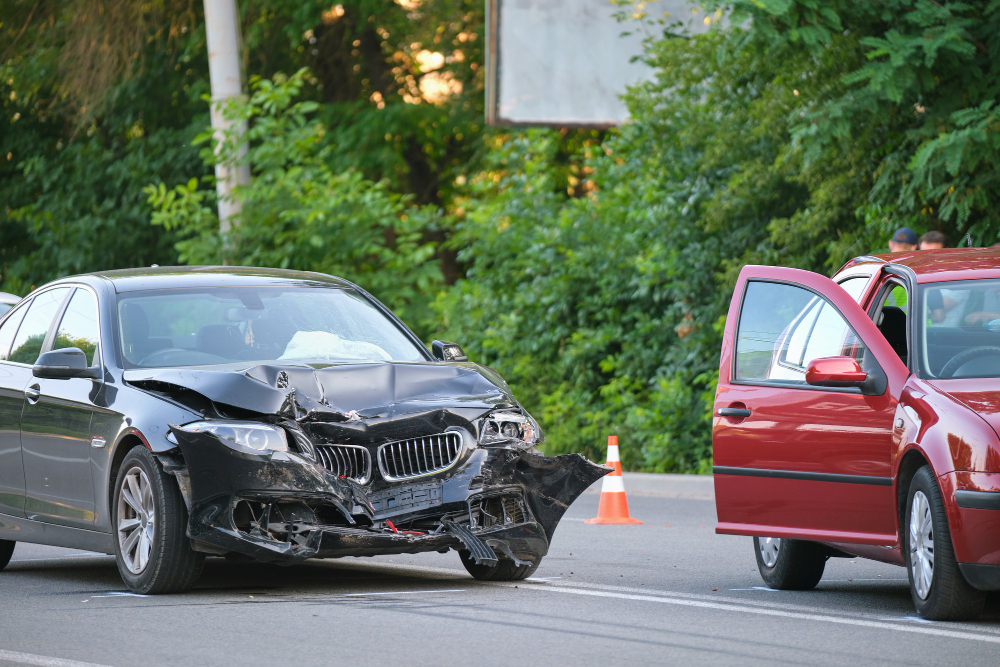
T-bone accidents take place when the front of one car crashes into the side of another, making a “T” shape at the spot where they hit. Most of the time, these occur at crossroads when someone runs a red light or does not stop at a sign. T-bone crashes can hurt people badly, especially those sitting on the side that gets hit.
Sideswipe Collisions
A sideswipe accident happens when two cars scrape against each other, usually while someone is changing lanes or turning without checking for other cars. Often, both cars keep moving, but the sudden push can lead to losing control or hitting something else. Sideswipe accidents can leave dents and sometimes cause injuries too.
Head-On Collisions
Head-on collisions are rare but very dangerous. They take place when two cars hit each other front to front, usually on roads where drivers may cross into the wrong lane. This type of accident usually leads to serious injuries because both cars may be moving fast.
Collisions with Fixed Objects
Sometimes a car crashes into things that are not moving, like trees, poles, or walls. These accidents often happen if someone goes off the road, maybe because of slipping, speeding, or losing control. Crashes with fixed objects are a big reason for deaths in Illinois traffic accidents.
Intersection Crashes
Intersection crashes happen at places where roads cross each other. They often occur because drivers do not pay attention to signals or try to get through the crossing when they should wait. These accidents can involve several cars and are common in busy city areas.
Frequently Asked Questions
The main causes of car accidents are reckless driving, such as speeding and ignoring signals, alcohol and drug use, and distracted driving like texting or using a cell phone. Weather conditions, such as ice and rain, also play a role, especially during winter months.
Cook County and DuPage County report the most traffic accidents each year. Chicago remains the city with the highest total, followed by surrounding suburbs like Naperville, Aurora, and Joliet.
Spring and summer months see the highest numbers of crashes. Days of highest risk include Fridays, Saturdays, and Sundays, with accident numbers peaking between noon and eight in the evening.
Illinois’s fatality rate is about 1.2 per 100 million miles traveled, which is close to the national average. Larger cities have rates similar to places like New York and Los Angeles, though Chicago’s injury numbers are currently trending higher than many other large metropolitan areas.
Men between ages 25 and 44 are most likely to die in a car accident. Younger drivers and those not using seatbelts also face higher risks. All age groups experience crashes, but certain segments feature more often in reports.
Illinois spends millions on emergency response, hospital care, insurance payouts, and property repairs due to car accidents. The total bill for severe crashes ranges in the hundreds of millions each year, with each serious incident costing tens of thousands in direct expenses.
Seatbelt use, speed limits, better signage, and public safety campaigns all help lower crash rates. Enforcement against distracted driving and new technologies like lane departure warnings and automatic braking systems are also making roads safer.
Fatality rates in Illinois have been steady at around 1,000 deaths per year, with injuries going up in major cities like Chicago. Improvements in enforcement and technology may help bring numbers down in future years.
Illinois Department of Transportation’s crash reports provide the most current and accurate figures, along with regular updates. Local government websites for Chicago and other cities also share monthly and yearly data.
After a crash, authorities collect information, provide emergency care, and file official reports used by insurance companies and policy makers. Serious incidents often involve follow-up investigations to determine cause and liability, which inform future safety strategies.
Free Consultation for Illinois Car Accident Victims – Call Phillips Law Offices
If injured in a car accident in Illinois, getting help early is very important. Phillips Law Offices offers a free consultation to go over your case and explain your legal options. Our experienced car accident lawyers in Illinois will listen carefully and fight to get the compensation you deserve.
Contact Phillips Law Offices today for your free consultation. They can help with:
- Medical bills and lost wages
- Pain and suffering compensation
- Legal advice on your rights
- Support through the claims process
Call Phillips Law Offices at (312) 346-4262 or visit our Chicago office to schedule your free case review now.
Interesting Reads:
Common Causes Of Car Accident in Chicago