
Last updated: August 2026
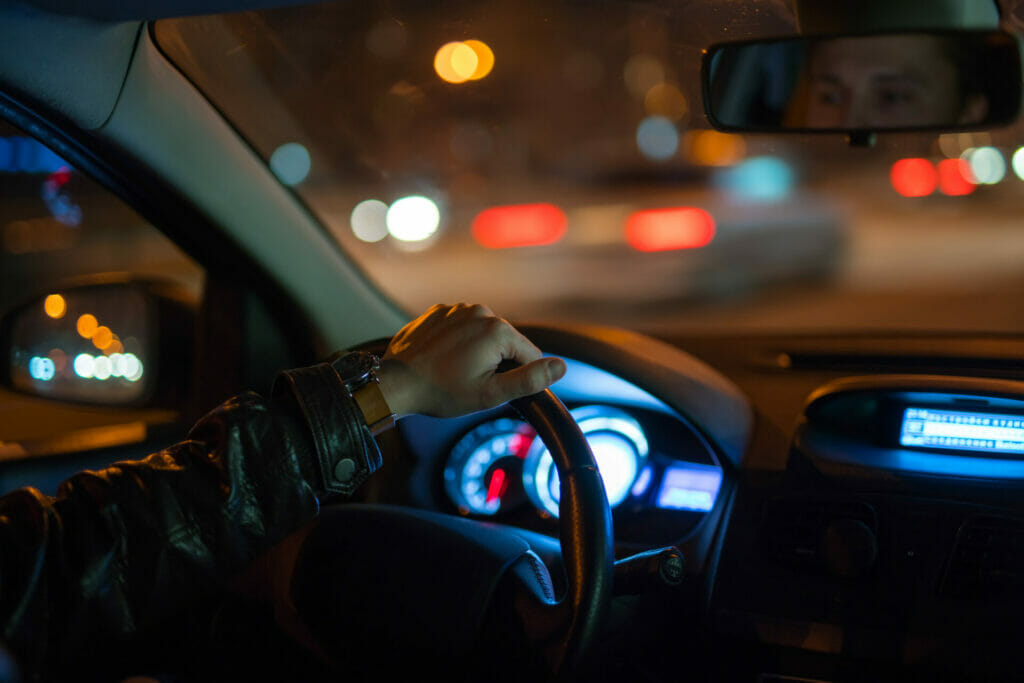
Driving at night is often more dangerous than during the day due to decreased visibility and other factors that can make it hard to drive safely. According to the National Highway Traffic Safety Administration (NHTSA), fatal accidents are three times more likely at night compared with daytime driving. Reduced visibility is the primary reason: drivers can see less of the road ahead of them in darkness and have less room or time to stop for unforeseen obstacles. Additionally, bright lights from oncoming traffic can cause undue glare and impair how well we can see in front of us.
Nine Tips For Night Driving Safety
To ensure night driving safety, there are several tips that can be employed. This includes ensuring headlights are clean and properly functioning, always maintaining a safe following distance from vehicles ahead, ensuring tires are properly inflated and in good condition, having an emergency kit stocked with items like flashlights in case of breakdowns or power outages, and more.
1. Be Extra Careful
Anyone behind the wheel needs to always drive responsibly, but it’s especially important to be extra careful when driving during nighttime hours due to the increased danger posed by drunk drivers. It’s important for all drivers to remain alert and aware of their surroundings while on the road in order to guard against other vehicles that may not be driving as safely as they should be. Defensive drivers should also remember that even if there is no visible evidence of impairment, any driver could potentially be legally intoxicated, so keep an eye out for telltale signs and use extreme caution when approaching other motorists.
2. Driver Fatigue
Driving fatigue while driving can be a challenge, especially for those who are out on the road for long periods of time. NHTSA states that drowsy-driving fatal crashes occur more frequently between midnight and 6 a.m., making it important to stay alert during these hours. There are several methods of combating fatigue while driving, such as having some caffeine or pulling over in a safe area to get some rest. When possible, drivers should stop for the night rather than push through fatigue; if that isn’t possible, turning up the radio, rolling down the windows for fresh air, or talking or singing to stay engaged can help sharpen focus on a long drive.
3. Clean Up Your View
Keeping the windshield and headlights of your vehicle clean is important for a safe and comfortable driving experience. Dirty windshields can disperse light and cause an increased amount of glare which can distract you while driving. NHTSA reports that dirty or damaged headlights affect visibility and cause difficulty for oncoming drivers who may be glare blinded.
4. Avoid Two-Lane Highways
Two-lane highways can be dangerous to drive on due to several factors. First, because these roads usually contain sharp turns and hills, they can make driving difficult. The headlights of oncoming cars also present an issue; the glare from these bright headlights is worse at night, so drivers may have difficulty seeing other vehicles or obstacles in the roadway.
In addition, two-lane highways often contain lower overall light than freeways and other major roads. This reduced lighting makes it even more difficult to navigate these winding, hilly roads safely. It is recommended that drivers instead take a safer route if available, one with less curving and more visible lighting, in order to stay safe during their travels at night.
5. Slow Down
Speeding is a major contributor to car accidents and fatalities, especially those that occur at night. Data from NHTSA demonstrates that the proportion of deaths from speeding-related fatal crashes is significantly higher during the nighttime hours than it is during daytime hours, partly due to decreased visibility and shorter reaction times in darker conditions.
Your headlights typically illuminate only about 160 feet ahead. At 55 mph, the National Safety Council puts your total stopping distance, reaction plus braking, at roughly 193 feet, further than you can actually see. That gap is exactly why night driving demands lower speeds than the posted limit allows for; those limits assume daylight and clear weather.
6. Properly Align Your Headlights
If headlights are not angled correctly, there can be serious repercussions. If they are tilted down too much, your own view is compromised, limiting the amount of light available for you to see. But if the beams tilt too high, they can shine directly into other motorists’ eyes and even cause an accident due to temporary blindness or distraction caused by the bright light. Fortunately, some states have begun including headlight angles as part of their annual vehicle inspections but it is always a good idea for owners to take the initiative and check beforehand that theirs are pointed in the right direction. Keep in mind however that this may require professional help and assistance from your car dealer or repair facility due to its specialized nature and should not be attempted at home.
7. Use High Beams When it is Necessary or Suitable
High beams can be a lifesaver when driving in rural areas because roads tend to be darker and narrower than normal. They also help drivers see far ahead, allowing them to anticipate potholes, deer crossings, and other hazards that might otherwise surprise them. High beam headlights should only be used when there are no other vehicles on the road at night within 500 feet and must be dimmed immediately when another vehicle is spotted coming from the opposite direction.
For drivers who want more convenience while using high beams, modern cars come equipped with adaptive lighting systems that can detect oncoming traffic and make appropriate adjustments for better visibility. These systems eliminate the need for manual adjustment and ensure night driving safety by automatically dimming the high beam when necessary. In addition to ensuring safer nighttime driving conditions, these systems also relieve some of the stress of having to constantly monitor traffic coming their way.
8. Look In The Right Direction
Understanding how to correctly position your view when driving during nighttime hours is especially important due to limited visibility at this time. Ensure that you remain focused and alert by refraining from looking directly into other vehicles’ oncoming headlights. Instead, use the edge of the road or lane markings as a guide while staying aware of what lies ahead, so you can navigate a dark stretch of road safely.
9. Ensure Proper Care For Your Eyes
Good eye care should be an integral part of any health and wellness routine. Uncorrected vision problems can lead to difficulty in everyday activities, cause physical strain, increase the risk of injury, and even result in serious health complications. At least once a year adults should have their vision checked by an optometrist and ensure they’re wearing the correct prescription lenses for driving and other activities. Night blindness can result in reduced vision in low light or at night, difficulties with peripheral vision, and potential loss of central vision.
Conclusion On tips for Driving at Night
Night driving safety tips are essential to preventing accidents and ensuring a safe journey. Make sure to follow the most important tips such as reducing speed, focusing on the road ahead, avoiding distractions, scanning for pedestrians or cyclists, and taking breaks when needed. Remember to adjust your headlights properly and keep your vehicle well-maintained. Finally, always wear a seatbelt at all times.
If you or a loved one were hurt in a nighttime crash caused by another driver, speak with an experienced Chicago car accident injury lawyer at Phillips Law Offices for personalized assistance, or contact an auto accident attorney today.
Frequently Asked Questions
Why are car accidents deadlier at night even though there’s less traffic?
Reduced visibility is the main factor. NHTSA data shows fatal crashes are about three times more likely at night than during the day, driven by glare, shorter sightlines, drowsy driving, and a higher rate of impaired drivers on the road after dark.
How much should I slow down when driving at night?
Enough that your stopping distance stays within what your headlights let you see. Headlights typically show about 160 feet ahead, while stopping from highway speed can take 190 feet or more, so posted daytime speed limits aren’t a safe target after dark.
Also Read: