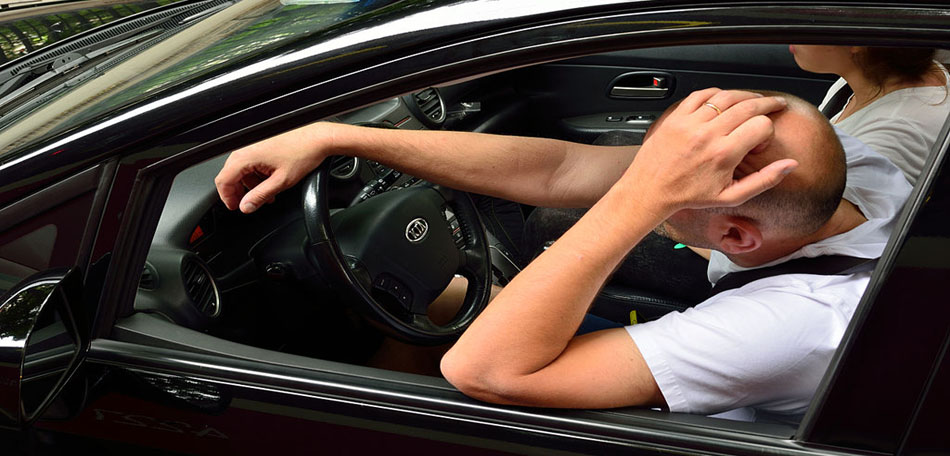


Yes, you can still have a personal injury case even if you feel fine after a car accident. In fact, some of the most serious crash injuries are the ones that take days or even weeks to show symptoms. Feeling okay at the scene tells you very little about what actually happened to your body.
Why You Might Not Feel Hurt Right After a Crash
A car accident floods your body with adrenaline and endorphins. These chemicals are designed to mask pain and keep you functioning through an emergency, and they can keep doing that for hours after the collision. Shock has a similar effect. Many people walk away from a crash, tell the responding officer they are fine, and wake up the next morning unable to turn their head.
That gap between the accident and the first symptoms is completely normal, and Illinois law does not require you to feel hurt at the scene to bring a claim later.
Injuries That Often Show Up Days Later
Some of the most common delayed-onset injuries we see in car accident cases include:
- Whiplash and other neck injuries. Stiffness and pain frequently appear 24 to 72 hours after impact.
- Concussions and other brain injuries. Headaches, brain fog, dizziness, or mood changes may not register until you are back at work and something feels off.
- Back and spinal injuries. A herniated disc can start as mild soreness before becoming radiating pain or numbness.
- Soft tissue injuries. Sprains and deep bruising often worsen over the first several days rather than improve.
- Internal injuries. Abdominal pain, deep bruising, or dizziness that appears after a crash needs immediate medical attention.
If any of these symptoms show up in the days after your accident, see a doctor right away and mention the crash. That medical record is what connects your injury to the collision.
What Illinois Law Says About Your Right to Compensation
In Illinois, you generally have two years from the date of the accident to file a personal injury lawsuit. That window matters because injuries are not always obvious on day one. What matters for your case is not how you felt at the scene, but what your medical records show once symptoms appeared and you sought treatment.
Waiting to get checked out, however, cuts both ways. The longer the gap between the crash and your first medical visit, the harder the insurance company will argue that something else caused your injury. A prompt exam protects both your health and your claim.
Be Careful What You Tell the Insurance Company
Insurance adjusters often call within a day or two of a crash, while you still feel fine, and ask you to confirm that you were not injured. They may also offer a quick settlement for vehicle damage that includes a release of all injury claims. Signing that release before your symptoms appear can end your case before it starts.
Do not confirm you are uninjured, and do not accept any settlement, until you have actually been evaluated by a doctor. Our guide on what to do after a minor car accident walks through each step, and if your injuries do develop, it helps to understand what a typical car accident settlement looks like before you talk numbers with anyone.
When to Talk to a Lawyer
If you’re injured or you think you’re injured in an accident or collision you should call us at Phillips Law Offices. You need to protect your rights. The insurance company is going to investigate the claim quickly and you should as well, to preserve evidence and get the names of witnesses.
The Illinois personal injury law firm of Phillips Law Offices has represented injured people and their families for decades. If you were in a crash and are not sure whether you have a case, a Chicago car accident lawyer on our team can review it with you at no cost, and we take no fee unless we win.