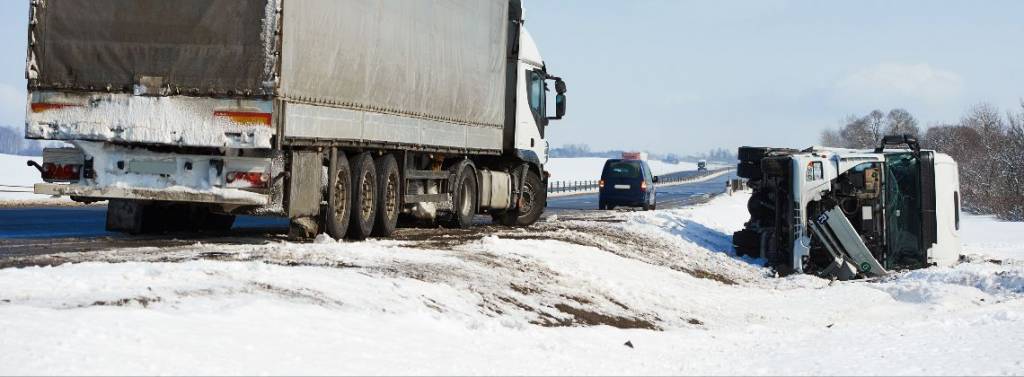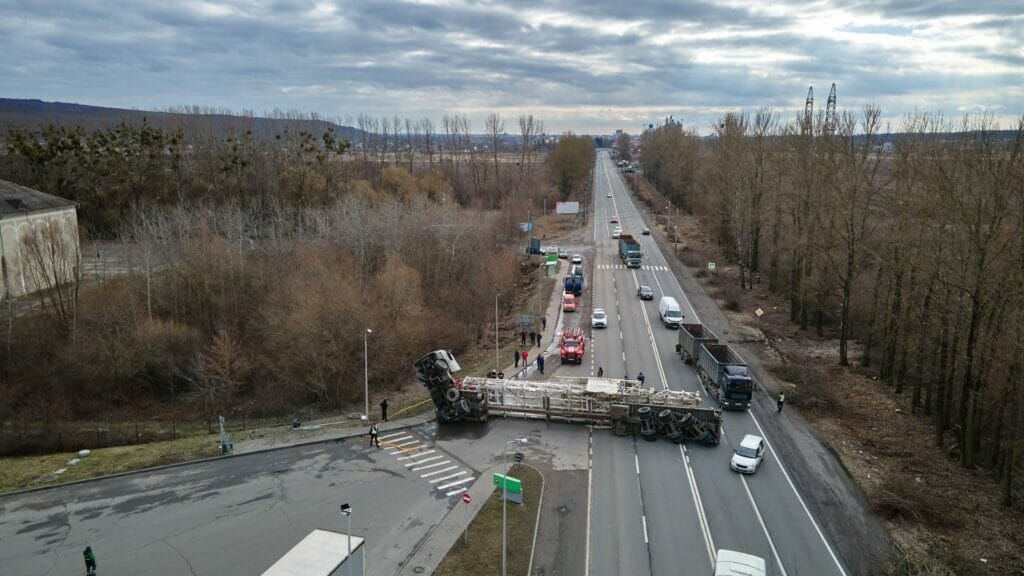


A semi-truck’s “black box”, formally an Event Data Recorder (EDR), is an onboard device that logs speed, braking, steering, and other operating data in the seconds before, during, and after a crash. It’s often the single most objective piece of evidence in a Chicago truck accident case, because it records what actually happened rather than relying on driver statements or witness memory.
How It Works
Data Monitoring and Storage
EDRs continuously collect and store a variety of vehicle and driver inputs. Typical data points include:
- Vehicle speed and engine RPM
- Brake application and throttle position
- Steering wheel movements
- Seatbelt usage
- GPS location and distance traveled
- Cruise control status and gear selection
Crash Event Capture
When a collision occurs, the device records a short time window leading up to, during, and after the impact. That sequence of data helps experts recreate the moments that led to the crash.
Electronic Logging Devices (ELDs) Are a Separate System
Many commercial trucks also carry ELDs, which are legally distinct from EDRs. Since December 2017, the Federal Motor Carrier Safety Administration’s ELD rule has required most interstate commercial drivers to log hours of service electronically rather than on paper. ELDs record driving time, engine hours, and mileage, and, unlike EDRs, which are designed to capture crash events, they’re built to track compliance with rest-break and driving-hour limits over an entire shift. In a truck accident case, both systems matter, but for different reasons: EDR data reconstructs the crash itself, while ELD data can reveal whether the driver was fatigued or over their legal hours at the time.
How EDR Data Compares to a Police Report
Responding officers estimate speed and impact based on skid marks, vehicle damage, and witness accounts, useful, but inherently approximate. EDR data is measured directly by the vehicle’s own sensors in real time, which is why it typically carries more weight than an officer’s estimate when the two conflict, and why insurers and courts treat it as stronger evidence.
Why Black Box Data Matters
Accident Reconstruction
EDR data provides objective, time-stamped evidence of vehicle behavior. This helps answer questions like whether the truck was speeding, if the brakes were applied, or if the driver made evasive maneuvers.
Regulatory and Safety Compliance
EDR and ELD data can show whether drivers and carriers followed safety rules, such as required rest periods, helping identify violations that may have contributed to the crash.
Legal Evidence
In lawsuits and insurance claims, black box data is often decisive. It can corroborate or refute witness statements, demonstrate negligence, and strengthen a victim’s case for compensation.
Why Black Box Evidence Is Especially Important in Chicago
In Chicago, heavy truck traffic on routes like I-90, I-94, I-290, and Lake Shore Drive, combined with dense urban congestion, makes collisions complex. Black box data is especially valuable here because it can:
- Reconstruct events in multi-vehicle crashes on busy expressways
- Reveal unsafe lane changes or speeding in congested traffic
- Expose fatigue or hours-of-service violations recorded by ELDs
- Counter trucking company narratives when liability is disputed
How to Obtain Black Box Data After a Truck Accident
Trucking companies and their insurers are rarely willing to hand over EDR or ELD data voluntarily, since it often reveals fault. In most cases, an attorney sends a spoliation letter immediately after the crash, a formal notice demanding that the carrier preserve all electronic data and warning that destroying it can result in legal penalties, including sanctions in court.
If the carrier still refuses to cooperate, the next step is typically a subpoena or a court order compelling production of the data. Because many EDR systems only retain a limited number of crash events before older data is overwritten, and some ELD logs are purged on a rolling basis, the window to secure this evidence closes fast, often within days to a few weeks of the crash.
If a trucking company or its insurer is stalling on releasing black box data in your case, don’t wait for them to volunteer it, contact a Chicago truck accident attorney who can send a preservation letter today.
What If the Company Claims the Data Was Lost or Corrupted?
Once a carrier is on notice of a potential claim, typically once they’ve received a spoliation letter or been contacted by an attorney, they have a legal duty to preserve relevant evidence. If they destroy or lose data after that point, courts can impose sanctions, including an “adverse inference” instruction that allows a jury to assume the missing data would have been unfavorable to the trucking company. That’s why sending the preservation letter early matters: it establishes the point at which the duty to preserve began.
Who Can Access and Interpret the Data
Raw EDR data isn’t useful without the right tools. Different ELD providers (common systems include Motive, Samsara, and Omnitracs) format their data differently, and EDR data varies by engine and vehicle manufacturer. Attorneys typically work with accident reconstruction specialists who use manufacturer-specific software to extract and translate the data into a readable report, covering speed, braking force, and driver inputs in the seconds before impact.
Preserving Black Box Data
EDR and ELD data can be overwritten or become unavailable if not preserved promptly. It’s important to act quickly after a crash to ensure this evidence is secured by investigators or legal counsel. For more on the federal recorder standards themselves, see NHTSA’s overview of Event Data Recorders.
Frequently Asked Questions
Can I request the black box data myself?
You can ask, but trucking companies and their insurers routinely deny informal requests from injured parties. A spoliation letter and, if necessary, a subpoena carry legal weight that a personal request typically doesn’t.
How long does a trucking company have to preserve black box data?
There’s no fixed statutory deadline, but a carrier has a legal duty to preserve evidence once it’s on notice of a potential claim. Courts can sanction a company that destroys data after receiving a preservation letter, but that protection only applies once the letter has actually been sent, which is why acting fast matters.
Is EDR data the same as an ELD log?
No. An EDR captures a short window of crash-event data (speed, braking, steering). An ELD logs a driver’s hours of service across an entire shift. A thorough truck accident investigation typically requests both, since they answer different questions.
Contact a Chicago Truck Accident Attorney at Phillips Law Offices
If you or a loved one was hurt in a truck accident in Chicago, timely action is critical to preserve black box evidence and protect your rights. Contact Phillips Law Offices today for a free consultation. Our Chicago truck accident attorneys know how to secure, analyze, and use EDR/ELD data to build a strong case and pursue maximum compensation on your behalf.