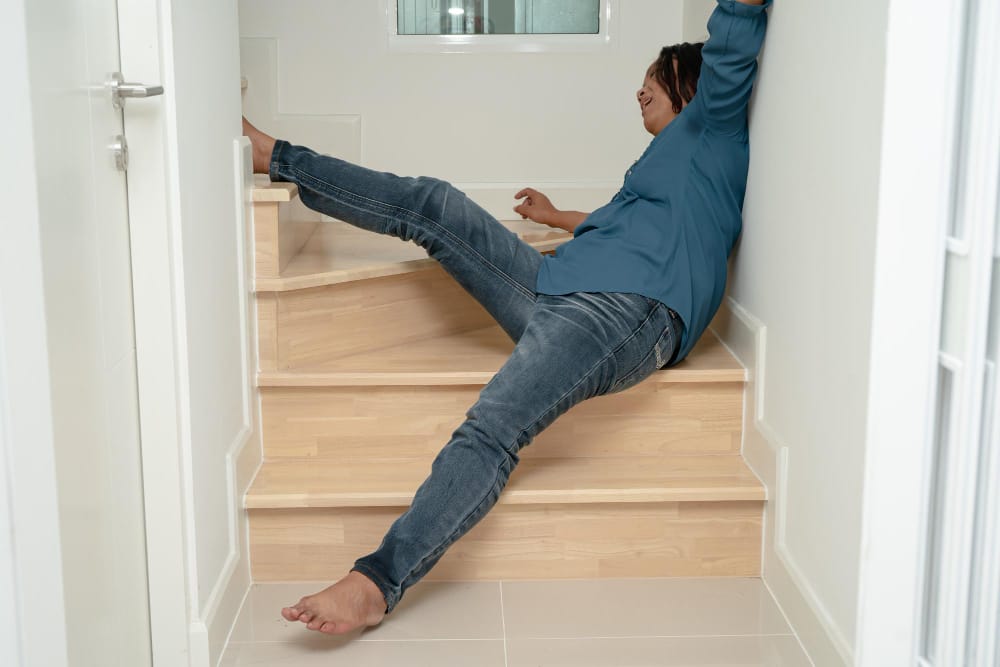


Slip and fall accidents happen when someone loses their footing and gets injured on someone else’s property. These incidents can occur in places like grocery stores, sidewalks, office buildings, and restaurants. While some falls may result in minor bruises, others can lead to severe injuries like broken bones, concussions, or long-term disabilities.
Winning a slip and fall case isn’t just about proving that you fell. It requires gathering strong evidence, understanding legal principles, and showing that the property owner was negligent. This guide will walk you through the essential steps needed to build a solid case and increase your chances of getting fair compensation.
Understanding Premises Liability
Premises liability is a legal concept that holds property owners responsible for maintaining safe conditions on their property. If a person is injured due to hazardous conditions like wet floors, uneven sidewalks, or poor lighting, the property owner may be held accountable.
However, not every accident automatically makes the owner liable. The injured person must prove that the owner knew or should have known about the dangerous condition and failed to fix it. If the hazard was obvious or the injured person acted carelessly, the case might be harder to win.
Steps to Take Immediately After a Slip and Fall Accident
If you fall and get injured, the first thing you should do is seek medical attention. Even if your injuries seem minor, seeing a doctor ensures your health is prioritized and creates a medical record that can support your case.
Next, document the accident scene. Take photos and videos of where you fell, any hazards (like wet floors or broken steps), and any warning signs—or lack thereof. This evidence can help prove your claim later.
Gathering witness statements is also crucial. If anyone saw your fall, ask for their contact information and a brief statement about what they saw. Their testimony can strengthen your case by confirming what happened.
Finally, report the accident to the property owner or manager. Whether it’s a store, apartment complex, or workplace, informing them creates an official record that can be used in your case.

Proving Negligence in a Slip and Fall Case
To win a slip and fall case, you must prove negligence. This means showing that the property owner had a “duty of care” to keep the area safe and that they failed in this duty, causing your injury.
Negligence is established by demonstrating that the owner knew (or should have known) about the hazard and did not take reasonable steps to fix it. For example, if a store had a wet floor without warning signs for hours, that could indicate negligence.
Evidence plays a key role in proving negligence. Security footage, medical records, and expert testimony from safety professionals can all help show that the owner’s lack of action directly led to your fall and injuries.
Common Defenses Used Against Slip and Fall Claims
Property owners and their insurance companies often use several defenses to avoid paying a claim. One common defense is “comparative negligence,” meaning they argue that you were partially responsible for the fall. For example, if you were looking at your phone while walking, they might say you weren’t paying attention.
Another defense is the “open and obvious doctrine.” This means the owner argues that the hazard was so clear (like a large hole or a wet floor sign) that a reasonable person should have noticed and avoided it.
Lastly, owners may claim “lack of notice,” meaning they weren’t aware of the dangerous condition. If they didn’t know about the hazard and had no reasonable way to fix it in time, they might not be held responsible.
How Long Does a Slip and Fall Case Take?
The time it takes to resolve a slip and fall case varies based on several factors. Cases involving clear evidence and willing insurance companies may settle in a few months, while complex cases that go to court can take a year or longer.
If both sides agree to a settlement, the process is faster. However, if the case goes to trial, it can take longer due to court schedules, evidence gathering, and negotiations. Working with an experienced attorney can help speed up the process and ensure you get the best possible outcome.
How Much Compensation Can You Receive?
Compensation for a slip and fall case depends on the severity of your injuries and other damages. Medical expenses, including hospital bills, surgery costs, and physical therapy, are commonly covered.
Lost wages are another factor. If your injury prevents you from working, you may be entitled to compensation for the income you missed.
Pain and suffering also play a role. This includes emotional distress, chronic pain, and reduced quality of life due to your injuries. Some cases result in large settlements, especially if the injuries are severe and life-altering.
Hiring a Slip and Fall Lawyer
Having a skilled slip and fall lawyer increases your chances of winning the case. They understand the legal system, know how to gather evidence, and can negotiate with insurance companies to get you fair compensation.
When choosing a lawyer, look for experience in personal injury cases, a strong track record of settlements, and good client reviews. Many lawyers offer free consultations, so you can discuss your case before making a decision.
Contact Slip and Fall Lawyer Chicago at Phillips Law Offices
If you’ve been injured in a slip and fall accident in Chicago, Phillips Law Offices can help. Our experienced legal team has handled many cases like yours and can guide you through the legal process.
Contact Phillips Law Offices today for a free consultation at (312) 346-4262. We will evaluate your case, discuss your options, and help you fight for the compensation you deserve.
Interesting Reads:
Slip and Fall Settlements With Surgery