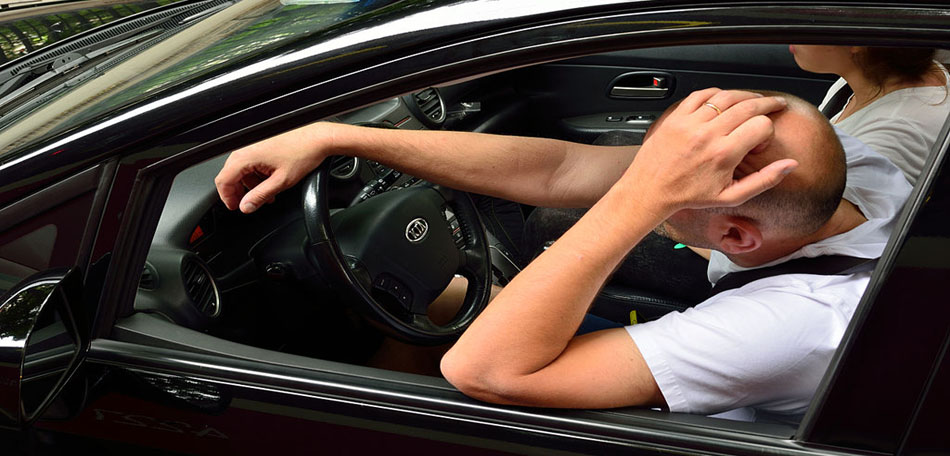

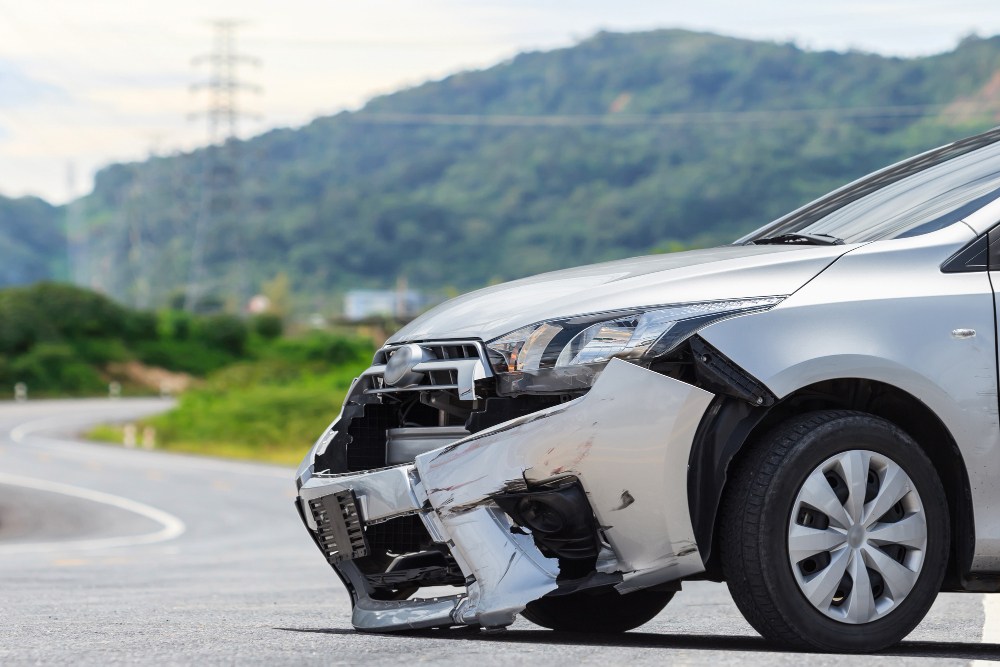
Accidents involving 3 vehicles often leave drivers unsure about who caused the incident. Many people believe that if your car is in the middle, you are always to blame. However, that is not always accurate. Understanding how responsibility is decided in these situations is important for anyone who drives. It can help you stay calm and take the right steps if you are ever in this situation.
When two cars crash, figuring out who is responsible can be easier. But with three cars, things can become more uncertain. Every vehicle may play a different part, and sometimes more than one person shares the blame. The rules for deciding fault aim to be fair, but drivers must know what to expect and how to protect themselves.
In this post, you’ll learn how fault is decided, what evidence is needed, and what steps you should take if you are involved in a three-car pileup. We’ll look at different collision situations, provide examples, and answer common questions to help clear up any confusion.
What Is a 3-Vehicle Collision?
A 3-vehicle collision happens when three cars run into each other during the same event. This can occur in several ways. Sometimes, all three cars hit each other at nearly the same moment, such as when cars are stopped at a light and get pushed from behind. In other cases, one crash leads to another, causing a domino effect down the line of cars.
Most often, these crashes occur on busy streets or highways, especially when traffic is heavy or drivers are following too closely. At times, bad weather plays a role, making it hard for drivers to brake in time.
The most common three-car crash is called a chain reaction. In this, the car at the end fails to stop and hits a second car, which then hits a third car in front. These setups make it easy for people to assume the middle car must have done something wrong, but that is not always the case.
All three drivers, or just one, can be found responsible, depending on what happened. That’s why it’s important to look closely at each situation.
Common Scenarios Where the Middle Car Could Be at Fault
The middle car may be found responsible if it did something unsafe, but this is not automatic. Here are some typical scenarios that can lead to the middle car being blamed:
Following too closely: If the middle car does not leave enough space between itself and the front car, it may crash into it if the traffic suddenly stops. In this case, the middle car did not react properly and can be blamed.
Distracted driving: If the driver of the middle car is looking at their phone, changing the radio, or talking to someone, they may not notice traffic slowing ahead. This lack of attention can lead to a rear-end collision in the middle spot.
Mechanical problems: If the middle car’s brake lights are not working, the driver behind them might not see them stopping. In this case, even if the middle car is not wholly to blame, it may still share some responsibility because its car was not maintained properly.
Sudden stops: Sometimes, the middle car slams on the brakes without a clear reason, giving the rear car little chance to react. If the move was unnecessary, the middle car may be at fault for causing the pileup.
These examples show that the middle car may be responsible in certain situations, especially if the driver breaks any road rules or fails to drive safely.
Key Factors in Fault Determination
Deciding who is at fault in a three-car accident requires looking at several important details. Each case is different, but certain factors always matter:
Driver actions: Investigators want to know what each driver was doing in the moments leading up to the crash. This includes how closely they were following the car in front, how fast they were driving, and whether they reacted reasonably to traffic.
Weather and road conditions: Rain, fog, or icy roads make stopping harder. If the roads were slick, all drivers might need to keep more distance. Wet or poorly marked roads might also play a part in the crash.
Third-party issues: Sometimes, problems unrelated to the drivers help cause the crash. These can include things like potholes, debris, sudden roadblocks, or poorly working traffic signals. Investigations should consider if something outside the drivers’ control contributed to the crash.
Evidence collected: Things like police reports, dashcam video, and witness statements help tell the story of the crash. Insurance companies and police look at all available evidence to figure out who did what—and when.
Police and insurance companies take these factors into account to make sure their decision about fault is fair.
Is the Middle Car Always at Fault?
It’s a common misconception that the middle car is always responsible. The truth is, responsibility depends on what each driver did or didn’t do.
The middle car is not always at fault. In many cases, the rear driver failed to leave enough space or wasn’t paying attention, causing the pileup. For example, if the front car stops normally, the middle car stops in time, but the rear car hits the middle car and pushes it forward, the rear car may be blamed—the middle driver did what they should have.
On the other hand, if the middle car was speeding, distracted, or following too closely, it might not stop in time. If it then hits the front car and causes a chain reaction, the middle car could be responsible for both hits.
Sometimes, all three drivers share a portion of the blame. For example, if everyone was driving too fast for road conditions or not paying attention, the investigation may show that fault is shared.
Always remember, fault is never automatic just because your car is in the middle spot. Each case is decided based on its own facts and evidence.

How Is Fault Legally Assessed in a Three-Car Accident?
When lawyers, police, or insurance companies look at a three-car accident, they follow certain steps to make sure their decision is fair. Here’s how it works:
Examining driver behavior: Investigators look for any sign of unsafe driving, like tailgating, sudden lane changes, speeding, or distracted driving.
Shared responsibility (contributory negligence): Sometimes, more than one person shares the blame. For example, if both the middle and rear drivers were too close to the car ahead, both might be found partly responsible. The amount of blame each driver gets affects how much their insurance company pays.
Insurance claims: Each driver’s insurance company will examine the evidence and may try to limit their own costs. They’ll decide how much to pay for damage and injuries depending on the share of fault.
Accident reconstruction: If the collision was severe or involved injuries, experts may be called in to recreate the event. They use things like skid marks, car damage, and electronic records to figure out exactly what happened.
By looking at these factors, the authorities give a fair answer about who is responsible for what portion of the event.
What Evidence Is Used to Decide Fault?
Proper evidence is necessary to determine fault after a three-car collision. The main types of proof investigators and insurance adjusters use include:
Event data recorders: Many modern cars have built-in “black boxes,” much like airplanes do. These record vehicle speed, braking, and steering in the moments before a crash.
Dashcam video: Dashcams or even security cameras that overlook the street can show what really happened. Video can catch details people miss or remember incorrectly.
Eyewitness statements: People who saw the crash can help police understand how the collision started and how each car ended up.
Police reports: Officers who arrive at the scene will talk to drivers, look at the position and damage of the cars, and record their findings. Their reports are often very helpful for insurance and legal claims.
Combining this evidence puts together a more accurate picture of what happened, making the decision about fault as clear as possible.
Case Studies & Examples
Let’s explore some real examples to see how fault is determined:
Rear-end chain reaction: Imagine three cars are stopped at a red light. The rear car doesn’t slow in time and hits the middle car, pushing it forward into the front car. In this case, the back driver is usually blamed for not stopping.
Unsafe lane change: If the middle car suddenly swings into another lane without looking, it might hit the front car and then get hit by the rear car. The middle car can be held mostly, or even fully, responsible for making an unsafe move.
Sudden stops due to hazards: If a pothole or animal in the road causes the front driver to brake suddenly, and the cars behind are too close, the responsibility may be shared between more than one car.
These examples show how small details can change who is found responsible.
Steps to Take After a 3-Car Accident
Right after a three-car accident, it’s important to do things in a calm and measured way:
Check for injuries: The first step is making sure everyone is okay. Call emergency services if anyone is hurt.
Move to a safe spot: If you can, move your vehicle to the side of the road to stay out of traffic and avoid further danger.
Exchange information: All drivers should share their names, contact details, insurance information, and vehicle details.
Document the scene: Take photos of the cars, license plates, road conditions, and any damage. If you have a dashcam, save the footage.
Talk to witnesses: If anyone nearby saw the crash, ask if they are willing to provide their contact information and tell their version of what happened.
Get a police report: Ask for an official report from the scene. This document is very helpful for insurance and legal claims.
Contact your insurance company: Let your insurer know about the crash as soon as you can. Give them all the information you collected.
Following these simple steps helps protect your rights and makes sure nothing gets overlooked during the insurance process.
Why Fault in Three-Car Accidents Is Complicated
Fault is not always straightforward in these situations because each driver’s exact actions—and even outside events—must be considered. One person might make a minor error, while another reacts poorly. Weather, road repairs, or a sudden medical problem can also play roles.
This is why police and insurance agents look closely at every fact. They want to make sure their decision is fair to all involved. Sometimes, everyone shares in the responsibility to some degree, and other times, only one driver is to blame.
Understanding this helps drivers know that even if their car was in the middle, it doesn’t mean they are necessarily going to be found at fault.
Can Front or Rear Drivers Be At Fault?
Absolutely. Front and rear drivers can be responsible depending on their behavior and the circumstances.
If the front car changes lanes or slams on the brakes carelessly, it may cause the cars behind to crash. If the rear driver is looking at their phone or not paying attention, they might hit the cars in front even if those drivers stopped safely.
This is why investigations look at everyone’s actions and not just the car in the middle. Each driver has their own responsibilities on the road.
Legal Outcomes and Insurance Impacts
Being found responsible for a three-car accident has important legal and insurance results. If a driver is blamed, their insurance might have to cover repair bills or medical costs—even if the damaged cars don’t belong to them. The more “at fault” someone is, the more they or their insurance may have to pay.
In cases where blame is shared, each driver’s insurance covers their share. For example, if two drivers are both 50% at fault, their insurance companies might each cover half the costs. This sharing of blame—or “contributory negligence”—is common in multi-car situations.
Insurance premiums may also increase after a crash, especially if you are mostly or completely to blame. That’s why it’s important to drive carefully and know your rights.
Mechanical Failures & Road Hazards
Sometimes, something other than a driver’s mistake causes a crash. Common reasons might be:
- Sudden tire blowouts
- Broken brake lights
- Slippery or uneven road surfaces
- Objects or animals appearing on the road
If a mechanical failure causes a car to slow or stop, and it leads to an accident, some blame may shift from the drivers to the company that made or repaired the car. Similarly, if poor road design or a lack of warning signs leads to a wreck, those in charge of the road may share responsibility.
It’s important to report these issues to police and insurance companies, as they help make sure blame is given fairly.
What to Do If You’re the Middle Car
If you find yourself as the middle car in a three-car spread, here are some steps to protect yourself:
- Remain calm and polite when talking to others involved and police.
- Give your honest account and avoid guessing if you’re unsure about a detail.
- Make sure you collect all possible evidence—photo, witness statements, dashcam footage.
- Call your insurance company promptly and follow up with any required documents.
- Ask about your rights and options, especially if you’re blamed for something you didn’t do.
If you’re worried about being wrongly found at fault, consider talking to a lawyer for advice. The right information and attitude can make a big difference in the outcome.
Frequently Asked Questions
Is the middle car always at fault in a chain reaction crash?
No, the middle car is not always to blame. The decision is based on the actions of all drivers. Sometimes the rear driver is mostly or fully responsible, especially if they hit the middle car first.
Can the front car be responsible in a 3-car collision?
Yes. If the front driver stops quickly without reason, changes lanes without warning, or does something unsafe, they can be found at fault.
What if the middle car was pushed into the front car by the rear car?
In this case, the rear driver is usually to blame because their actions set off the chain reaction.
When is the rear car at fault in a three-vehicle accident?
Often, the rear car is at fault for not stopping in time or following too closely. This creates a domino effect, especially if traffic is heavy.
How do police reports and witnesses affect fault determination?
Police reports and witness accounts are very helpful in understanding what happened. They provide details that help insurers and investigators make the right decision.
Are there situations where more than one driver shares fault?
Yes, it’s common for blame to be shared. If more than one driver was careless or reacted poorly, both may be found at fault.
Does distracted driving of the middle car always mean liability?
Distracted driving can make the middle driver responsible, but only if that distraction contributed to the crash.
Can mechanical failures shift liability in a 3-car accident?
If a mechanical problem, like failed brakes, contributed, some blame may rest with the car maker or repair shop.
How should you file an insurance claim after a multi-car collision?
Contact your insurance company quickly, provide all evidence, and wait for instructions. Following the steps in this article will help your claim go more smoothly.
What evidence helps prove fault in a three-vehicle pileup?
Photos, dashcam footage, police reports, and witness statements are the most useful types of evidence.
Should you consult a lawyer after a 3-car crash?
If you are being blamed unfairly, suffered an injury, or the insurance process is confusing, speaking with a lawyer is a good idea.
What if the accident involved a rideshare vehicle (Uber/Lyft)?
Extra insurance may be available if a rideshare driver is involved. Their company and policies will help decide who pays for damages.
Contact Phillips Law Offices For Car Accident Injury Case in Chicago
If you were in a three-car accident in Chicago and aren’t sure who was at fault, Phillips Law Offices can help you understand your rights. It’s easy to feel confused after a crash, but our team is ready to guide you and make sure your side of the story is heard. We listen to your concerns, look into every detail, and stand by you from start to finish.
Reach out to Phillips Law Offices today if you need help after a car accident in Chicago. We offer free case reviews and honest advice. Here’s what you can expect from us:
- Friendly team ready to answer your questions
- Free consultation about your accident
- Careful review of your accident details
- Support through every step of your case
- No fees unless we win for you
Call (312) 346-4262 Phillips Law Offices now to talk about your three-car accident and get the help you deserve.
Multi-vehicle collisions are common on the busy highways running through Kane County, including I-88 and Route 31. If you were the middle car in a chain-reaction crash in the Kane County area, our Kane County car accident lawyers can help determine liability and protect your right to compensation.
Multi-car collisions on busy roads like Dempster Street and Old Orchard Road in Skokie often lead to complicated liability disputes. If you were involved in a chain-reaction crash in Skokie, our Skokie car accident lawyers can help determine fault and fight for your compensation.
Multi-vehicle crashes at busy Arlington Heights intersections like Rand Road and Palatine Road require careful fault analysis. If you were in a car accident in Arlington Heights, our Arlington Heights car accident lawyers can determine liability and fight for your compensation.
Chain-reaction crashes on Winnebago County’s busy roads like Route 20 and I-90 can involve complex liability questions. If you were the middle car in a multi-vehicle crash, our Winnebago County auto accident legal team can sort out fault and protect your rights.
Interesting Reads:
What Car Accident Lawyer Do For You?
Multi-vehicle accidents often result in complex injuries requiring extensive medical treatment. When the treatment itself causes additional harm — through surgical errors, misdiagnosis, or medication mistakes — it may give rise to a separate malpractice claim. Our medical negligence attorneys serving Elgin and Kane County can evaluate whether you have both an accident claim and a malpractice claim.