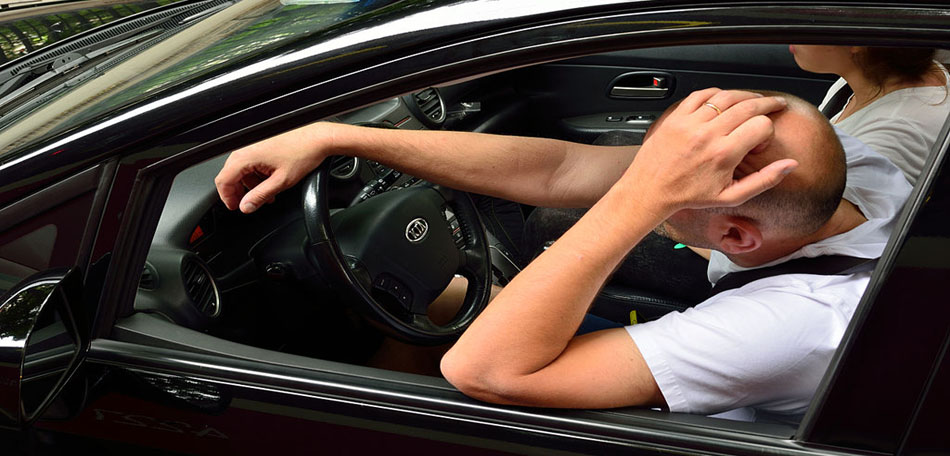

When your child starts driving, it’s natural to have concerns about safety—and about what could happen if they get into an accident. For many families, letting a teen behind the wheel is both a proud milestone and a stressful experience. One of the biggest questions parents have is whether they can be blamed or held financially responsible if their child causes a car accident. The answer depends on several factors, including local state laws, the details of the accident, and the specific relationship between parent and child.
This article explains the situations where parents can be held responsible, key legal ideas you should know, types of insurance to consider, and common questions families have about these situations. By understanding your rights and responsibilities, you can make better decisions and help protect your family.
What Does Parental Liability Mean in Car Accidents?
Parental liability essentially means a parent could be held legally responsible for harm caused by their child’s actions, such as a car accident. Even though children, especially teenagers, might not always exercise good judgment, the law sometimes assigns responsibility to parents—mainly when the driver is underage or when the parent has contributed by allowing risky behavior. Consulting with a family car accident lawyer in Illinois can help parents understand their rights and potential responsibilities in these situations.
A parent’s financial responsibility might involve paying for property damage, medical bills, or lawsuits if someone sues after an accident. These liabilities can come from being the car owner, signing a form allowing a minor to get a license, or letting a child drive when they knew or should have known it was a bad idea.
Not every accident leads to parental responsibility. Courts will look at the facts: Was the parent careless in some way? Did they give permission? Did they know their child wasn’t fit to drive? These questions guide whether a parent can be legally required to pay for damages.
State-Specific Laws and Variations
Liability rules for parents vary widely from state to state. In some places, laws are stricter and parents can be held responsible even if they weren’t involved with the accident or didn’t know their child was driving. Other states are more lenient and only place responsibility on parents under certain circumstances.
Many states have something called “family purpose” doctrine or laws that make car owners liable for accidents caused by anyone they allow to drive the vehicle, especially if that person is a minor living at home. Some states require parents to sign paperwork accepting financial responsibility when their minor child applies for a driver’s license. This form is legally binding and can make parents responsible for any accidents caused by their child until the child turns eighteen.
Depending on where you live, you may want to talk to a local attorney or read your state’s regulations carefully. Knowing how your state treats parental liability can keep you from surprises if your child is involved in an accident.
Major Legal Doctrines Explaining Parental Responsibility
Vicarious Liability Explained
Vicarious liability is a legal idea that lets someone be responsible for another person’s actions, even if they didn’t directly cause harm. In the context of car accidents, this often comes up when a parent owns the family vehicle and lets their child use it. If the child has an accident, the owner (the parent) might be named in a lawsuit, since they’re considered responsible for how their vehicle is used.
For vicarious liability to apply, there usually must be a relationship—like employer and employee, or parent and child—that justifies sharing legal responsibility. Some states apply this rule very broadly; if a child has permission to use the car, anything that happens could become the owner’s problem, even without direct involvement.
However, vicarious liability does not always mean automatic blame. Courts look at whether the child had permission to drive, was acting within the “scope” of that permission, and whether the owner had any reason to believe an accident was likely to happen. If a parent took every reasonable precaution and the child was not acting with permission, responsibility may not fall on the parents.
Family Purpose Doctrine: When Family Cars Lead to Liability
The family purpose doctrine takes vicarious liability a step further. This rule says that if a car is bought and maintained for the general use and convenience of the family, the owner (typically a parent) is responsible for any accidents that occur when a family member is using the car for family-related purposes.
For example, if a teen driver borrows the family sedan to get groceries or attend a school event and gets into a collision, the parent can be named in a lawsuit—even if they weren’t in the car or didn’t know it was being used at the time. The idea is that the family’s benefit from owning a car brings the risk of accidents, so the owner should be prepared to cover any damages.
Not every state uses the family purpose doctrine, but in those that do, it’s important for parents to understand how broad it can be. Letting a child frequently use a family vehicle may increase your legal exposure if an accident happens.
Negligent Entrustment: Allowing an Unfit Driver
Negligent entrustment makes parents responsible when they let someone they know is dangerous, inexperienced, or unfit drive a car. If you knowingly hand the keys to someone who shouldn’t be driving—like a child without a license, someone under the influence, or someone with a record of bad driving—the law can hold you accountable for what happens.
For instance, if you let your child drive after seeing they are unwell, tired, or upset, and they cause an accident, the court may say you were negligent for allowing it. This doctrine is common in lawsuits after serious accidents, especially when the injured party claims the parent should have known better.
The rule exists to encourage responsible behavior and careful oversight by car owners, especially parents. It’s not about punishing honest mistakes. Instead, it targets willful or reckless decisions—like ignoring warning signs, or turning a blind eye to risky behavior, which leads to harm.
When Are Parents Not Liable for Children’s Accidents?
There are many cases where parents are not liable for accidents caused by their children. In general, when a child turns eighteen, they are considered an adult and gain legal responsibility for their own actions. Unless a parent directly contributed to or caused the accident—for example, by pushing an obviously unsafe driving situation—they usually are not held responsible after their child becomes a legal adult.
If a parent did not give permission for the child to use the car, did not own the vehicle, or had no involvement in arranging the driving situation, courts rarely hold them liable. The law tends to focus on the facts—was there neglect, improper permission, or oversight? If not, the child’s actions are their own.
Another common exception is when an accident takes place in a vehicle not owned by the parent, or when the parent had expressly forbidden the child from driving. Proof of these facts can be important if there is ever a lawsuit. Proper documentation and clear rules at home can help reduce the chance of parents being unfairly named in legal claims.
Insurance Implications for Parents
Many people wonder whether a parent’s auto insurance will pay for accidents caused by their child. In most cases, if a child lives at home and is a listed driver under the family’s car insurance, the policy will help cover damage and injuries after a crash. This is true even if the parent wasn’t present or involved.
However, insurance companies require you to disclose all regular drivers of your car. If your teen is driving often but is not named on the policy, the insurer might deny a claim or even drop your coverage after an accident. Accurate and up-to-date information helps keep your policy valid and claims process smooth.
Frequently, a claim involving a young driver can raise premiums for the entire family. This is because insurance companies see teen drivers as higher-risk. In some cases, the cost may stay high for several years after a serious accident. Reviewing your policy, making sure everyone is properly covered, and asking about discounts for safe-driving programs can help keep costs reasonable.
Common Scenarios Raising Parental Liability
Teenager Driving Without a License
When a teen drives without a license, parents who allow it can face legal trouble if there’s an accident. The law sees driving without a license as unsafe and irresponsible. If parents know their child is not licensed and still let them drive, they might be held responsible for any harm or damage the teen causes.
Driving an Unsafe or Poorly Maintained Vehicle
When a child drives a car that isn’t safe—like one with bad brakes, broken lights, or other problems—parents can be blamed if they own the vehicle and haven’t fixed it. If the car causes an accident because of these issues, and the parent was aware but did nothing, the parent could be held responsible for allowing their child to drive an unsafe car.
Letting a Child Drive With Too Many Passengers
Too many people in one car can distract a young driver or make the car harder to control. If parents allow their child to drive a group of friends without setting any rules, they might be seen as careless. If an accident happens in these circumstances, the parent could be considered partly responsible for not supervising or restricting how their child uses the vehicle.
Regular, Ongoing Permission to Use the Family Vehicle
If a parent gives their child regular permission to use the family car, it means they accept some risks of the child driving. Courts and insurance companies may look at how often the teen uses the car and under what conditions. If an accident happens, the parent might be responsible because they allowed and approved the child’s repeated use of the vehicle.
FAQ: Parents’ Liability for Children’s Car Accidents
Are parents automatically liable if their child causes a car accident?
In most cases, parents are not automatically responsible. Liability depends on state law, who owns the car, whether the parent gave permission, and if negligence or a legal doctrine like family purpose applies.
What is the difference between vicarious liability and negligent entrustment?
Vicarious liability means a parent (as car owner) is responsible for someone else’s actions just because of their relationship. Negligent entrustment requires proof the parent allowed the use of the car despite knowing the driver was unfit, untrained, or posed a risk.
Does insurance cover an accident caused by my child?
If your child is a covered driver on your policy and you’ve followed all insurance requirements, your policy should pay for covered losses, up to its limits. However, claims can boost your premiums.
Are parents liable for 18-year-olds’ car accidents?
Once the child is eighteen, they’re treated as an adult. Parents are usually no longer responsible unless they did something directly to cause or allow the accident.
Can parents be sued if their child drives without a license?
Yes, if you knowingly allowed your minor child to drive without a license, you could be held responsible if an accident occurs.
How does the family purpose doctrine affect parental liability?
This rule makes parents responsible if a family vehicle is used by a family member for family-related purposes. Not all states apply this doctrine.
Will my insurance premiums increase after my child’s accident?
Usually, yes. Accidents involving teen drivers often lead to higher premiums because of the risk profile.
How can I protect myself against liability for my child’s driving?
Insure all drivers, set clear car-use rules, and never allow risky or unauthorized driving. Consider higher liability limits and talk with your insurance agent about safety and coverage.
Are specific states stricter about parental liability than others?
Yes—some states enforce parental liability more aggressively than others, especially through laws or court decisions.
What should I do if my teen was involved in an accident?
Stay calm, make sure everyone is safe, contact your insurance company, and consider speaking with a lawyer who knows your state laws.
Injured in a Car Accident in Chicago? Contact Phillips Law Offices Today
If you or your loved one was hurt in a car accident in Chicago, don’t wait to get help. The experienced team at Phillips Law Offices is ready to answer your questions and guide you through what to do next. We understand how stressful accidents can be, especially when children or teens are involved.
Get in touch today to discuss your situation, learn your rights, and get support with your accident claim. Phillips Law Offices can help you with:
- Understanding if parents can be held responsible for a child’s accident
- Dealing with insurance companies and paperwork
- Exploring your legal options for injury claims
- Getting the compensation you deserve
Call Phillips Law Offices now for a free consultation at (312) 346-4262.
Interesting Reads:
Who is at Fault in a Three Car Accident?
Am I Liable If My Spouse Causes Car Accident?
How Long Does Car Accident Stay on Your Record?