
Last updated: August 2026
Car accidents can be scary and confusing, especially when it comes to figuring out who’s at fault. One way experts determine fault is by looking at where the cars are damaged. For instance, if one car’s front end is smashed up and the other’s rear end is dented, it often suggests the car behind was following too closely and might be at fault. But it’s not always that simple, and other factors like traffic laws and eyewitness accounts also play a big role.
Understanding the Importance of Determining Fault
Figuring out who’s at fault helps insurance companies decide who pays for the damages, holds drivers accountable for reckless or careless driving, and matters legally if someone wants to sue for damages or injuries, they need to show who was at fault to make their case.
How to Determine Fault Based on Location of Damage
To determine fault in a car accident based on the location of damage, consider the following:
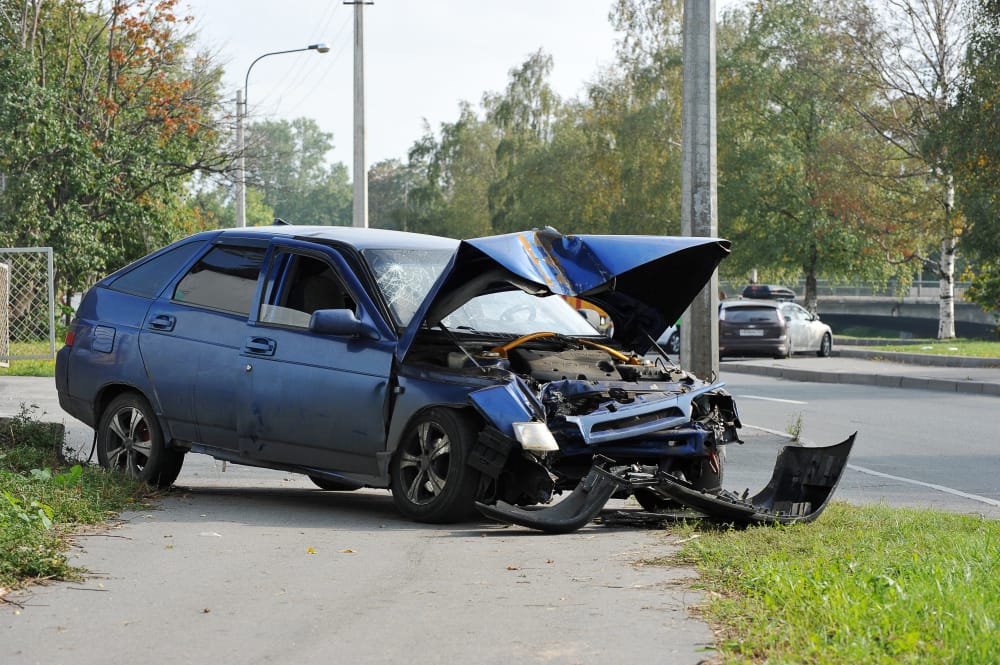
Front-end Damage: Often means that car was following too closely or didn’t brake in time, suggesting the driver of the car with front-end damage is at fault.
Rear-end Damage: Usually means the car was hit from behind. In most cases, the driver who rear-ended the other vehicle is considered at fault for not leaving enough space or braking in time.
Side Damage: Trickier to determine. If one car was changing lanes or ran a stop sign, they might be responsible for the side collision.
Multiple Points of Impact: Can indicate a more complicated accident where both drivers made mistakes.
Witness Statements and Evidence: Statements from witnesses and evidence like skid marks or traffic camera footage also help determine fault. An experienced Chicago accident attorney can analyze this evidence to build a strong case and help you pursue fair compensation.
Factors Influencing Fault Determination
Traffic Laws: Running a red light or failing to yield are common markers of fault.
Right of Way: If one driver had the right of way but the other didn’t yield, the one who didn’t yield is usually at fault.
Speed: Speeding leaves less time to react to hazards, which can shift fault toward the speeding driver.
Weather Conditions: Poor visibility and slippery roads from rain or snow can affect how fault gets assessed.
Driver Behavior: Aggressive driving, distracted driving, or driving under the influence all affect fault.
Road Conditions: Potholes, construction, or other hazards can contribute to an accident and affect fault.
Vehicle Maintenance: Mechanical issues, like faulty brakes, that contributed to the crash can impact fault determination.
Comparative Negligence: Sometimes both drivers share fault. Illinois uses modified comparative negligence, so if one driver was speeding but the other ran a stop sign, fault (and compensation) gets divided by percentage between them.

Legal Implications of Damage Location
The damage location can have real legal implications: front-end damage might suggest inattention or following too closely, potentially making that driver legally liable, while rear-end damage often points to the trailing driver not stopping in time. That said, damage location is a starting point for the investigation, not a substitute for it.
Steps to Take After a Car Accident
Check for injuries and call emergency services if anyone is hurt. Move your vehicle to a safe location if possible. Exchange contact and insurance information with the other driver(s). Document the scene with photos of vehicle damage and road conditions. Notify the police, especially if there are injuries or significant damage, and get an official report. Seek medical attention even if you don’t feel injured, since some injuries aren’t immediately apparent. Notify your own insurance company promptly. Avoid admitting fault at the scene, let the authorities and insurers determine it from the evidence. Keep records of all medical treatment and expenses, and consider legal advice if you’re unsure of your rights.
Injured In a Car Accident? Contact Us Today
If you’ve been injured in a car accident in Chicago and need help determining who is at fault, contact our experienced car accident attorney today. We’re here to fight for your rights and ensure you receive the compensation you deserve. Call us now at (312) 346-4262 for a free consultation.
Frequently Asked Questions
Is the location of vehicle damage enough to prove fault on its own?
No. Damage location is a useful starting clue, rear-end damage usually points to the trailing driver, for example, but insurers and courts also weigh traffic law violations, witness statements, skid marks, and camera footage before assigning fault.
What if both cars have damage in multiple places?
That often signals a more complex crash where both drivers may share some fault. Illinois’ comparative negligence rule divides compensation by each driver’s percentage of fault rather than assigning it entirely to one side.
Also Read:
What Lawyer Deals With Car Accidents?