

Last updated: August 2026
If you’ve been in a car accident and you think you might be at fault, or the other driver is claiming you are, there are still things you can do to protect yourself and make sure the outcome is fair. Being considered “at fault” isn’t the end of the story: Illinois uses modified comparative negligence, meaning fault is often split by percentage between drivers, and how the situation is handled in the minutes and days after the crash can significantly affect that outcome.
Don’t Admit Fault at the Scene
Even if you believe the accident was your fault, avoid saying so at the scene, to the other driver, to bystanders, or in a recorded statement before you’ve had a chance to think it through. This isn’t about being dishonest. Fault in a car accident is a legal and factual determination made from evidence, traffic law, and often a percentage split, not a snap judgment made under stress right after a collision. A reflexive “I’m sorry” or “I didn’t see you” said in the moment can get repeated back by an insurance adjuster as an admission, even when the full picture, once the evidence is reviewed, tells a more complicated story.
Stick to the facts with police and insurers: what you saw, what you did, and what happened, without volunteering a legal conclusion about who was at fault. That determination is for the police report, the insurance companies’ investigation, and if necessary, a court, to sort out.
Document Everything
Strong documentation protects you regardless of how fault eventually gets divided.
Take clear photos of the accident scene, vehicle positions, damage to all vehicles involved, road conditions, and any relevant signs or signals.
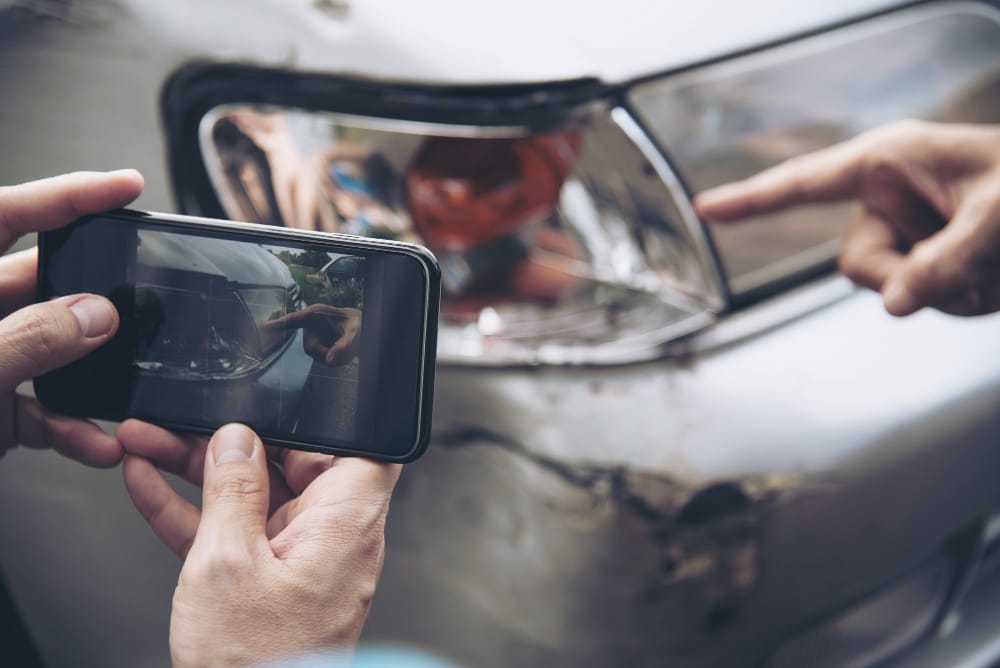
Get witness information. Independent witness accounts add perspectives that don’t depend on either driver’s memory, and can support a more accurate fault determination than either side’s word alone.
Get a police report. An officer’s report is a neutral, contemporaneous record of the accident. Cooperate fully and answer questions truthfully, but again, let the report reflect the facts rather than a fault conclusion you volunteer on the spot.
Notify your insurance company promptly, even if you believe you caused the accident. Your insurer needs the facts to start the claims process, and delaying notification can complicate coverage.
The Claims Process
Once reported, your insurance company will assess damages, review the evidence, and help determine liability, often in coordination with the other driver’s insurer. Being informed about this process, and providing accurate, consistent statements throughout it, helps keep things moving fairly. If shared fault applies, Illinois’ comparative negligence rule means your own compensation (if you were also injured) gets reduced by your percentage of fault, rather than eliminated outright, unless you’re found more than 50% at fault.
When You Need an Attorney
Consider talking to a lawyer if the other driver or their insurer disputes the facts, if injuries are serious enough that the fault percentage will meaningfully affect your own claim, or if you’re simply unsure how to handle the process. An attorney can review the evidence, communicate with insurers on your behalf, and make sure you’re not accepting more blame, or less compensation, than the facts actually support.
If you made a mistake in a car accident, you don’t have to figure everything out by yourself. Contact Phillips Law Offices for guidance. Call us now at (312) 346-4262 for a free consultation on your case.
Frequently Asked Questions
Should I admit fault at the scene of an accident?
No. Even if you think the accident was your fault, avoid saying so to the other driver, witnesses, or in a recorded statement. Stick to the facts with police and your insurer, and let the evidence and investigation determine fault, which is often split by percentage under Illinois law rather than assigned entirely to one driver.
If I’m partly at fault, can I still recover compensation for my own injuries?
Often yes. Illinois follows modified comparative negligence: you can still recover compensation as long as you’re not found more than 50% at fault, though your award gets reduced by your percentage of fault.
Also Read:
How to Win a Left Turn Accident
What Happens If an Excluded Driver Gets in an Accident?
Questions about your legal options? Our Chicago car accident attorneys team offers free consultations and takes no fee unless we win.