
Last updated: August 2026
Accidents happen every day, and some are more dangerous and costly than others. This kind of accident isn’t just about the immediate impact; it’s about the aftermath that can stretch out in terms of human lives, financial burdens, and lasting effects on the people involved.
What Is the Most Dangerous Type of Car Accident?
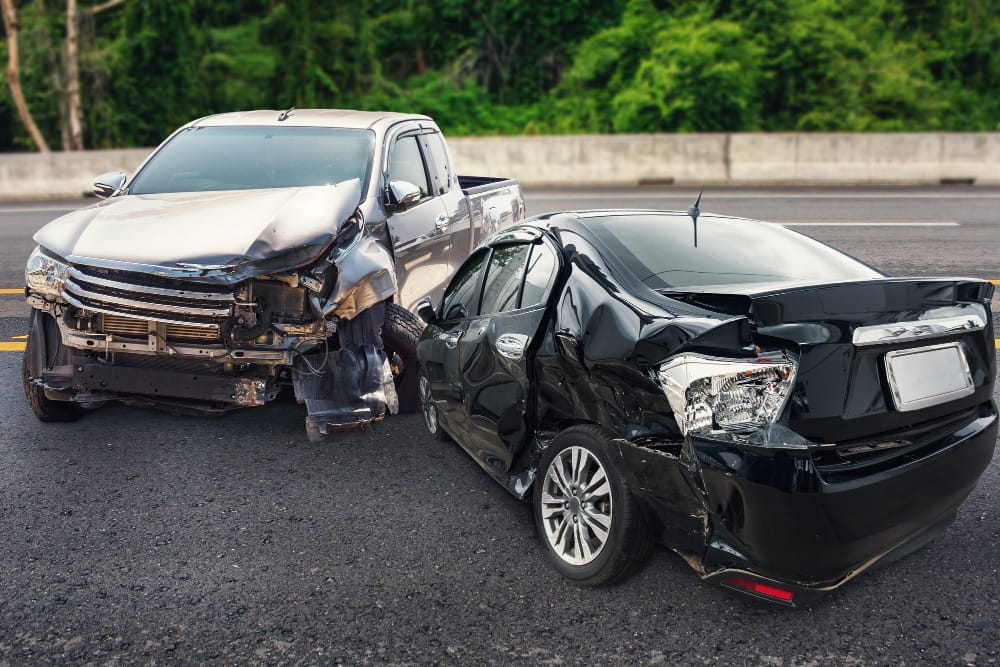
Statistics and studies conducted by organizations like NHTSA consistently point to the head-on collision as the most dangerous type of crash. In a head-on collision, the front ends of two vehicles collide directly while moving in opposite directions. Both vehicles’ occupants absorb the full deceleration force of the crash simultaneously, with no secondary space to bleed off speed, which is why head-on collisions carry a disproportionately high rate of severe injury and death relative to how often they actually occur.
Here are the collision types generally considered most dangerous:
- Head-on Collisions: The front ends of two vehicles collide directly. Both vehicles’ kinetic energy has to be absorbed at once, which can lead to severe injuries and fatalities.
- T-bone or Side-Impact Collisions: The front of one vehicle strikes the side of another, forming a “T” shape. These T-bone collisions can be especially dangerous when the impact lands on the driver or passenger side, where there’s less structure to absorb the force.
- Rear-end Collisions: One vehicle crashes into the back of another. These are less severe on average, but high-speed rear-end collisions can still cause serious whiplash and other injuries.
- Roll-over Accidents: A vehicle tips over onto its side or roof, often resulting in serious injuries, with occupants at heightened risk of ejection.
- Multi-vehicle Pileups: Several vehicles collide in a chain reaction, particularly dangerous on highways where high speeds compound the number of people involved.
- Pedestrian or Cyclist Collisions: Accidents involving pedestrians or cyclists and motor vehicles are highly dangerous simply because the person outside the vehicle has no structure protecting them at all.
- Single-Vehicle Crashes: Even a crash involving only one vehicle can be dangerous, especially when the vehicle strikes a fixed object like a tree or utility pole.
Why Are Car Accidents So Costly?
Car accidents get expensive for reasons that go beyond just the tow truck and the body shop:
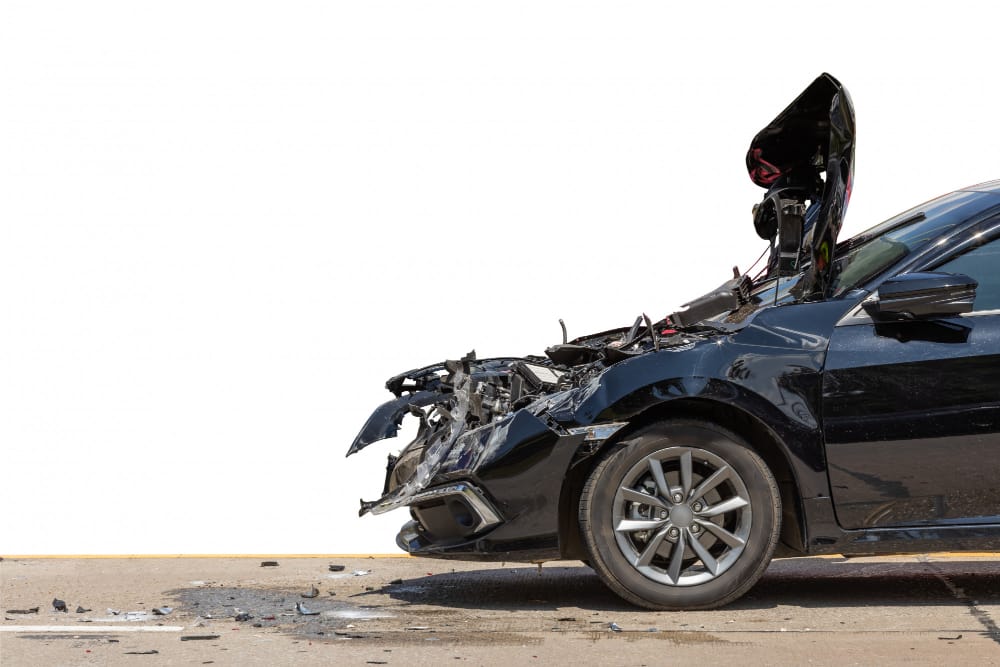
- Property Damage: Repairing or replacing damaged vehicles, and any structures or property hit in the process, adds up fast.
- Medical Expenses: Emergency room visits, surgeries, rehabilitation, and ongoing care are usually the single largest cost driver in a serious accident.
- Legal Fees: If the accident leads to a lawsuit, attorney fees and court costs add to the total.
- Insurance Costs: Premiums often rise after an accident, and policyholders typically owe a deductible before coverage kicks in at all.
- Lost Wages and Productivity: Missed work from injury recovery adds a real financial hit on top of medical bills.
- Emergency Services: Paramedics, firefighters, and police response all carry a cost, especially for accidents requiring extensive resources.
- Long-Term Care and Rehabilitation: Severe injuries can require ongoing treatment for months or years, extending the financial impact well past the accident itself.
What Should I Do If I’m in a Car Accident?
If you’re in a car accident in Chicago, staying calm and following a few key steps protects both your health and your claim:
1. Check for Injuries: Check yourself and others for injuries. If anyone is hurt, call 911 and tell them your location and what happened.
2. Move to a Safe Place: If your car is drivable, move it to the side of the road or a safe spot, and turn on your hazard lights.
3. Exchange Information: Share your name, phone number, and insurance information with the other driver, and get theirs in return.
4. Call the Police: Even for a minor-seeming accident, a police report can matter later for your insurance claim.
5. Take Photos: Photograph the damage to both vehicles, the road, and any relevant signs, since these can support an insurance claim or legal case.
6. Don’t Admit Fault: Even if you think it was your fault, leave that determination to the police and insurance companies, not the accident scene.
7. Get Witness Information: If anyone saw the accident, get their name and contact information in case questions come up later.
8. Seek Medical Attention: Some injuries don’t show symptoms right away. See a doctor even if you feel okay, and get anything that develops later checked out promptly.
9. Consult a Car Accident Attorney: If insurance is giving you trouble or you’re unsure of your rights, talk to an attorney before accepting any settlement offer.
Where Do Most Accidents Happen?
Most accidents cluster in places with a lot of activity or where drivers need extra caution: intersections, parking lots, busy city streets, and highways where high speeds amplify the consequences of a mistake. Construction zones, areas near schools, and stretches of road with curves or blind corners see disproportionate numbers of crashes too. Staying alert and following posted rules in these spots goes a long way toward avoiding a collision in the first place.
Talk To Our Car Accident Attorney Today
Involved in a car accident in Chicago? Contact our Illinois car accident law firm today for a free consultation. Let us help you get the support and compensation you deserve.
Frequently Asked Questions
Why are head-on collisions considered the most dangerous crash type?
Because both vehicles’ momentum has to cancel out in a single, instantaneous impact, unlike a rear-end or side crash, where one vehicle’s energy is partly absorbed by the other moving out of the way. Crash tests on two identical vehicles colliding head-on at the same speed show damage roughly comparable to each vehicle hitting a fixed barrier at that same speed, not double it, but the occupants of both vehicles take that full force at once, which is what makes head-on crashes so often fatal.
What’s typically the single biggest cost after a serious car accident?
Medical expenses, usually by a wide margin once surgery, hospitalization, or ongoing rehabilitation is involved. That’s part of why full and fair compensation needs to account for future care costs, not just the bills already in hand.
Also Read: