
Last updated: August 2026
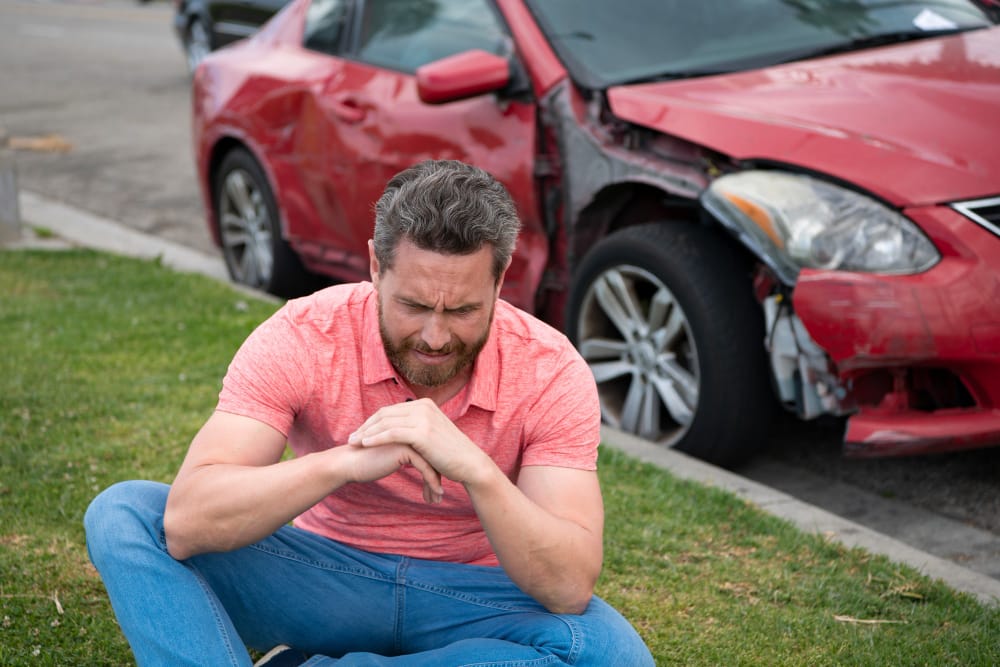
When you get into a car accident, sometimes you can get hurt even if you don’t see any cuts or bruises on your skin. One common injury is called a hematoma. A hematoma is when blood collects and clots under your skin, making a big, swollen bruise. It can be painful and might take some time to heal.
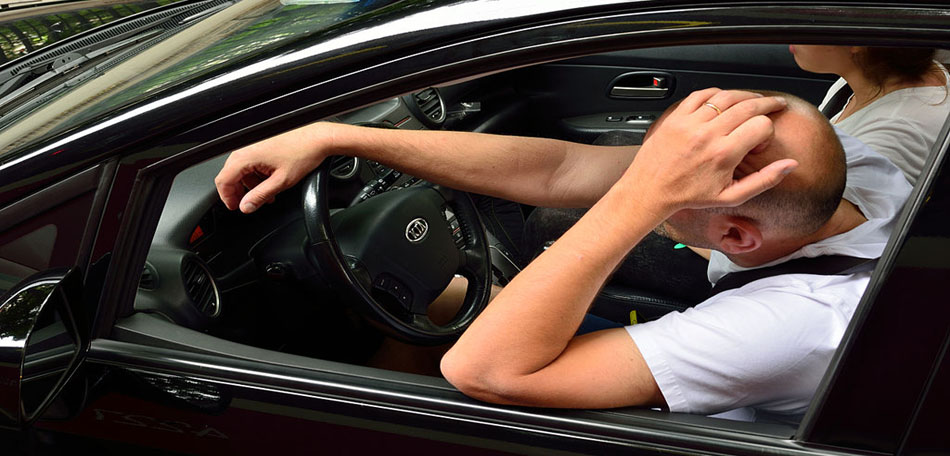
Sometimes, after a car accident, people can get a hematoma inside their brain. This is called a brain hematoma. It’s very serious because it can put pressure on the brain and cause problems. If someone hits their head in an accident and feels dizzy, has a bad headache, or has trouble thinking clearly, they should see a doctor right away.
Suffered a hematoma injury in a car accident? Contact us today for expert legal guidance and support to secure the compensation you deserve.
Understanding Hematoma
A hematoma is when blood collects and clots outside of blood vessels, usually under the skin. It happens when there’s an injury or trauma to the body, like in a car accident. Think of it like a big, swollen bruise. It can be painful and make the skin look purple and blue.
Types of Hematomas
Hematomas can happen in different places on your body:
- Subdural Hematoma: Blood collects between the brain and its outer layer, called the dura. Serious, especially from a head injury.
- Subungual Hematoma: Happens under a fingernail or toenail when you injure your finger or toe. Can make the nail look dark and painful.
- Intracranial Hematoma: A serious type inside the skull, usually from a head injury. Can put pressure on the brain and cause problems.
- Subcutaneous Hematoma: Blood collects under the skin. Can happen anywhere on the body where you’ve been injured.
Causes and Risk Factors
The force of a car accident can damage blood vessels under the skin. When they break, blood collects and clots, causing a hematoma. Some people are more at risk than others:
- Age: Older adults and young children are more likely to get hematomas, since their bodies are more fragile.
- Health Conditions: Blood clotting disorders or high blood pressure can make it harder for the body to stop bleeding and heal properly.
- Severity of the Accident: A more severe accident means more force, and a higher likelihood of blood vessels breaking.
Recognizing Symptoms
Watch for pain and swelling, discoloration (purple, blue, or black skin), restricted movement in the affected area, and tenderness. If you’ve been in a car accident and notice any of these symptoms, see a doctor, even if the injury seems minor. A hematoma can be serious, especially in a sensitive area like the head.
Diagnosis
A doctor will start with a physical examination, checking for swelling, tenderness, and other signs. To confirm the diagnosis and gauge severity, they may order imaging: X-rays (to check for broken bones nearby), CT scans (detailed images showing size and location), or MRI scans (showing the extent of the hematoma and any damage to nearby tissue).
Treatment Options
Most hematomas are treated without surgery: rest, ice, compression, and elevation (R.I.C.E.) reduce pain and swelling, and over-the-counter pain relievers like ibuprofen or acetaminophen help manage discomfort. In some cases, medical intervention is needed, a doctor may drain a large, painful hematoma with a needle, and in rare cases, surgery is required to remove the clot and stop any bleeding.
Complications
Infection: if bacteria get into the hematoma, signs include increased pain, redness, warmth, and pus draining from the area; infections need antibiotic treatment.
Recurrence: if the hematoma isn’t fully drained or there’s still bleeding, it can come back and need further drainage or surgery.
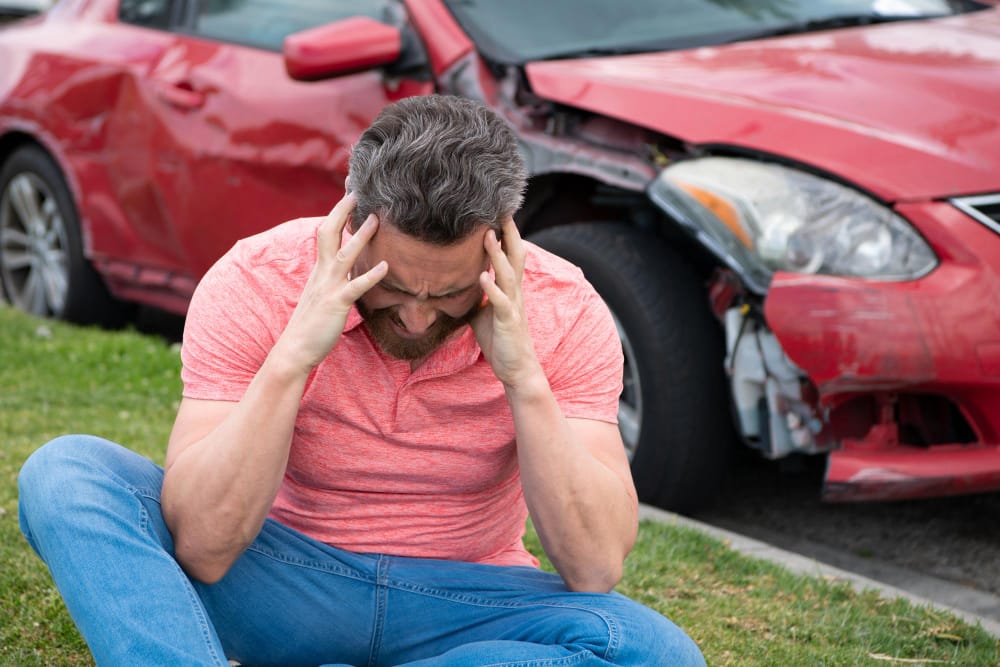
Nerve Damage: pressure on nearby nerves can cause numbness, tingling, weakness, or even paralysis, sometimes permanent, which is why prompt treatment matters.
Recovery and Rehabilitation
Healing time depends on the size and severity of the hematoma. As the body absorbs the blood, swelling and pain gradually subside. A doctor might recommend rehabilitation: physical therapy to rebuild strength, flexibility, and coordination, or occupational therapy if the hematoma affects everyday tasks like dressing or cooking.
Preventing Hematoma After a Car Accident
Always wear your seatbelt, it keeps you from hitting hard surfaces inside the car during a crash. Make sure your car’s airbags are working properly, since they cushion impact and reduce injury risk. If you have children, make sure they’re properly secured in child safety seats installed per the manufacturer’s instructions.
Suffered a Hematoma Injury In a Car Accident? Contact Us Today!
If you’ve suffered a hematoma injury in a car accident, don’t wait to get the help you deserve. Contact our experienced Illinois car injury lawyer at Phillips Law Offices in Chicago today. Call us now at (312) 346-4262.
Frequently Asked Questions
What is the difference between a hematoma and a bruise?
A hematoma is a bigger collection of blood under the skin compared to a bruise. While a bruise is usually small and fades away on its own, a hematoma can be larger, more painful, and may require medical treatment.
How long does it take for a hematoma to heal?
It can take a few days to a few weeks, depending on its size and severity. Rest, ice, and elevation can help speed up the healing process, but a hematoma near the head or a large one anywhere on the body should always be evaluated by a doctor.
Also Read: