
Last updated: July 2026
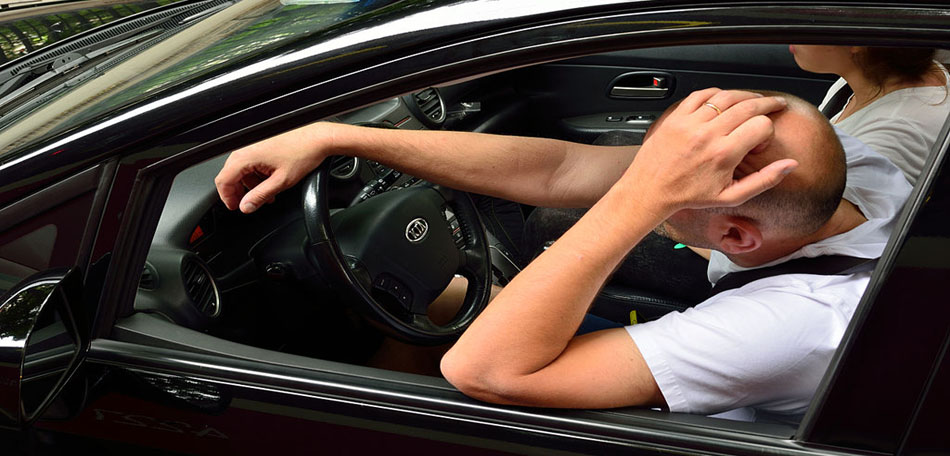
A car accident can injure anyone in or near it. Drivers face whiplash, internal organ damage, head trauma, spinal cord injuries, and broken bones. Passengers and pedestrians can suffer the same range, from minor to life-threatening. Here’s what to actually do next.
Prioritize Safety
Call 911 if anyone’s hurt. Follow your medical providers’ instructions once you’re being treated.
Get checked out even if you feel fine and see no visible wounds. Whiplash, bruising, and nerve damage don’t always announce themselves right away, and untreated, they get worse.
Contact the Authorities
Stay at the scene until police arrive; leaving can create legal exposure of its own. If your car is blocking traffic and still drivable, move it aside first. Skip the argument with the other driver. Let the police document the scene and get a copy of their report for your own records.
Document the Scene
Photograph everything: all vehicles involved, visible injuries, license plates, road conditions, debris, skid marks. Wide shots and close-ups both matter. Check nearby buildings for security cameras that may have caught the crash.
Exchange Information
Get names, phone numbers, addresses, and insurance details from everyone involved. If witnesses stopped, get their contact information too; their account of what happened can matter more than you’d expect. Don’t admit fault or apologize at the scene, even if you think part of it was your doing. That statement can end up used against your claim later.
Notify Your Insurer, Carefully
Report the accident, but stick to the facts: that a crash happened and you have a claim. Don’t speculate about fault or describe what you were doing beforehand. Insurers use those details to shrink what they pay.
Follow Through on Treatment
Keep every record: prescriptions, diagnoses, treatment notes, and bills. Continue any recommended therapy or rehab, even for injuries that seem minor at first. Gaps in treatment give an adjuster an easy argument that you weren’t really hurt.
Get Your Vehicle Repaired
Minor damage might just need bodywork. Severe crashes can mean engine, suspension, or safety-system repairs, including replacing deployed airbags. Use a reputable shop, and keep the repair invoice; if the other driver was at fault, their insurer owes you for it.
What if the Other Driver Has No Insurance?
This happens more often than people expect. If the at-fault driver is uninsured or underinsured, your own uninsured motorist coverage may be your real path to recovery.
Why Talk to an Attorney
An attorney investigates the crash, gathers evidence, and calculates what your case is actually worth, medical costs, lost wages, pain and suffering, and any permanent impact. They also handle the insurance company directly, which matters: insurers negotiate claims for a living, and most people don’t.
Illinois also follows comparative negligence. You can still recover even if you were partially at fault, as long as your share is 50% or less.
Frequently Asked Questions
Should I get medical attention even if I feel fine after a crash?
Yes. Whiplash, internal injuries, and nerve damage often don’t show symptoms right away, and delaying treatment gives the insurance company grounds to argue you weren’t seriously hurt.
Should I admit fault to the other driver or my own insurer?
No. Stick to the facts. Statements about fault, even casual ones, can be used to reduce or deny your claim later.
What if the driver who hit me doesn’t have insurance?
Your own uninsured/underinsured motorist coverage, required on every Illinois auto policy, may cover the gap.
Can I still recover compensation if I was partially at fault?
Yes, as long as you’re 50% or less at fault under Illinois’ comparative negligence rule. Your award is reduced by your percentage of fault.
Talk to a Chicago Car Accident Attorney
The Illinois personal injury law firm of Phillips Law Offices has a recognized reputation as having aggressive, skilled, and determined representatives and advocates for injured individuals and their families. Our Chicago car accident attorneys handle cases on a contingency basis; no upfront fee, nothing owed unless we win. Contact us at (312) 346-4262 for a free consultation.
Read More:
Auto Collision Repair Shops in Chicago
What Evidence Is Needed to Support My Personal Injury Case?
What If the Other Driver Who Caused My Car Accident Doesn’t Have Insurance?